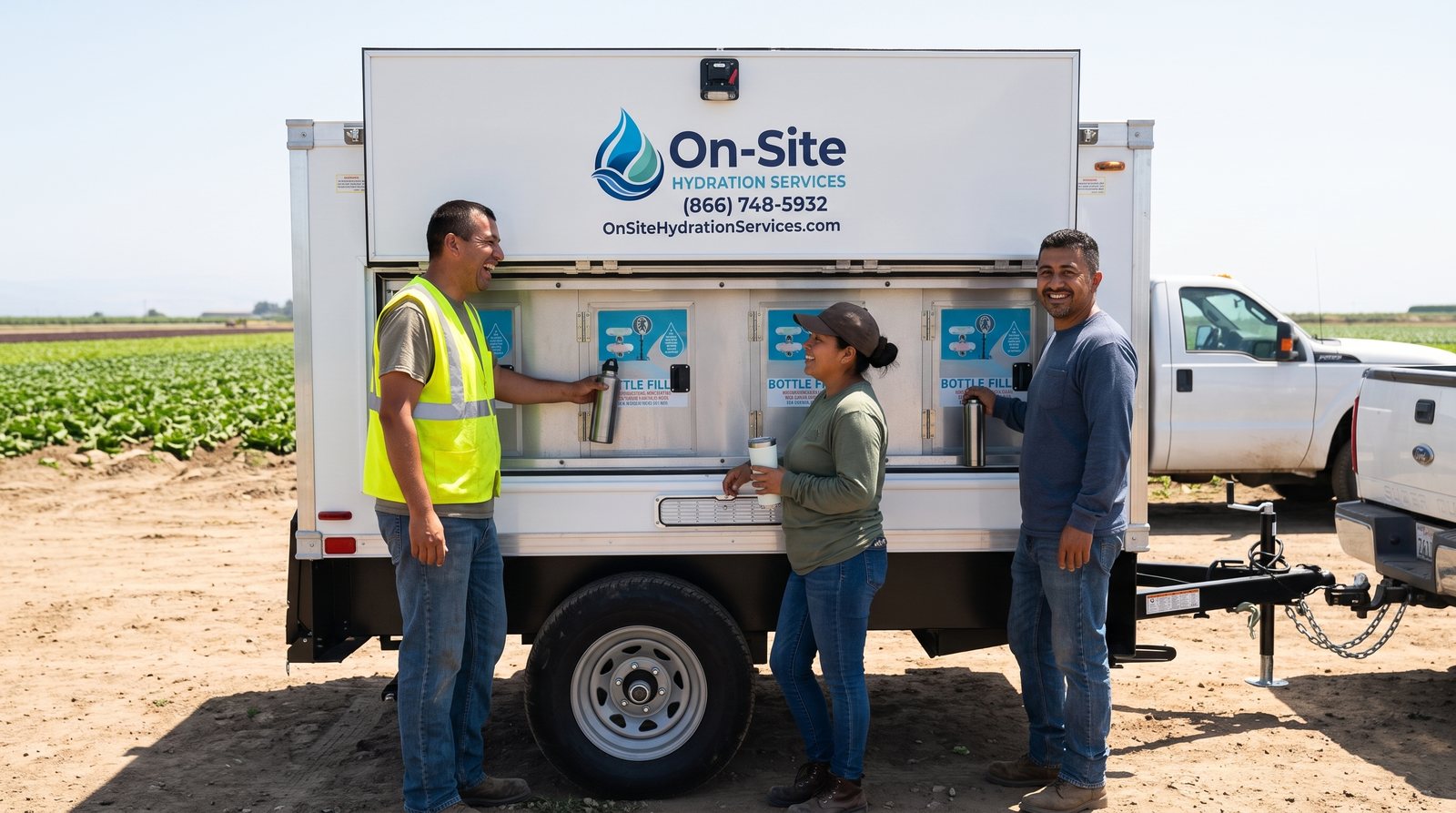
On-Site Hydration Services is South Jordan’s top rated, five-star rated team for portable drinking water station rentals, with filtered cold water ready for job sites, school builds, race days, utility work, events and more. Call now, or request a free quote and we will help you pick the right station and the right spot. Most quotes take under a minute to start.
Over 12,000 completed deliveries and counting · A+ BBB rated, licensed and insured · Serving Daybreak events, ballpark district builds and job sites across southwest Salt Lake County
Free quote with no obligation to book. One call books delivery, setup and service.
See the Signature Series water station specs for South Jordan
Where a water station sits decides whether people actually use it. It belongs out of the mud, out of the forklift lane and close enough to the work that nobody skips a refill, and experience is knowing that before the truck arrives. After years of placing stations on job sites, school grounds and event lots around the Salt Lake Valley, our team points the spout at dry gravel, routes drain water away from the equipment path and leaves room for a driver to swing in and back out. Phone the yard or ask for a quote online, and our team will walk the site with you for free. One call also covers your other water station rentals across Salt Lake County in South Jordan.
One Signature trailer can pour for a weekend concert and be working a slab pour a couple of days later. Hiring one company for your events and a separate one for your worksites makes no sense. Either way, the planning, the delivery, and the refills are ours.
The onboard cooling unit keeps the tank genuinely cold all the way through a South Jordan afternoon, and that single detail carries the whole thing. Warm water is water people abandon, and midsummer is exactly when a crew or a crowd is drinking the most. Cold water gets finished, and finishing it is what keeps heat illness off the site.
Across South Jordan we answer every call 24/7 and do our best to deliver as quickly as possible, and we keep emergency runs going around the clock whenever a heat advisory or a power shutoff hits southwest Salt Lake County. The morning a foreman finds his 40-person crew stuck with one warm cooler, speed is the whole game.
We hold to one idea: water that people walk past goes to waste. Picture a long build lot near 10600 South where bottled cases bake beside the job trailer while the crew works at the far end of the site. Now picture a chilled station placed at that far end, then emptied twice before the shift ends. We have seen both, and the gap between them is what our service closes. We match the unit to your headcount or gate count, set refills to how much people really drink, and answer heat calls right away. In a South Jordan summer, one hot hour can change a whole day, whether the crowd is at a Daybreak sports field or the crew is working open ground.
A quote with the whole picture. Delivery, setup, service and pickup are all part of the quote, so the number you see is the number you plan around. If you want more detail on any line, our team will explain it on the phone.
“We put the station on the contractor side of the fence and nobody had to cross the pickup lane. The workers filled bottles all week and the trash cans stayed empty.”

“Cold water at the spout at 2 p.m. in July is a rare thing on a job. The refill visits showed up when they said they would.”

“Our 5K finish line had a line of people and the station kept it moving. Volunteers loved having a spot to refill too.”

The 4,100 acre master-planned community is the city’s busiest source of new construction and community events. Water stations support builders by day and festivals by night.

The Salt Lake Bees home games, concerts and new restaurant openings draw big crowds and big crews. Stations fit behind buildings where guests cannot see them.
Retail and office buildings along these corridors keep adding tenants. Tenant build-outs usually mean smaller crews and one station for the whole project.
Office development and trail events sit side by side here. Drain water needs extra care near the river, so we plan where it goes.
The regional park and the arena complex host weekend events with long hours and heavy foot traffic. Horse show days bring riders who want water close to the barns.
New homes and schools are going up toward the foothills. Open ground and long sightlines make stations easy to place and easy to find.
The data center wave has reached southwest Salt Lake County, and those jobs drink differently. Hundreds of trades spread over huge fenced pads, gates that stay busy around the clock, and safety programs that expect a documented cold-water point. We stage site-ready stations where the badge checks and the foot traffic actually are, and our trucks keep them full on a 24/7 cadence for as long as the build runs.
In South Jordan the Signature Series suits both a ballpark district build and a school field day, because the same unit that serves a crew through a long construction shift also serves a line of racers and their families.
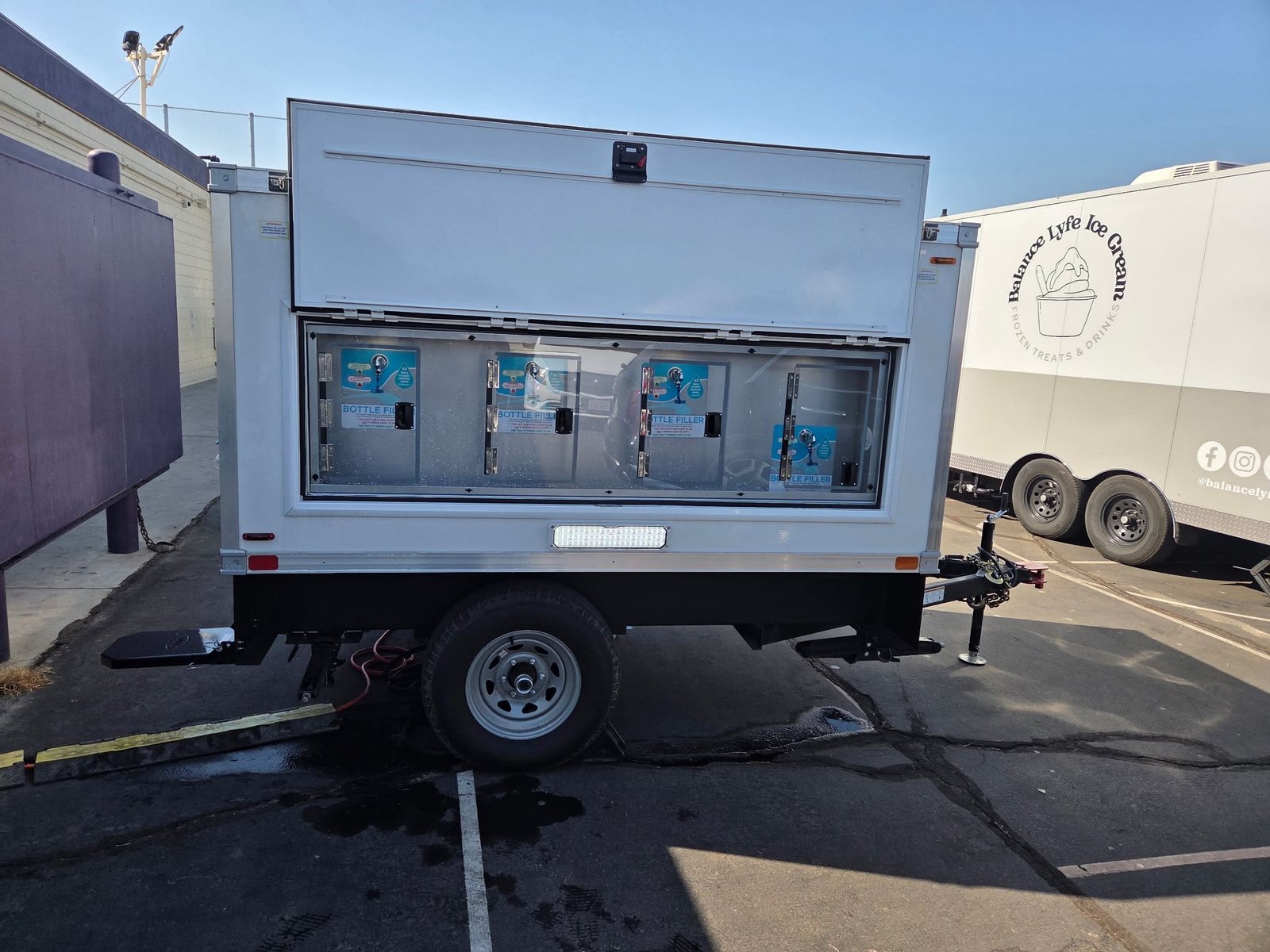
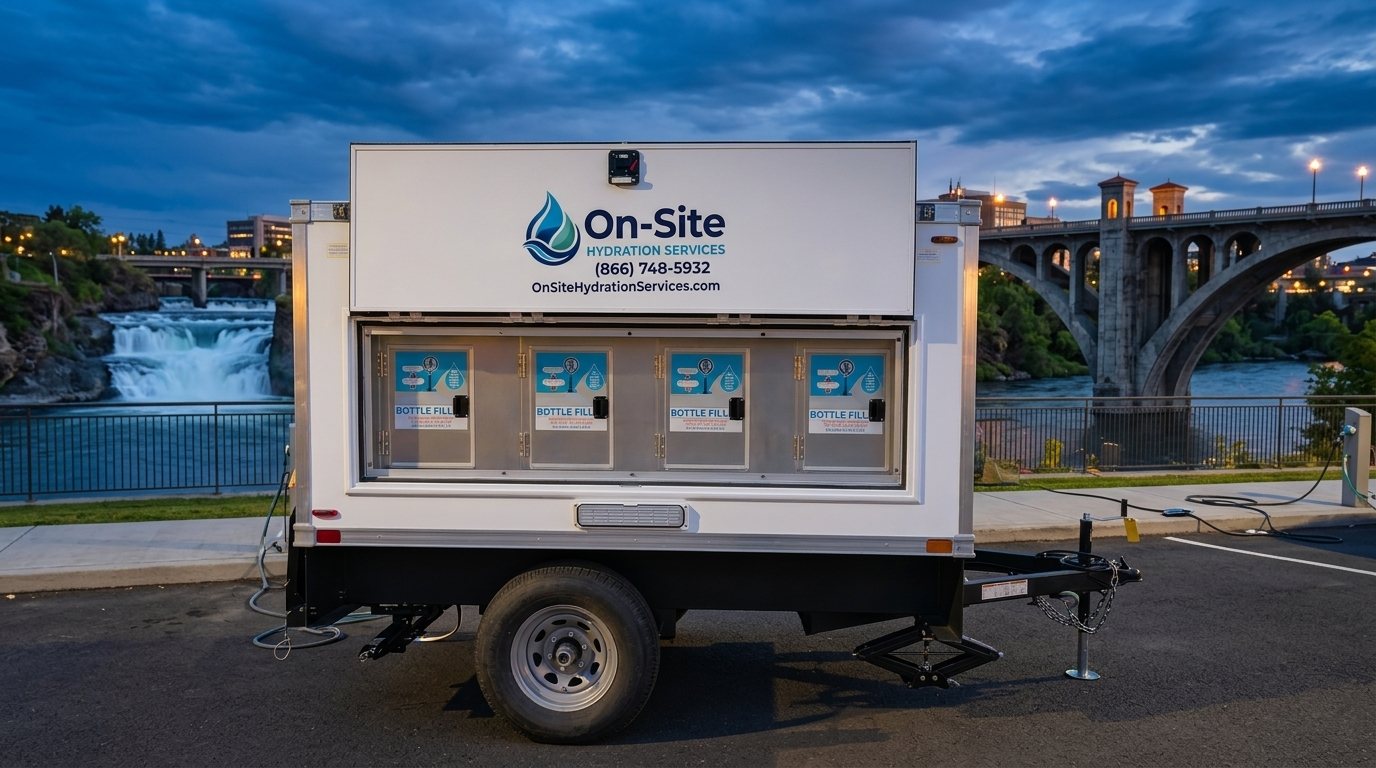
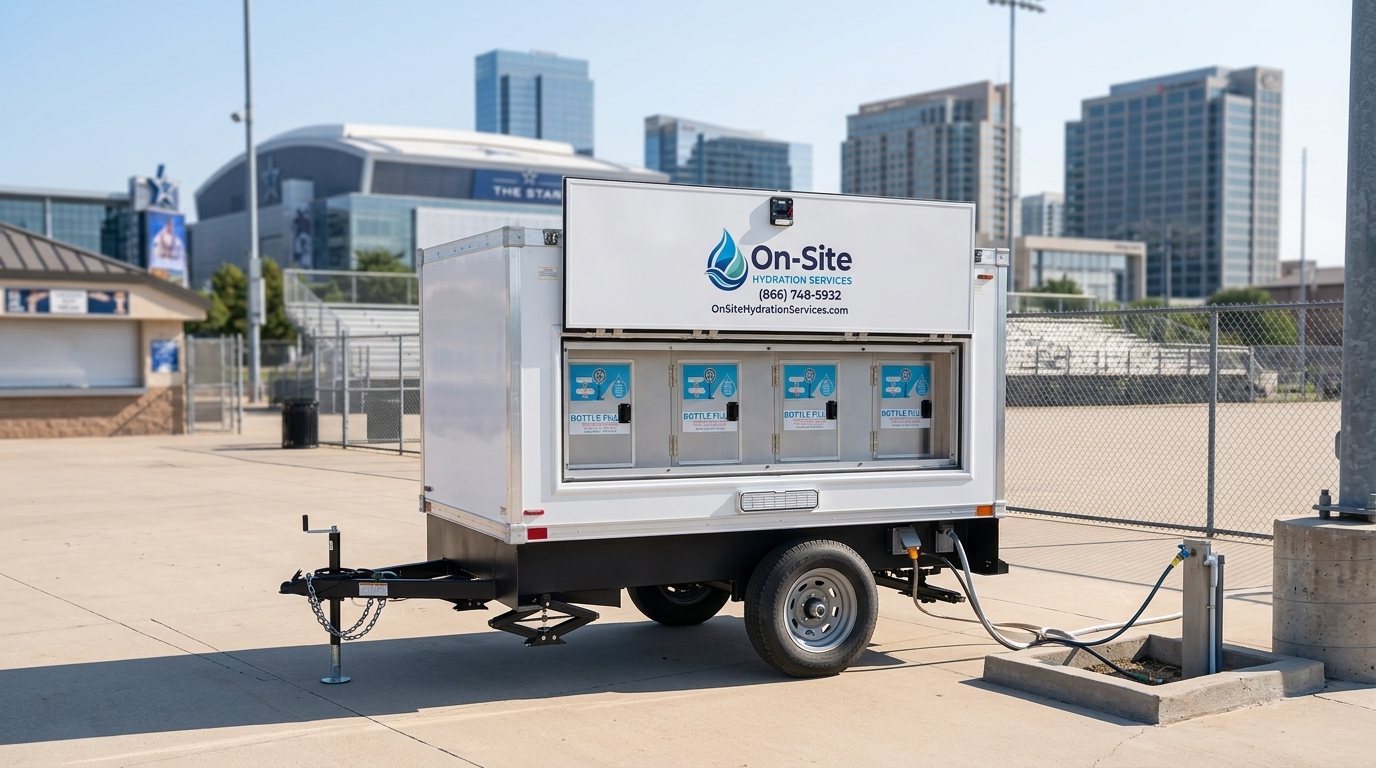
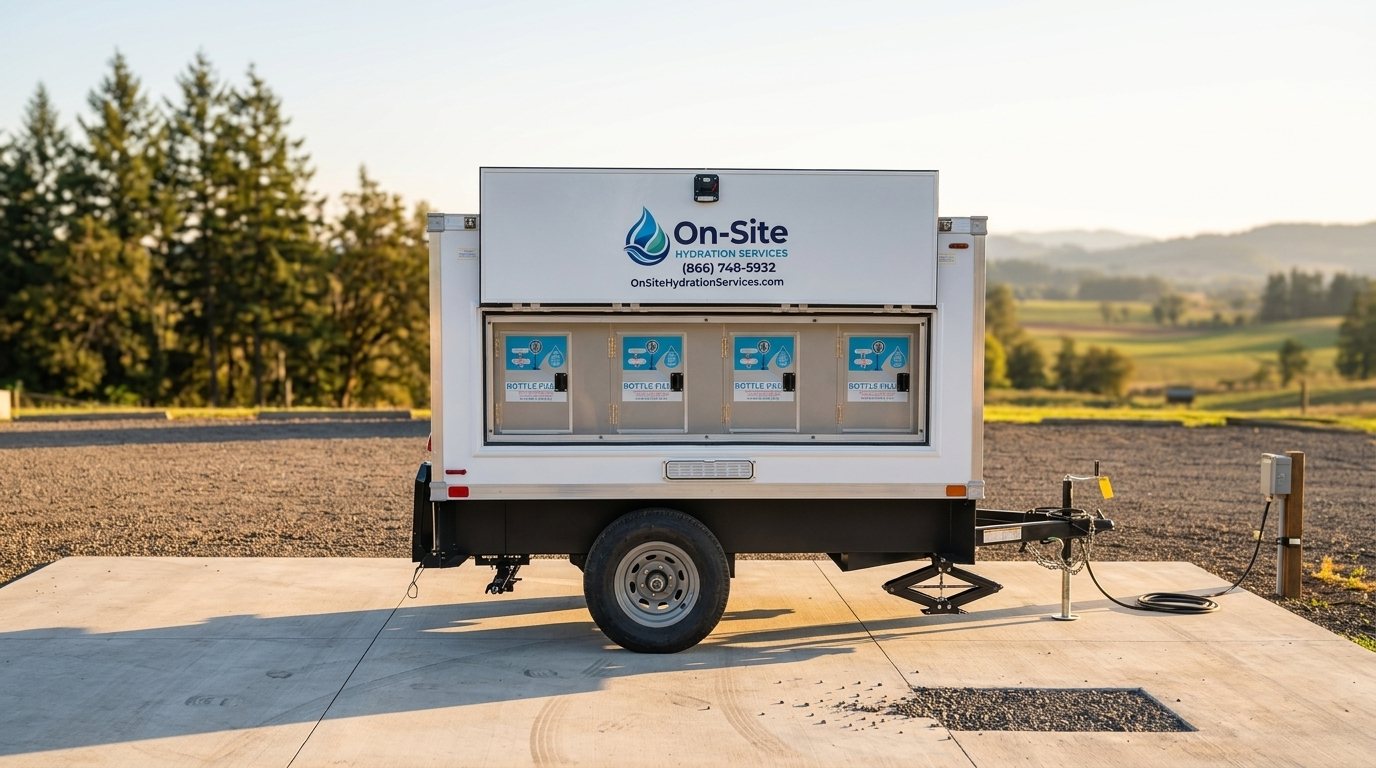
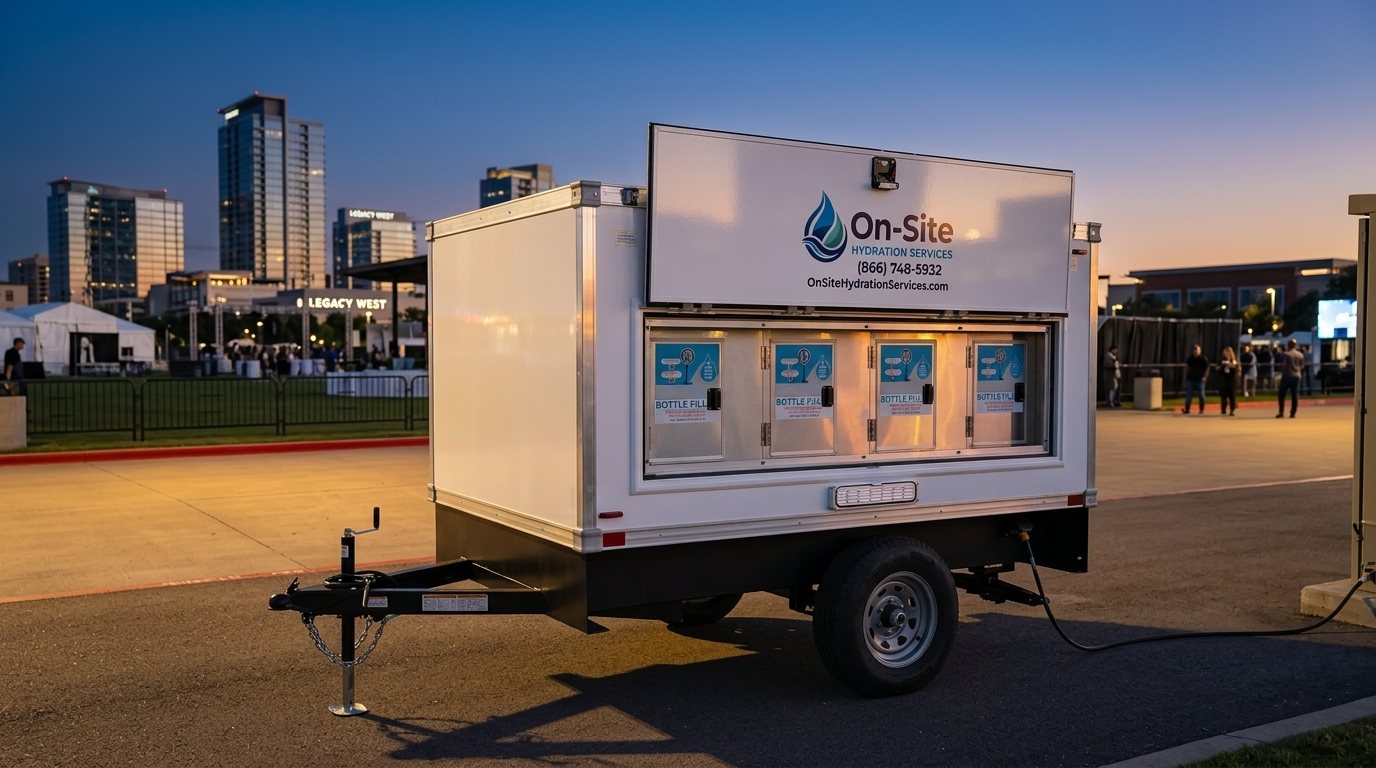
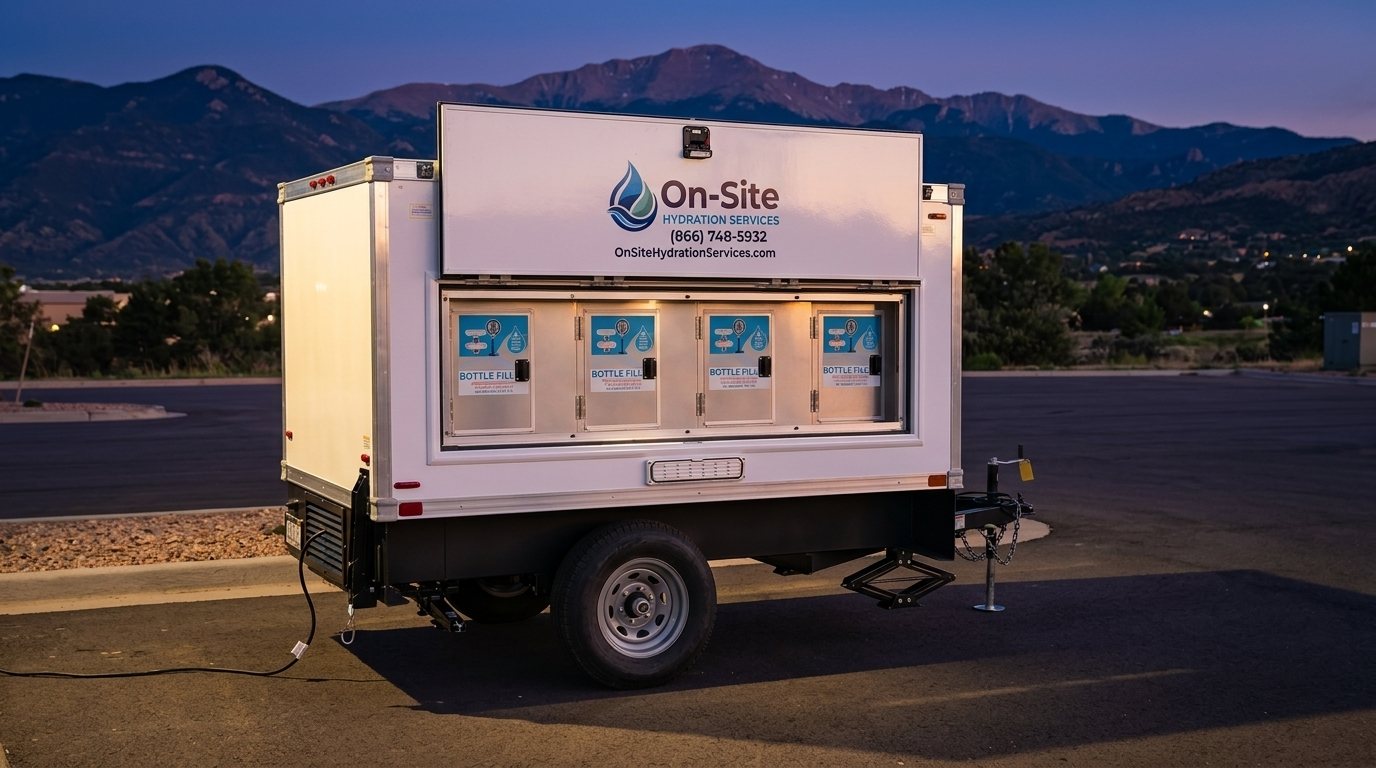
With a frame, a hitch, and tires under it, the unit hauls out to a remote build in southwest Salt Lake County, an event field, a working orchard, or a disaster staging yard with equal ease. South Jordan contractors and event planners request this exact rig by name. The whole design is built around backing in, leveling off, and pouring cold by the same afternoon.
| No. of stations | (4) Bottle Filling Stations |
| Length | 12′ 3″ |
| Weight | 3,100 lbs. |
| Height | 8′ |
| Fresh water tank | 300 Gallons |
| Power requirements | 1 to 4 dedicated 20A/120V circuits OR 1 dedicated 50A/240V circuit |
| No. of AC units | 1 |
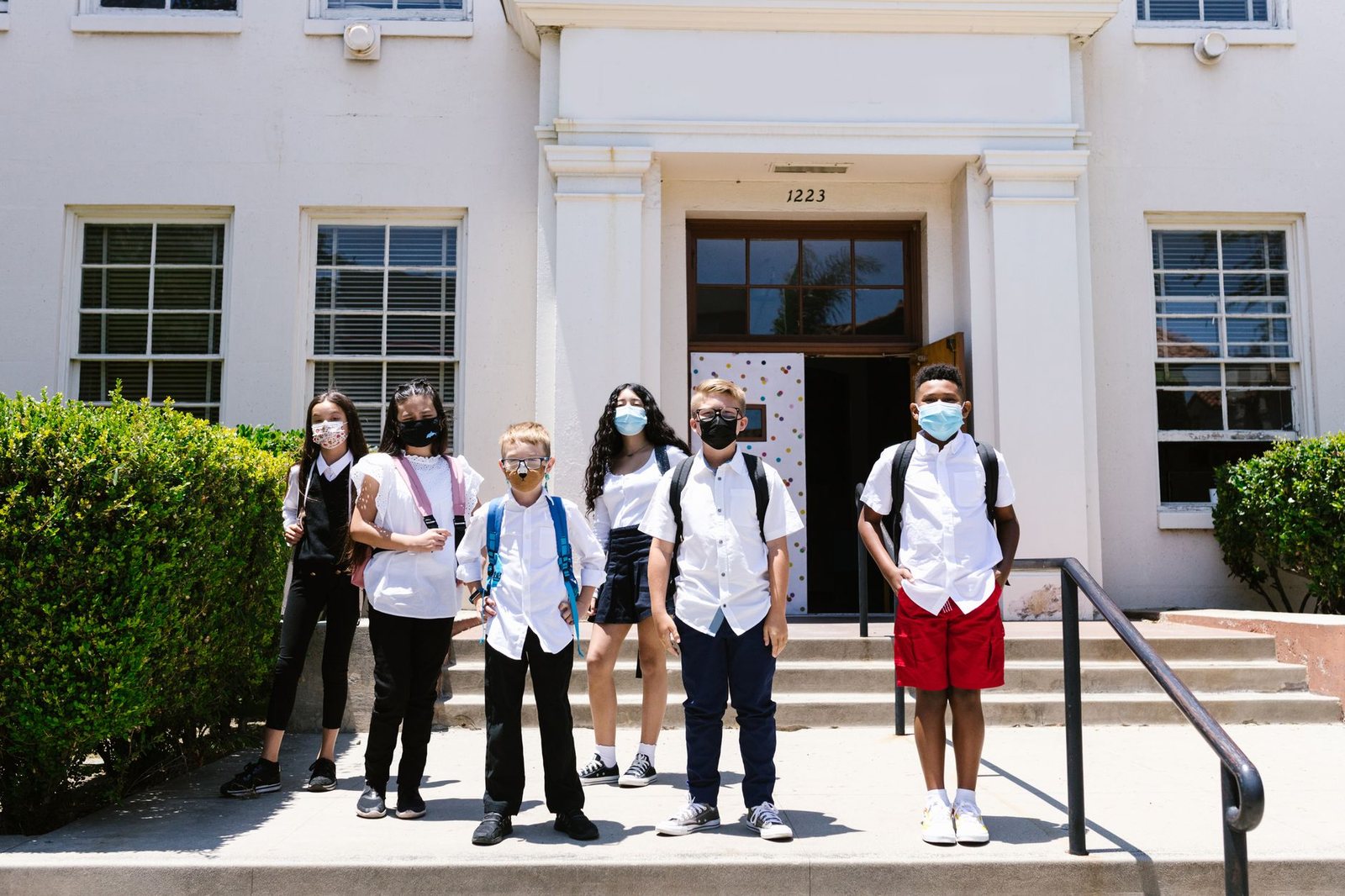
South Jordan is a family city, with a median age of 33 and an average of 3.09 people per household. More children means more classrooms, and Jordan School District projects tend to use the summer break, when the heat is at its worst and the building’s own water is often shut off for tie-ins.
A campus site has a problem most job sites do not: the fence between the work and the school grounds. We place the station on the contractor’s side, well away from drop-off lanes and bus loops, so workers get cold water without anyone crossing a safety line.
When the building is finished, the same units serve the school’s own events. Fun runs and field days need a lot of water in a short window, and the city’s SoJo race series, including the Turkey Run on November 21, shows how many people turn out for a good course.
A water bottle filling tap matters on a school job because it cuts down on paper cups and trash bins. An ADA height spout means every adult on the site can use the station.
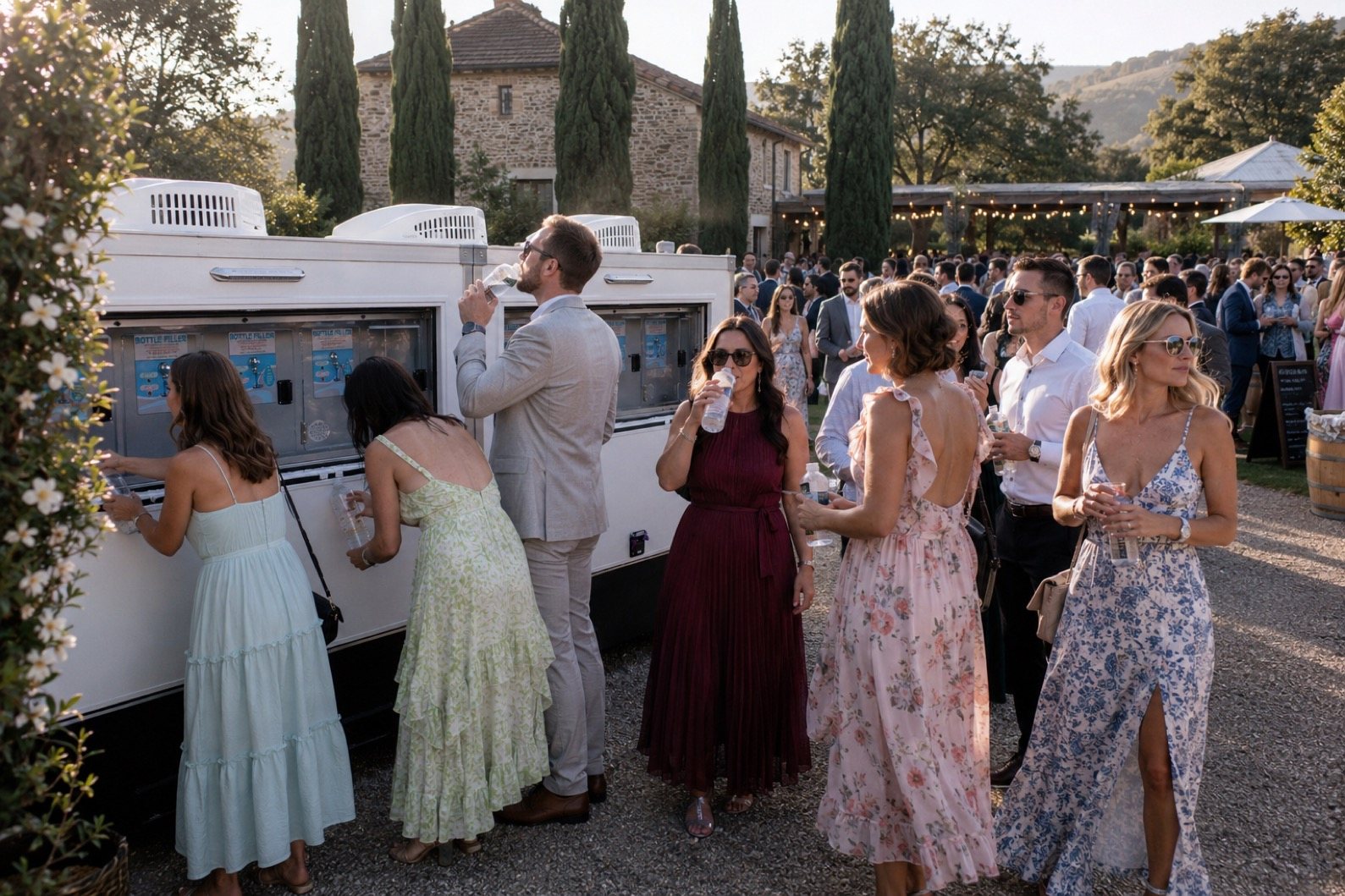
Six bottles per person on a 100-degree day in southwest Salt Lake County, a 38-person crew, and you’re already at roughly 228 plastic bottles to buy, cart in, ice down, and throw away. That’s one day. The season is where it gets ugly.
Multiply across a 175-day build and the tally clears 39,000 bottles, with the larger commercial jobs running far past that. A single trailer makes the entire pile disappear, leaving cold water at the tap and nothing for the dumpster.
Americans throw away roughly 60 million plastic bottles every day, and only about a third get recycled. The rest can sit in a landfill for centuries. Still, the builders we talk to in South Jordan rarely ask for sustainability slides; they want the daily hassle gone. With a shared trailer on a new subdivision lot, there is no standing bottle order, no warm coolers by the tailgate and no pile of empty bottles beside the job trailer. A superintendent has houses to frame and inspections to pass, and a water program should not be added to that list.
On a big pour day at a build near RiverPark, the crew can double in size, yet it never drinks faster than our refill plan allows. Our own potable tankers return and bring the level back up, so supply grows with the job.
Want this math run for your own South Jordan job? One short call gets you a real number.
Events like the Ginormous Pumpkin Regatta and the Dragon Boat Festival gather crowds along the shore. A station at the finish area gives volunteers and families a place to refill bottles.
The Salt Lake County Equestrian Park has hosted horse shows, dog shows and rodeo weekends, some running several days. Riders, handlers and vendors need water near the barns and the arena.
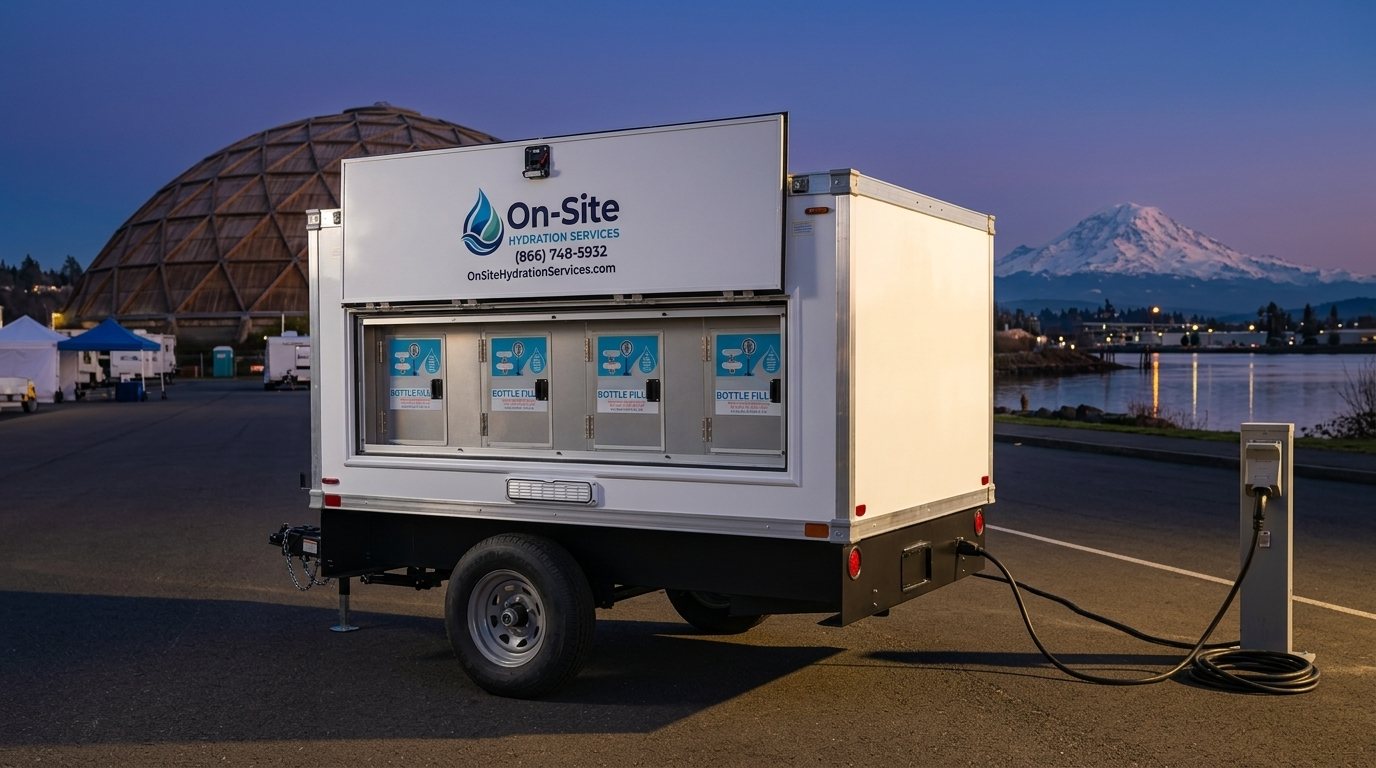
Summer concerts on the Rio Tinto Kennecott Stage are held on select Friday and Saturday nights. Gates open at 7:00 p.m., and warm evenings send the line straight to the water.
The Daybreak Farmers Market runs Saturdays through October. Vendors and shoppers in the sun appreciate a refill spot near the stalls.
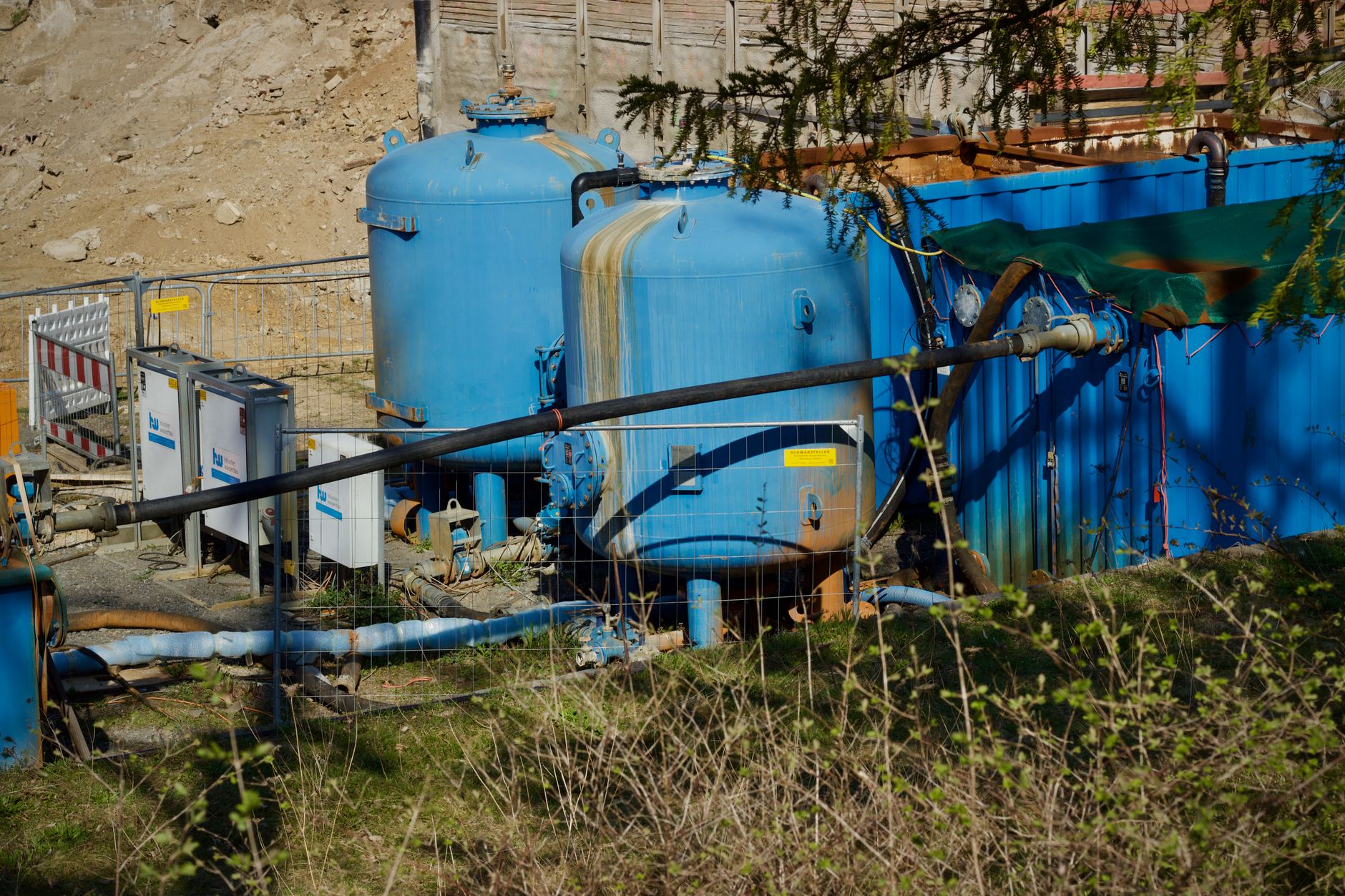
Water from the city mains never goes straight to the spout on our trailers. Three filter stages clean it first, a UV chamber follows, and a cooling unit on board chills what comes out. People get a clear, good tasting pour at a Daybreak sports field or a bare lot near 10600 South, even when July afternoons in this dry valley turn hot.
Water first meets a sediment filter that holds back sand, scale and fine grit from the mains. New home lots in Daybreak stay dusty all summer, and this stage protects both the taste and every filter behind it.
Next, activated carbon cuts the chlorine taste and the seasonal off flavors that tap water can pick up. What reaches the cup tastes clean and neutral, which counts when July afternoons in South Jordan get hot enough that a crew drinks only what tastes good.
A finer cartridge then catches the microscopic particles that slip past the first two stages, so the water comes out clear for builders on a new Daybreak street or a crowd at the park.
Last, ultraviolet light treats the water for bacteria and microbes, and nothing is added to it. That keeps it clean on the tow out to jobs along the Oquirrh foothills, well away from our yard.
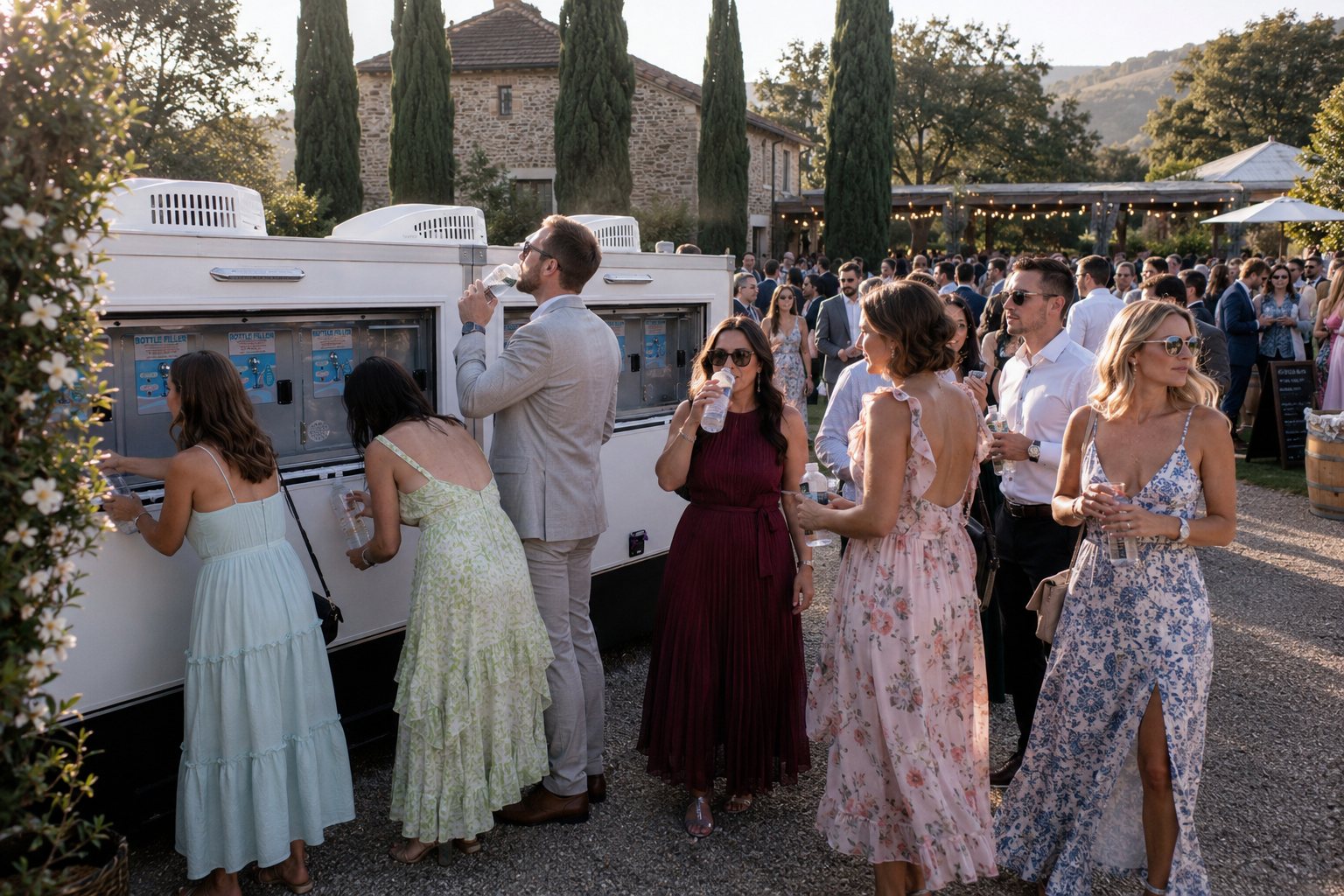
At a horse show at the Salt Lake County Equestrian Park, riders, parents and the people who care for the horses all ask for water in different ways, and one trailer has to cover them. Four push-back taps fill a bottle the moment it touches the bar, and one of the four sits at a height a seated guest can reach, so no add-on equipment is needed. A large-jug spout fills five-gallon coolers and hydration packs for long arena days. Hose connection taps handle rinsing, event support and refilling, and stainless food-grade plumbing from end to end keeps the filtered, chilled water tasting right at the spout.
A Signature trailer carries 300 gallons, about 2,400 sixteen ounce cups, which suits a crowd gathered for the October pumpkin regatta on Oquirrh Lake. We refill on demand, so the trailer never becomes the bottleneck.
You operate nothing. We position the trailer, fill it and hook it up, then show the builder’s site lead or the event volunteers the basics before we drive off.
Send over your head count and how long you need the trailer. Then show us the exact parking spot and what power is nearby, since a brand new street in Daybreak may not have any yet.
We answer every call 24/7 and do our best to deliver as quickly as possible, then tow the trailer to your site on the west side of the Jordan River. When a heat advisory covers the valley or the power is shut off for a day, we send emergency runs at any hour.
On arrival we set the unit level and charge the 300 gallon tank. Power comes from one to four standard 120 volt circuits or a single 50 amp 240 volt drop, and a builder’s temporary panel on a home lot often fits one.
We bring the tanker back based on how fast the tank drains, so a packed evening at a ballpark gets visits more often than a quiet weekday jobsite does. We maintain the unit for the whole rental term.
A bare parcel in a new subdivision may have no power yet, and we plan for that when we quote. The trailer draws little electricity, our service trucks back it up, and our stations have worked on lots with no permanent hookup. Describe what the lot has and we handle the rest.
The main rules in play are the ones that govern your project, not the rental itself. On a construction site, federal safety rules call for drinking water that is provided and kept cool, and Utah runs its own state workplace safety program alongside them. A rented station is one straightforward way to meet that need.
For events, the organizer’s permit usually decides where vendors and equipment can sit, and the Salt Lake County Health Department regulates food booths. A drinking water station is not a food booth, but ask the department how your event should handle water service. A rental trailer does not replace a permit or an approved kitchen.
South Jordan’s own code on temporary trailers was not clear when we looked, so check with the city planning office and the property owner or the homeowners association before delivery. In Daybreak, an HOA may have its own rules for trailers. Send over a photo of the spot with your quote request and we will plan the approach.
Three services sit behind every trailer: drinking water delivery, reserve supply on site and wastewater removal. One call arranges all of it, so nobody has to coordinate three vendors for a big weekend at Bingham Creek Regional Park or a long home build.
Potable water trucks carry drinking grade water in bulk and recharge the 300 gallon tank at intervals set by head count. They also top up storage tanks, holding tanks and bladder bags. When one drop off cannot keep pace, such as a packed night at the Downtown Daybreak ballpark or a big concrete pour, they keep coming back.
Bladder bags fold flat and store extra fresh water for the busiest hours of a day. Where there is no drain, they can also hold greywater for a while. On outlying parcels near the Oquirrh foothills they keep a crew supplied between tanker runs.
Large parcels often put the trailer far from the fill point. A pump truck closes that gap by sending water to holding tanks or straight to the station, which helps across the wide grounds of the county equestrian park.
Vacuum and waste trucks take away greywater and wastewater and haul it to approved disposal, so the loop closes. You never track where used water goes. We plan it in from the start, which counts when crowds gather for the October boat races on Oquirrh Lake.
A tract in Daybreak, a Saturday of games at Bingham Creek Regional Park and a multi-day gathering at the Salt Lake County Equestrian Park all need different pieces from us. If your site is out past the last road, we can set up the station with a spare bladder bag and a water truck that comes back on a schedule. When a night of games fills the park, we add a pump truck to keep the supply steady and come back after teardown to haul away the waste. You describe the site, we assemble the combination, and one crew and one invoice cover it.
Need a station your written heat plan can point to? We can have one pouring cold within days.
Every southwest Salt Lake County job is a little different, but most follow a few common patterns. Here is how a typical setup plays out:
A site manager with a concrete pour on a 100 degree day in Daybreak. When the forecast shows triple digits for a pour, we place the station beside the wash-out area and out of the truck path. Because the heat usually peaks in the afternoon, we send the tanker for a mid-morning refill and leave the tank full before the hottest hours.
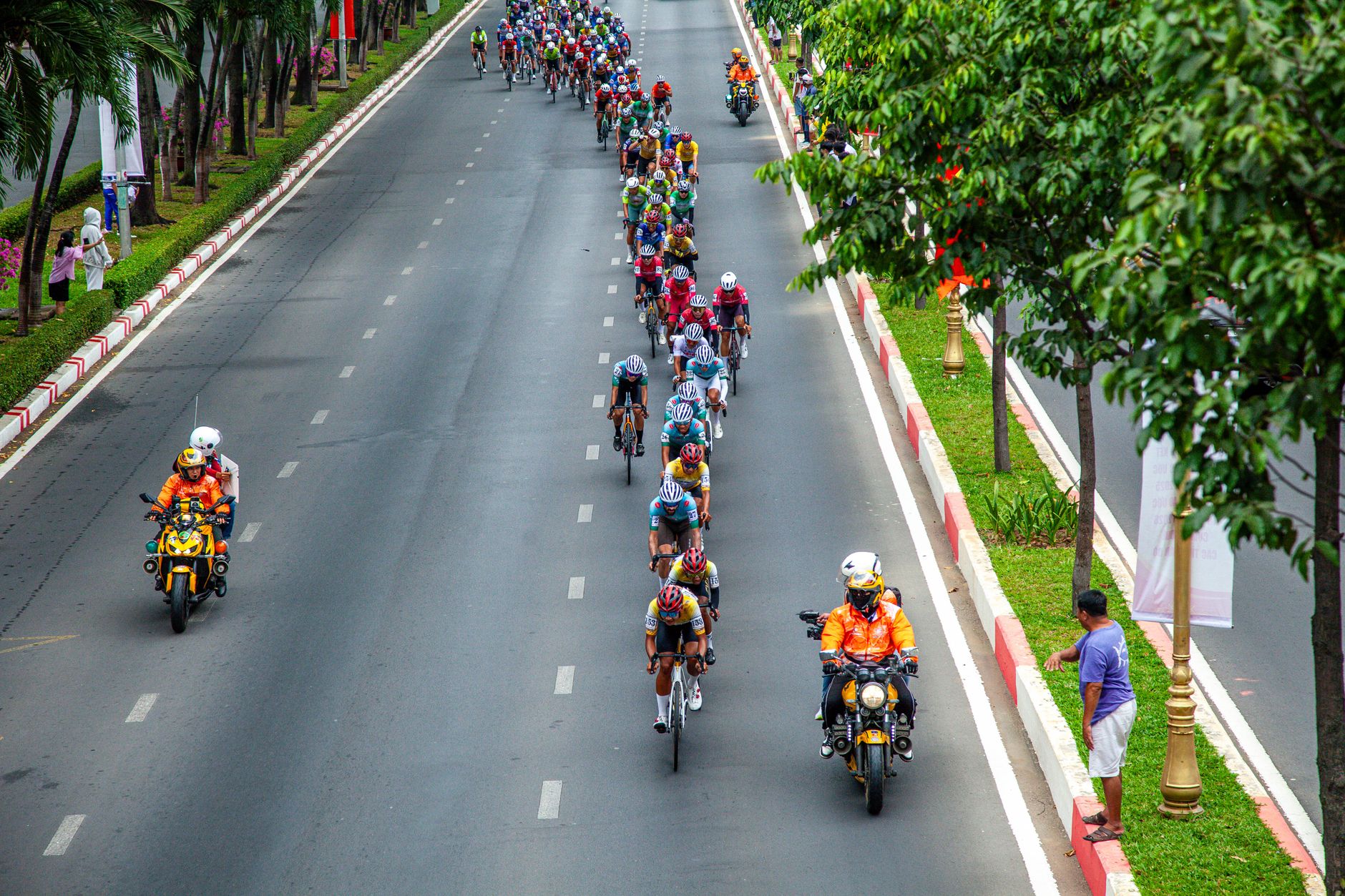
A race director staging a 5K finish near Oquirrh Lake. When thousands of people finish within the same hour, we plan the water taps at the finish line and set up a second point near the check-in tent. We talk through crowd flow with the director before delivery.
A restoration supervisor setting up a staging yard after a windstorm. When a storm takes out lines overnight, we plan a generator-fed station for the yard so crews have water from the first shift. We confirm access and gate times with the supervisor first.

Utility work starts when something has already gone wrong. The March 18, 2020 Magna earthquake, a magnitude 5.7, knocked out power for about 73,000 Rocky Mountain Power customers along the Wasatch Front, and the September 8, 2020 windstorm left more than 161,000 customers without service at one point.
Restoration crews work long, irregular hours from staging yards, and a yard rarely has a drinking fountain. A self-contained station gives the whole yard cold water without anyone driving off to find it.
The station draws power from a generator when the yard has no outlet, so a blackout does not leave it dry. Drought and wildfire risk have made shutoffs and repair work a regular part of Utah summers.
Our team plans these deployments around the dispatcher’s schedule, not ours. Let the yard know where the yard is and how many people it holds, and we handle the rest of the setup.
Bottled water looks like the cheaper choice when you only compare the price of the cases. The bill arrives later as handling hours, staging space, water that warms up and trash to haul. Each cost climbs on a hot, dry lot in South Jordan, an inland valley with very little shade over open ground.
Bottled water looks free of labor until you count it. Ordering, unloading, icing, restocking and hauling out empty bottles each take somebody’s time, and that time starts well before the first bottle gets handed out. On a homebuilding crew in Daybreak that adds up to paid hours every single day. With a trailer, nobody on your payroll handles water at all, because we fill it and the site gives up one parking stall. One contractor tracked the hours and found that bottle runs took close to a full day of payroll each week, so the labor saved covered the cost of the unit.
Coolers also bring a steady cost of their own, because ice has to be bought, hauled and swapped out again and again. A trailer replaces those runs with one scheduled fill, so cooling stops being a daily chore for your crew or your volunteers at the Daybreak ballpark.
Stacked pallets eat up staging room and leave bottles sitting in the heat long before anyone opens them. On a busy shopping center lot such as RiverPark, used bottles pile up faster than anyone can haul them away. One parking stall holds the whole trailer, so the dumpster at a place like RiverPark never has to take in the hundreds of empty bottles a crew or crowd would leave behind.
Taking away used bottles adds a cost of its own, whether on a build that lasts months or at the summer events around Oquirrh Lake. Someone has to load them, move them and pay for disposal.
Phone the yard with your dates, headcount, address and power situation, and the quote we give is figured for your own event or build, not pulled from a standard sheet. Many callers here are planning a church activity or a build on a new street.
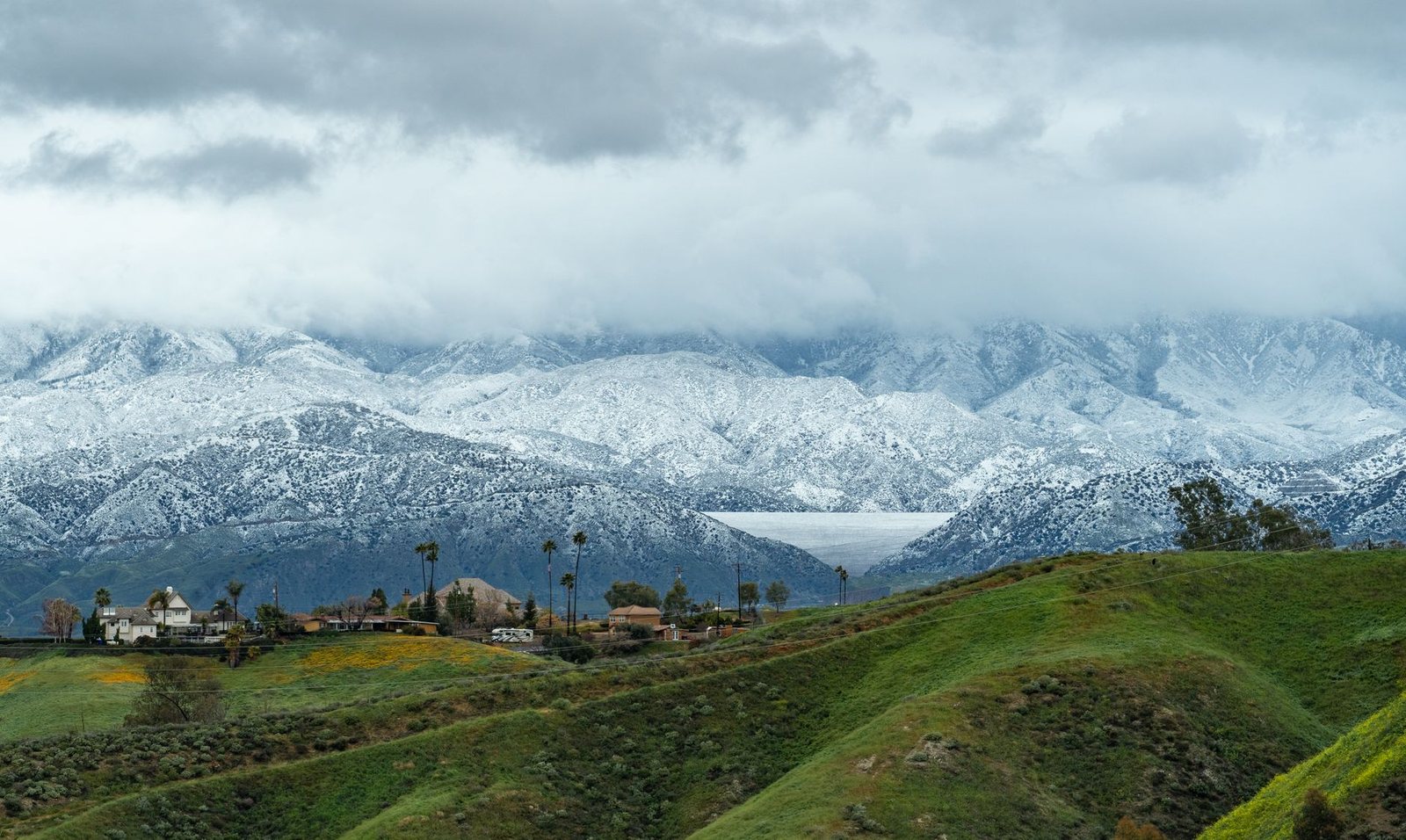
Delivery covers the southwest Salt Lake Valley, from Daybreak and the Jordan River corridor out to the west bench. The same team also handles temporary water station rentals in Utah, so a project that spans several cities needs just one phone number.
Working a corridor instead of a single address? We follow the main routes across southwest Salt Lake County, so multi-site projects get the same fast turnaround as one stop.
Still weighing it? Call and ask. Most of these questions get settled in one short conversation. Some customers book more than one location and start by reading about water station rentals across Salt Lake County in South Jordan.
We do our best to deliver as quickly as possible when you call, with no promise of exact timing, and we set the station up on arrival. The site needs level ground and a clear path wide enough for a truck and trailer, plus a nearby outlet or a spot where a generator can sit. Sending a photo of the spot with your quote request lets the team plan the approach.
The main drivers are how many days you need the station, how many stations the site needs, how far the trailer travels and how many refill visits you want. Power setup matters too, since a generator adds a step. Every quote spells out delivery, setup, service and pickup so you can see what is included.
Spout drip and overflow water is a small amount, but it has to go somewhere. We plan a drain line or a collection setup during the site check, and we keep it away from the equipment path. Storm drains in the valley generally lead toward creeks and the Jordan River, so keep drip water out of them.
The tank and filters are sanitized at our yard before every rental goes out. On service visits our team wipes the water taps, checks the filters and tops up the tank. If you see anything that looks off between visits, call and we will come back.
The best spot is on dry, level ground near the work but out of the loader and forklift path. Keep it clear of fire lanes, overhead lines and doors that must stay open. Leave room for our driver to swing in and out, and confirm with the property owner first.
Anything past a couple of weeks usually works better as a long-term rental, with a set refill schedule and a single point of contact. Rental periods can be short or long, and we adjust the visit schedule as your project changes. If you already know when the project wraps up, share that date with us so the refill visits end when your work does.
A bottle-fill spout lets someone fill a big jug in a few seconds, so a crew waiting behind them spends less time standing in line than at a regular drinking fountain. Fewer cups means less trash on site, and workers can carry a full bottle back to the work. A fountain style spout is still handy for a quick sip.
Yes, the Signature Series includes an ADA height fill spout, so any adult or child on the site can use the station comfortably. The access path should be level and firm, which we check during the site visit. If you need a specific clearance for your project, let the yard know when you call.
Yes, fast delivery works for Downtown Daybreak. Streets near the ballpark and the TRAX stop get busy on event days, so ask the venue about delivery access and timing.
Yes. A generator can supply the same circuits the station would draw from an outlet. For quieter sites such as a school or an evening event, a standard outlet is the quieter choice.
Yes, South Jordan sits in the middle of the southwest valley, and the same team covers the neighboring cities. Call with the address and we will confirm the details.
Sizing starts with people and hours, not with the trailer. Count how many people will be on site at the busiest hour, how long the shift or event lasts, and how hot it will be. Everything else follows from those three numbers, and you can work them out on a napkin in two minutes.
For hot work, federal workplace health researchers suggest a cup of water about every 15 to 20 minutes, which is the pace a crew in a South Jordan summer should plan around. At a quart an hour, an eight hour shift comes to 8 quarts, or about 2 gallons per person. A job with 60 people drinks around 120 gallons in a shift, before anyone fills a bottle to take home.
Before you book a water station, a few good questions will save you trouble later. Here is the list our team wishes every customer brought to the first call, in the order they usually matter.
First, ask what is included. Delivery, setup, service and pickup should all be in the quote, and you should hear that plainly. If a company quotes a low number and then adds charges for each visit, you are comparing different things.
The water station calendar here follows the weather, the school year and the event season. Knowing which weeks run hot and which run busy helps you pick dates and ask the right questions early.
Spring brings the first wave of site work as the ground thaws, and frame crews start on the next round of homes. Water is easy to overlook in April, but the first 85 degree day catches a lot of sites without a plan.
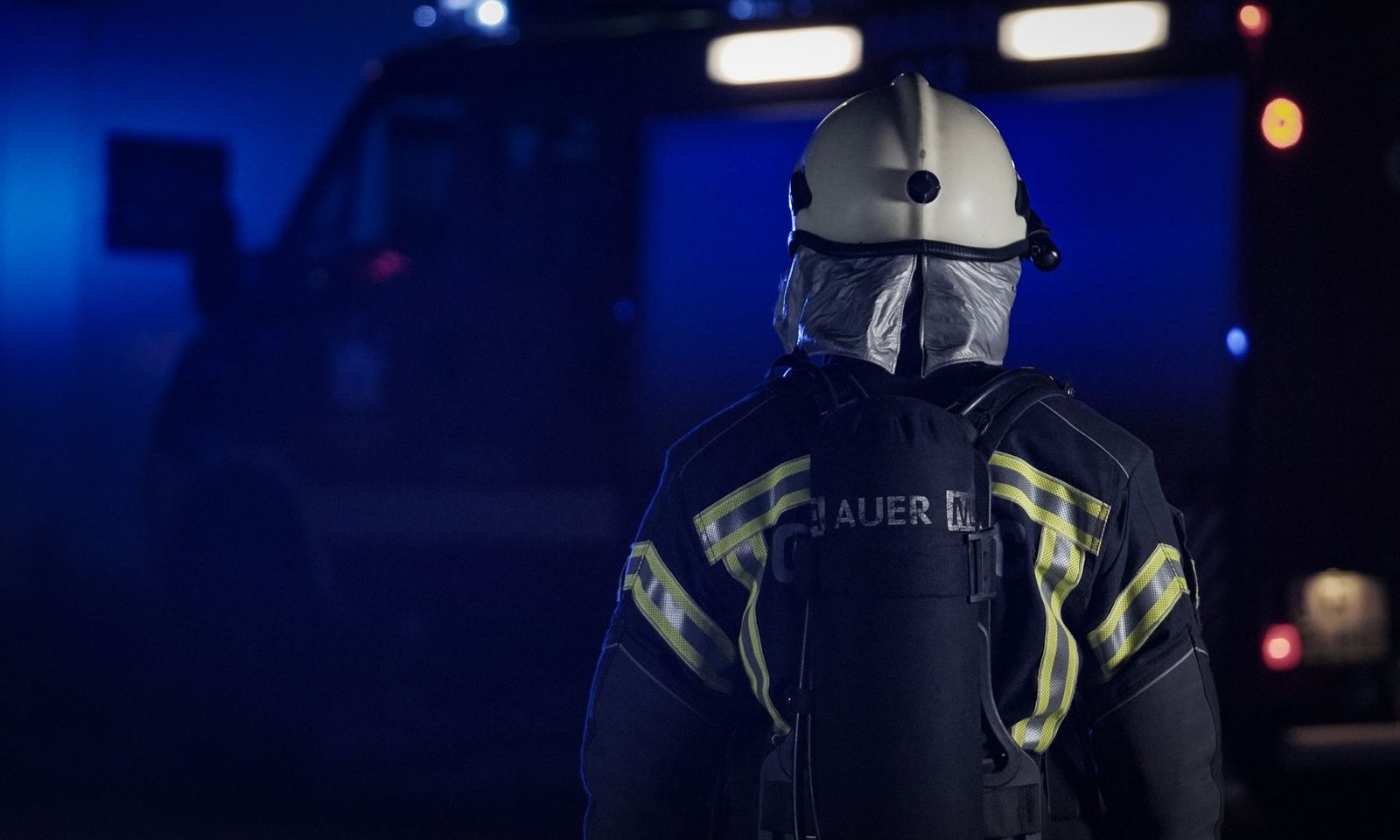
Salt Lake City hit an all-time record of 109 degrees in July 2026, and that mark had stood since 1960. Most days are cooler, but triple digits are a normal part of a Utah summer, and dry air makes it easy to underestimate how much water you are losing.
The first plan is about timing. Heat illness builds over hours, so drinking small amounts often works better than drinking a lot at lunch. A station within a short walk of the work gets used far more than one at the far end of the site.
“I called with a head count and they sized it in one call. No guessing, no extra trips.”

“We had a tenant build-out with a small team and one station was plenty. The team set it up behind the building where no one noticed it.”

“Our staging yard had no water at all. The station ran off a generator for the whole job and nobody left the yard to find a drink.”
“We had about 300 people at a service project and the station replaced a mountain of jugs. Clean up was easy.”

“Pour days are hot and long. The crew drinks more water than I plan for, and the station has kept up every time.”

“Saturdays at the market get warm fast. Having a refill point near the stalls made everyone’s day easier.”

“They looked at my site photo and told me where to put it. It stayed out of the way of the loader all month.”

“Riders and handlers kept asking where the water was. With the station near the barns, nobody had to walk across the arena.”

“We were on open ground with no outlet. They brought the generator option and the station worked from the first morning.”

Service information current as of October 2026.
Send over the headcount or the gate count, the rental dates, and where the trailer should park, and we’ll spec the right setup and roll one out to you anywhere in southwest Salt Lake County, and we answer every call 24/7 and do our best to deliver as quickly as possible.