Bottled Water Station Rentals Chandler for Events & Job Sites, A+ BBB, Call Now
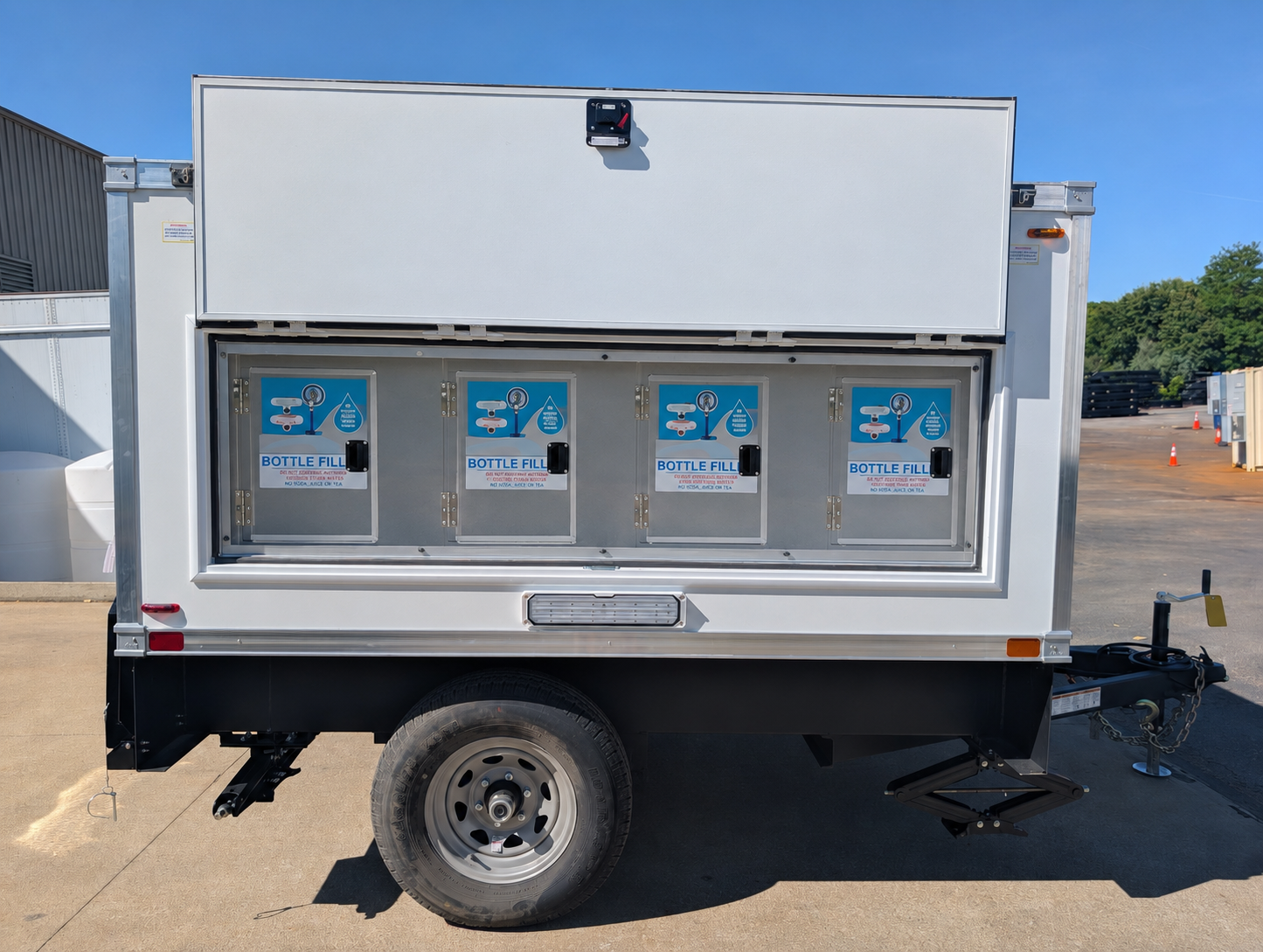
We deliver cold, filtered drinking water across Chandler and the East Valley for events and job sites — from festivals in Downtown Chandler to fab expansions along the Price Corridor. In the summer heat, warm bottled water gets left untouched. We tow in a self-contained drinking-water station, cold, filtered, and topping itself off all day, so a wedding party in Ocotillo and a 200-person build crew off Germann Road stay just as comfortable, and your day keeps running on schedule.
- ~45-minute East Valley delivery
- Cold, four-stage-filtered water
- ADA bottle filling
- OSHA heat-illness ready
- A+ BBB · licensed & insured
- 24/7 emergency dispatch
Cold drinking water for Chandler job sites and events, kept full all day
We deliver cold, filtered drinking water across Chandler and the East Valley for events and job sites, and we keep the station full all day. On the south and east edges of town, some of the most ambitious construction in Arizona is underway, semiconductor fabs, data halls, and the infrastructure that feeds them, and every one of those sites puts crews in open desert sun for months at a stretch. North and central, the city fills with people: festival crowds on the historic square, tournament weekends, weddings out toward Ocotillo. Both worlds need the same thing, cold drinking water that never runs out, and that’s exactly what our Signature Series stations deliver.
Fast delivery across the East Valley
A standard drop reaches most of the East Valley within about 45 minutes of dispatch, and the line never closes during a heat advisory. The morning a superintendent finds a 75-person crew off Germann Road with nothing but a warm cooler, that turnaround is the entire difference.
Cold from the first pour to the last
An onboard chiller works against each trailer’s own tank, so the evening pour is as cold as the one at dawn. Crews don’t drink warm water, and water nobody drinks protects no one, out here that gap decides whether a crew keeps drinking or someone winds up in an ambulance.
Dropped, filled, serviced, pulled
There’s no separate bottled-water account, ice errand, or waste hauler to wrangle. We place the trailer, keep it charged from our own tankers, look after it through the term, and tow it at the end, one name on your phone for the whole hydration loop on the Chandler job.
There is a line I give every new Chandler client on the first call: if the crew won’t walk to it, the water isn’t doing its job. I have seen pallets of bottled water bake untouched by mid-morning while people quietly slid into trouble, and I have seen the reverse, a cold station a few steps off the work face that a crew drains twice a shift without anyone nagging them. Closing that gap is the entire assignment. So we don’t drop a trailer and vanish. We size it to your headcount, set the refill cadence to your real demand, and treat a hot-weather emergency the way you would want it treated: fast, because in a Chandler summer the margin is measured in degrees and minutes.
One road-towable trailer, engineered for Chandler work in full desert sun
We bring one purpose-built unit to Chandler: the Signature Series water station trailer. Mounted on a full road chassis, it hauls right up to wherever the work happens, a grading pad off the Loop 202 Santan, a festival field downtown, a tournament complex by SanTan Village (think a weekend soccer bracket with eight fields running at once). Nothing to build, nothing to plumb in, nothing fixed to dismantle later. Cold filtered water flows the very day it shows up.
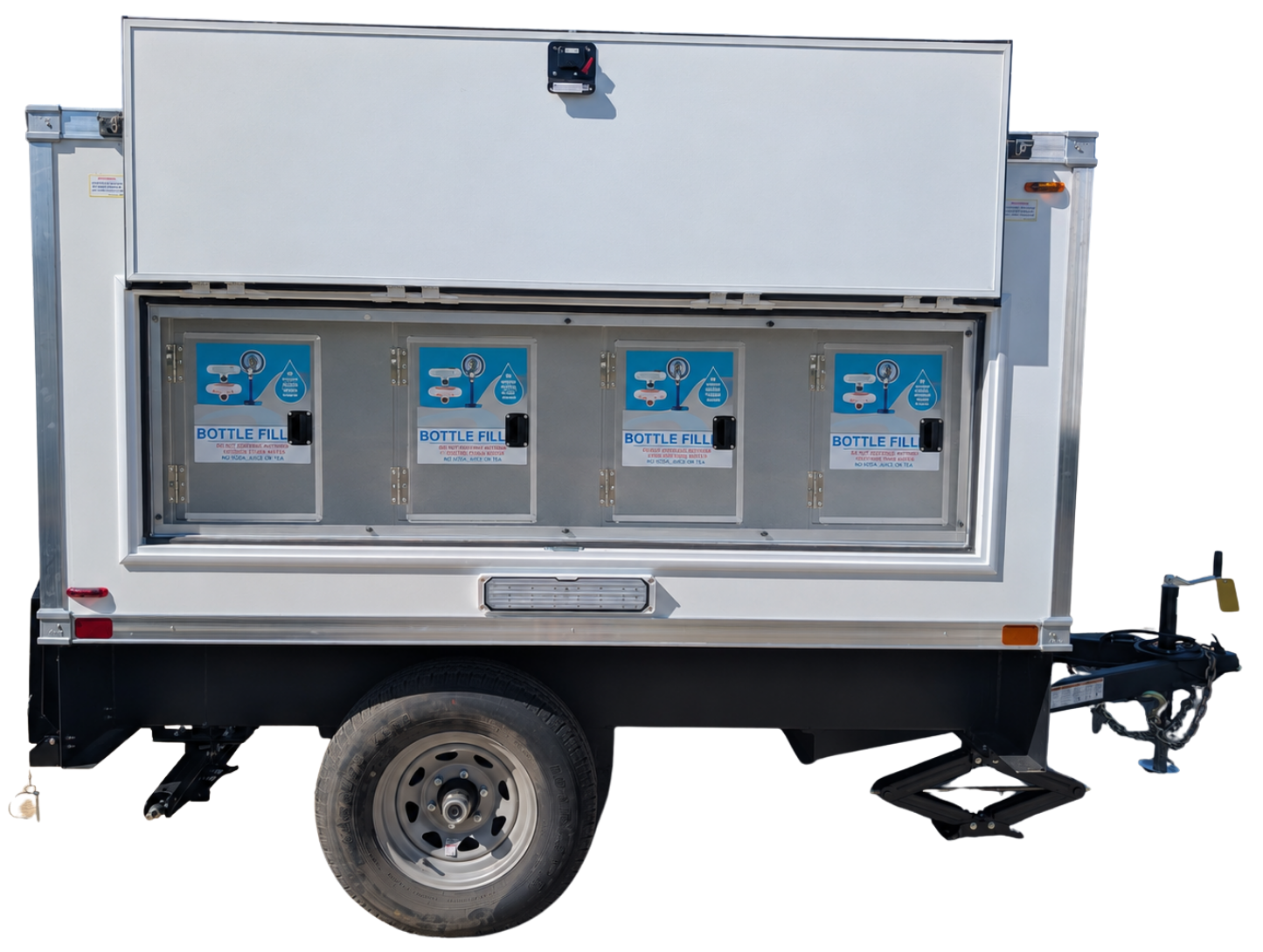
Signature Series specifications
Riding a full chassis on its own tires and hitch, it tows out to a far-flung build pad, an event green, a farm operation, or a staging yard during an emergency. Chandler builders and event planners request this one by name, built to roll in, sit level, and be pouring within hours of arrival.
| No. of stations | (4) Bottle Filling Stations |
| Length | 12′ 3″ |
| Weight | 3,100 lbs. |
| Height | 8′ |
| Fresh water tank | 300 Gallons |
| Power requirements | 1–4 dedicated 20A/120V circuits OR 1 dedicated 50A/240V circuit |
| No. of AC units | 1 |
Why this trailer suits the East Valley
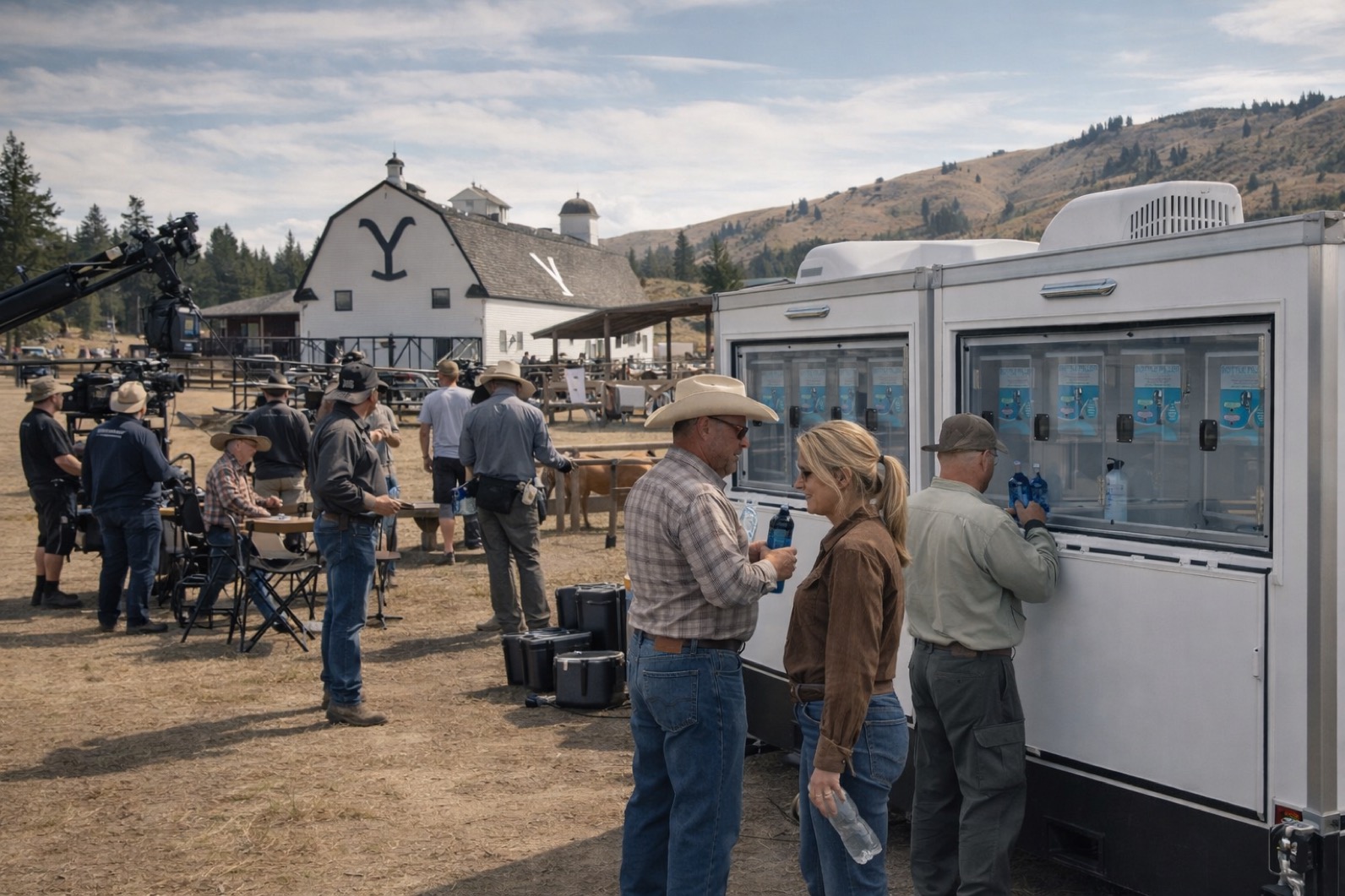
You can read the heat-and-distance thinking in every part of this trailer. The four push-back taps run along an awning-shaded exterior wall, which lets a whole crew cycle through on a short break rather than queuing behind one spigot. Cooling gear and chillers built into the body keep the water cold even with the unit parked in full Chandler afternoon glare, precisely the moment a stack of coolers or a bottled-water plan gives out around here.
That 300-gallon reserve runs a good-sized crew clean through a shift, and because the whole rig is towable, we can roll it across a big Chandler site or move it to the next phase of a build with nothing fixed to rip out. It takes everyday site power across a forgiving range, so one trailer covers a finished campus and a stripped desert lot we feed power to just the same.
And there’s more aboard than the four marquee taps let on, a rear large-jug spout fills five-gallon coolers and hydration packs, while a set of hose-bib outlets handle wash-up, crew chores, and field work. A single trailer rounds out the whole hydration story for a Chandler jobsite or event.
Hydration shaped to the way Chandler actually works and plays
Chandler doesn’t have one hydration problem, it has a stack of them. A fab expansion off the Price Corridor is a different job than the Ostrich Festival on the downtown square, which is different again from a spring soccer tournament near SanTan Village. Here is where these stations go to work.
The Price Corridor tech build-out
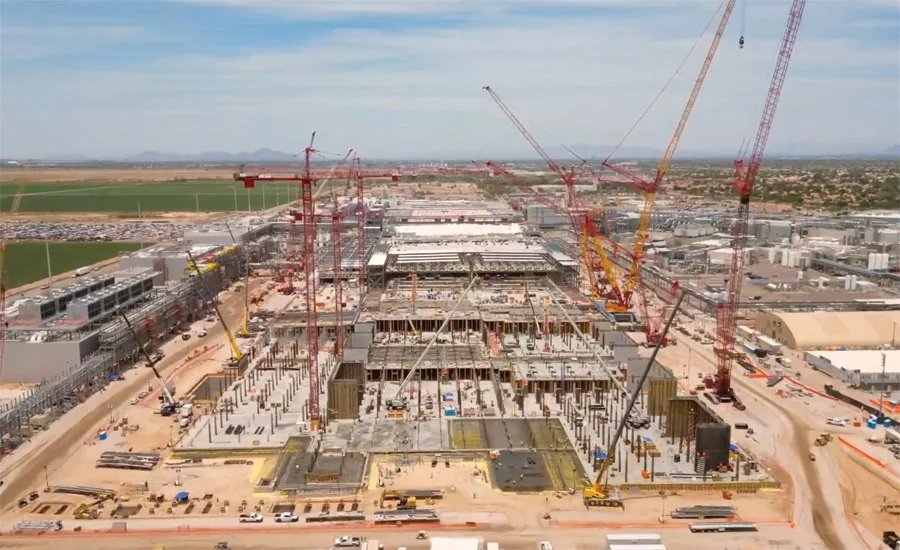
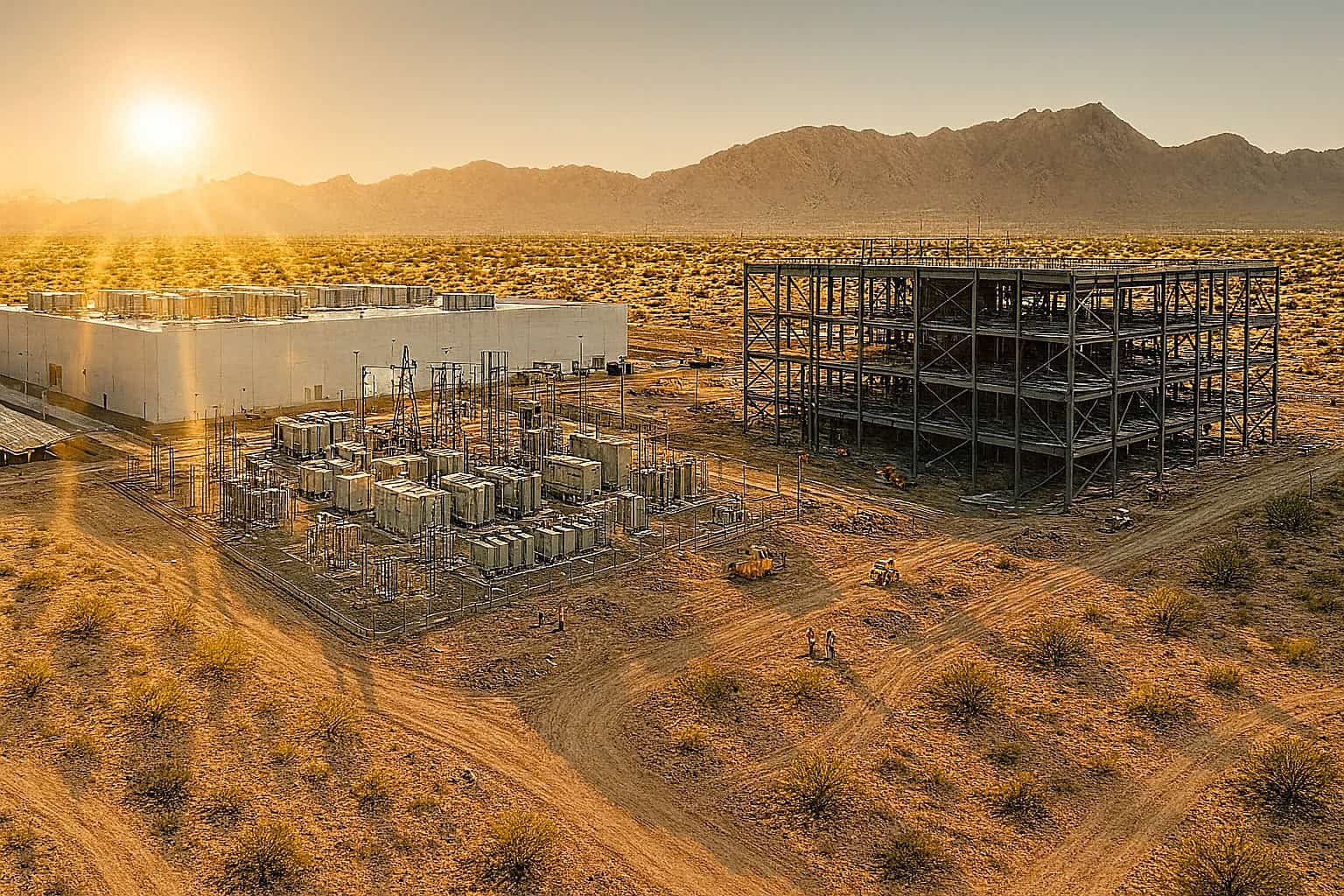
Chandler’s southern tech belt is one of the busiest construction theaters in the state (we’ve had crews on three corridor pads in a single week), Intel’s Ocotillo fab campus and its long-running expansions, the surrounding chip-supplier plants, and the infrastructure tying them together. These are crews of hundreds in open sun, and we stage stations along the corridor so general and trade contractors keep documented cold water within a short walk of every work face.
Data centers & heavy infrastructure
The same corridor that draws the fabs is pulling in data halls and the power, water, and roadwork that feed them. Steel-frame builds in bare desert offer zero natural shade (no awnings, no mature trees, nothing) and run on tight schedules. A towable station drops straight onto the laydown yard, giving crews chilled, filtered water without anyone driving off-site to find it.
Downtown events & the Ostrich Festival
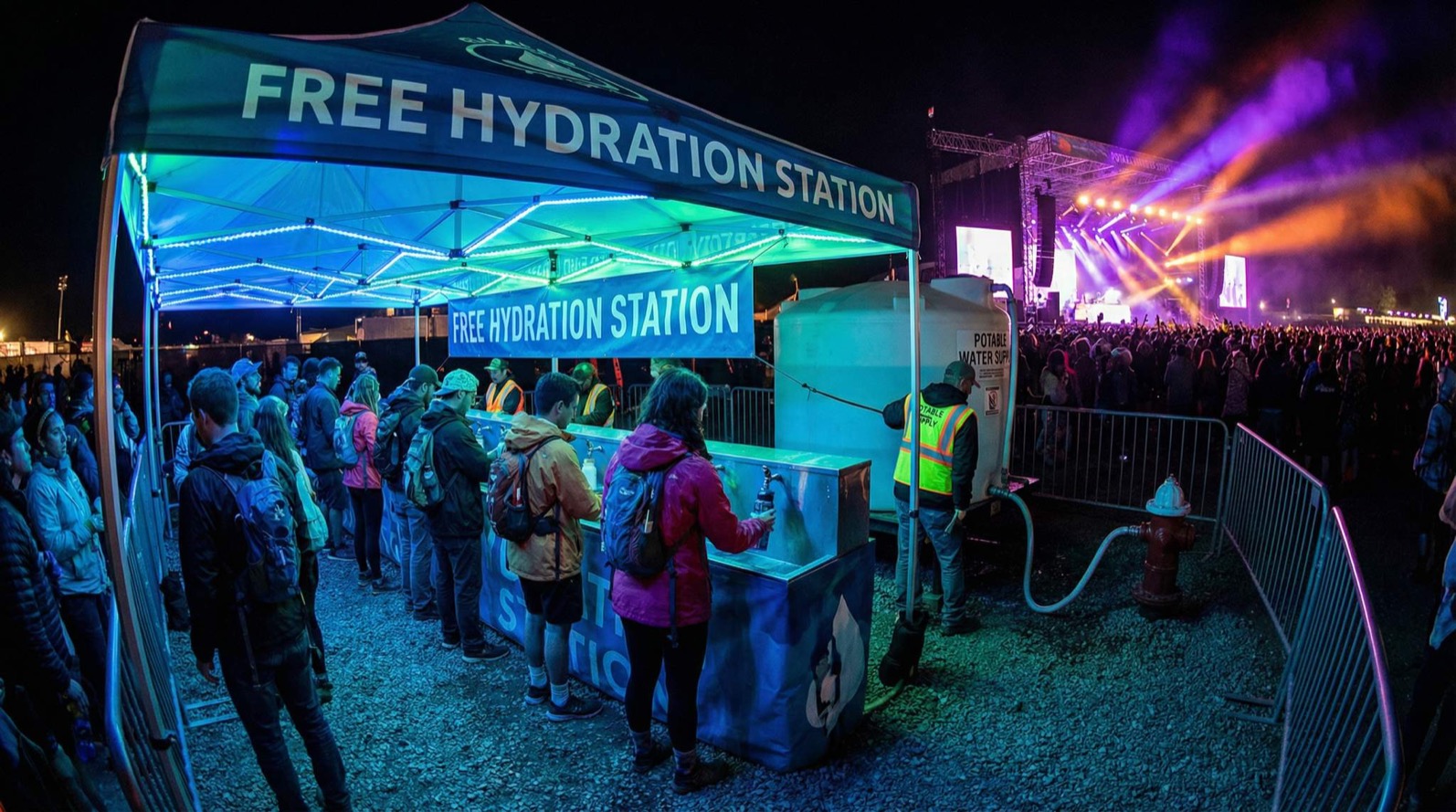
The Chandler Ostrich Festival packs the historic downtown square, and the city’s calendar stays full of street fairs, concerts, and tournaments year-round. An outdoor Arizona crowd drinks fast (faster than first-time organizers ever budget for). A station hands organizers free-flowing cold water and clean refill points without a mountain of single-use bottles to truck in and cart out.
Residential growth, landscaping & outdoor labor
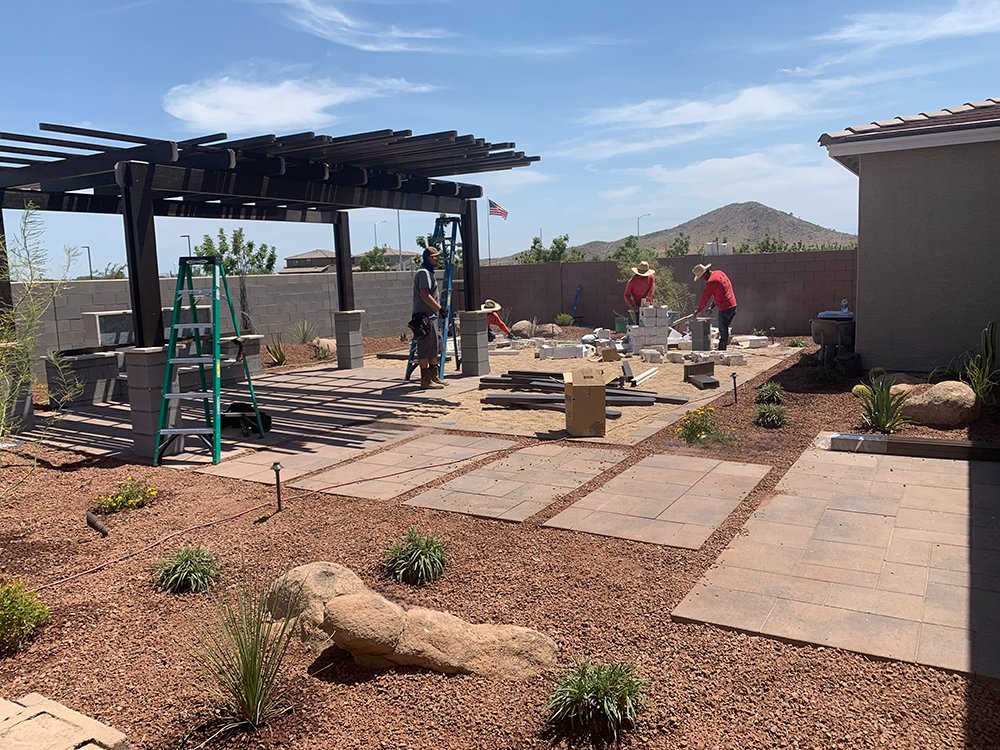
Chandler’s fast residential build-out keeps framing crews, landscapers, and utility teams (often the same trades, week after week) in the sun across new neighborhoods toward the city’s south and east edges. Jug-fill and hose-bib outlets let field crews top off coolers and personal gear right where they are working, instead of breaking pace for a run back to the truck.
In a Chandler summer, hydration access is a documented safety obligation
Chandler lands squarely in Maricopa County’s triple-digit season, with July and August runs when the nighttime low won’t even drop out of the 90s. Employers in Arizona fall under federal OSHA, and the rules there already call for drinkable water to be within reach on the job. The agency’s proposed national Heat Illness Prevention standard would tighten the screws further, leaning toward logged, suitably cool water kept near where crews are actually working.
A staged trailer converts that obligation into a line item a safety manager can actually show. It’s a fixed, mapped source pouring cold, potable water whenever a crew needs it, the spine of a defensible Heat Illness Prevention Plan (HIPP) and exactly what an inspector walking a Price Corridor site wants to see on the ground.
- Cool, drinkable water available without a break in coverage, right at the work face
- A single mapped source you can log and cite in your HIPP paperwork
- Built to back acclimatization schedules and timed water breaks for sun-exposed crews
- Positioned for the federal heat rules that are tightening, not caught flat-footed by them
Why one station beats buying bottled water all summer
Picture sixty workers on a Chandler pad through one summer. Allow six bottles each on a day that breaks 100, and the daily tally, purchased, trucked in, iced down, then thrown out, sits near 360 every shift.
Stretch that over a typical eight-month corridor schedule and you clear well past 70,000 bottles, with the bigger phased fab and data-hall jobs sailing into six figures. One trailer stands in for the entire pile, water cold at the tap, and not a single empty headed for the bin.
It is a logistics call before it is a green one
The plastic-waste angle is real enough. Americans throw away on the order of 60 million bottles a day, barely a third make it to recycling, and one bottle can sit in a Maricopa County landfill longer than the building it served stays standing. Worth a paragraph in your sustainability report. But the reason most Chandler project managers actually make the switch is plainer, a single shared station kills the daily fire drill. The recurring bottled-water PO goes away. So does the cooler that’s gone bath-warm before mid-morning, and the stack of empties roasting by the gate. Your super gets to run the build rather than nurse the water supply.
And because we keep the station filled with our own potable water trucks, supply scales with the work. A crew that doubles for a slab pour does not out-drink the plan, we simply top off the tank.
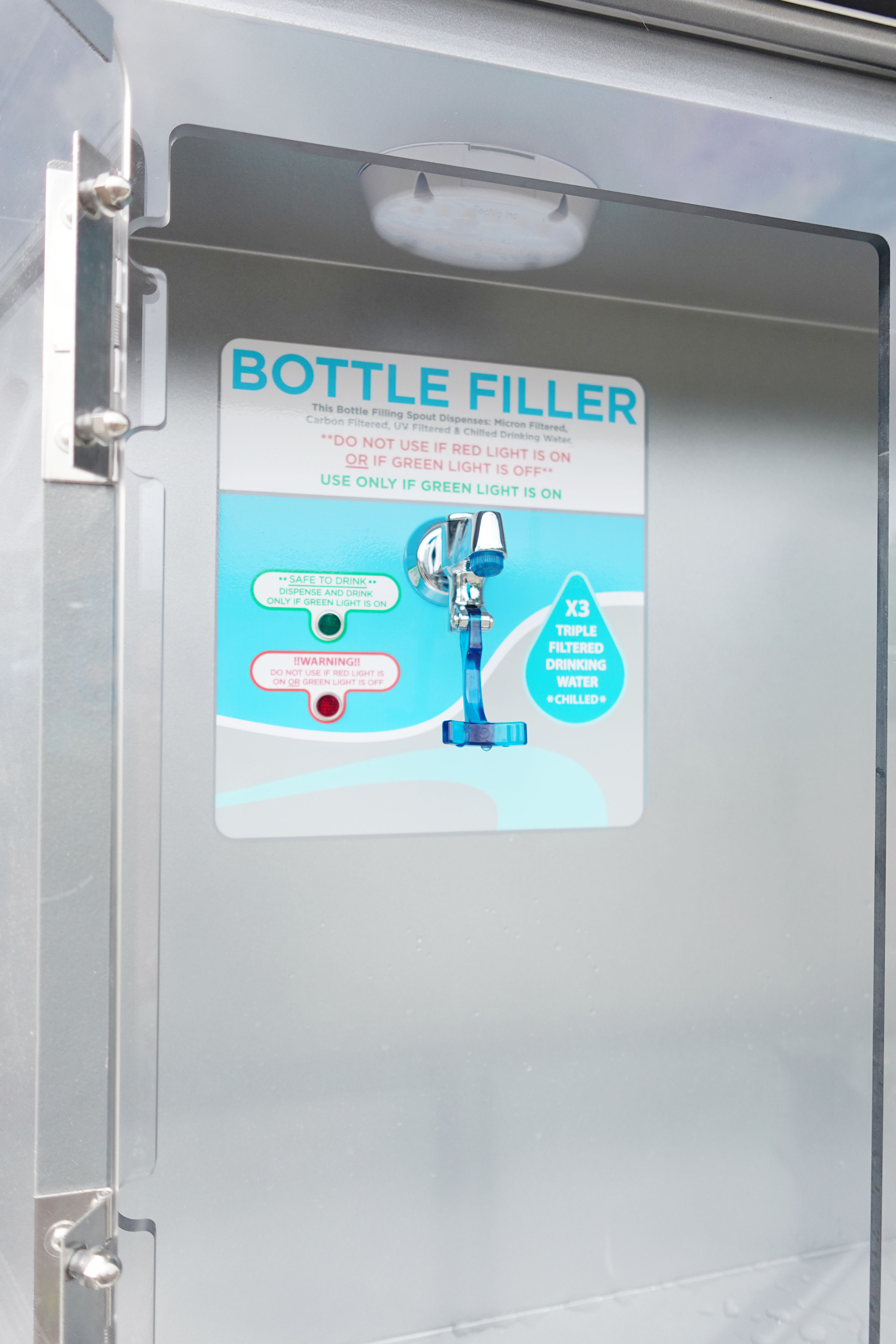
Filtered through four stages, disinfected, chilled, then poured
A water station only earns the rental if people genuinely want to drink from it. Ours pass city water through a full treatment train and a UV chamber before an onboard chiller takes over, so what leaves the nozzle tastes the way it should and arrives genuinely cold, even on the ugliest Chandler afternoon of the year.
Sediment stage
The first pass screens out grit, rust flakes, and the fine sediment East Valley mains shed, so nothing downstream has to fight cloudy water.
Carbon stage
Next, carbon scrubs the chlorine and the stale, flat notes off the taste, the very thing that decides whether a crew keeps coming back to the tap.
Micro-particulate stage
A micro-particulate cartridge screens out the fine particles the earlier stages leave in, keeping the pour safe for workers and event guests alike.
UV disinfection
Last, water runs past a UV lamp that knocks out bacteria and pathogens with light alone, no chemical dosing, just before it reaches the spout.
Three ways to fill, ADA included
The trailer carries four push-back fill points, each on an adjustable nozzle, push a bottle to the bar and it runs. One of the four sits at wheelchair height, so an ADA accommodation is built into the unit rather than bolted on for a Chandler site. Around back, a large-jug point fills five-gallon coolers and personal packs, while several hose-bib taps cover wash-up, crew tasks, and field use. The wetted path is food-grade and stainless end to end, which is how the filtered, chilled quality survives the whole trip out to the spout.
Each Signature tank starts at 300 gallons, call it 2,400 pours of a sixteen-ounce bottle, and our trucks top it up on demand, so the supply rather than the tap dictates the day, and a busy Chandler shift never queues up behind an empty trailer.
We deliver, fill, and connect it, usually pouring cold water within the hour
There is no project to manage on your end. We handle placement, the fresh-water fill, and the power hookup, and we walk your team through it before we pull off the Chandler site.
Tell us the basics
Crew or attendee count, the number of days, the spot it should land, and the power on hand. With those four, we can size the order correctly.
We roll out to your site
Reckon on roughly 45 minutes out of dispatch across most of the Chandler metro, plus round-the-clock emergency drops whenever a heat event hits.
We get it pouring
We level the trailer, charge its 300-gallon tank, and tie into power, anything between a single 20-amp 120-volt circuit and three of them, or one lone 50-amp 240-volt feed.
We keep it stocked
From there our tankers refill on a cadence pegged to your draw, and we maintain the trailer start to finish for the whole rental term.
Nothing wired up yet on a bare desert pad? We settle that inside the quote. The trailer sips relatively little power, and with the service fleet behind it we’ve kept stations running on lots with no hookup at all, par for the course on the Price Corridor’s earliest grading phases. Tell us what’s actually on the ground and we’ll engineer the rest.
A long hot season, a fast-growing city, and crews building it in the worst of the sun
Most metros get a hot week or two. The East Valley gets a hot season measured in months, and the people putting up Chandler’s future are out in the thick of it, day after day.
A typical Chandler year stacks up more than a hundred days at or above 100 degrees, with long July and August runs where the overnight low never quite leaves the 90s. The reading on fresh asphalt and bare concrete climbs far past the air temperature (we’ve clocked surfaces near 160 on a 108-degree day), which is why a crew can be in real heat-illness territory by mid-morning while the thermometer still claims it is “only” 103. Cold water is not a comfort line item in that environment, it is the single cheapest piece of safety equipment on the site, and the one workers reach for most.
The hard part to plan around is how long the danger window stays open. A builder in a gentler climate can paper over a hot spell with a few extra coolers. A Chandler builder staring down a six-month summer can’t ice their way out of it, the demand is too big, the warm-up too quick, and the daily grind of hauling, icing, and tossing bottled water piles up shift after shift. A shared, self-chilling trailer is the only arrangement that survives a full East Valley summer without turning into a side project of its own.
And demand keeps climbing, because Chandler is in the middle of a generational expansion. The Price Corridor along the city’s south side has grown into one of Arizona’s densest concentrations of advanced manufacturing, Intel’s Ocotillo campus anchoring a belt of chip suppliers, data centers, and the heavy infrastructure that powers and cools them. The residential side races to keep up, with new neighborhoods spreading toward the south and east and the SanTan Village trade area drawing steady retail and event traffic.
Our East Valley dispatch grew up around that very rhythm. In our earliest days running trailers along the Loop 202 Santan and the Price Corridor, we tied refills to how many people were on the pad instead of a set calendar, and we layered in emergency drops whenever an advisory hit, because on a job this size, a dry trailer doesn’t merely slow progress, it can halt it outright and land a worker in the back of an ambulance.
When the crowd is outdoors and the Chandler sun won’t let up
Out here, event planners build their day around heat the way other regions build around the chance of rain. Take the Ostrich Festival downtown, a street fair on the historic square, a charity 5K, a youth bracket near SanTan Village, or a wedding out past Ocotillo, a self-sufficient trailer keeps cold water flowing for the crowd and gives them tidy refill points. It also lifts the truck-it-in, ice-it-down, cart-it-out plastic burden right off your team.
For a big footprint we can scatter several trailers so nobody has to hunt for water, and our crew works the delivery and pickup around your run-of-show. A downtown Chandler weekend taught us why: one trailer by the main stage pulled a thirty-person line by early afternoon, because crowd plus heat adds up fast. We came back the following year with units spread across the site, and the lines never formed. Guests read it as hospitality; your operations lead reads it as a risk already handled.
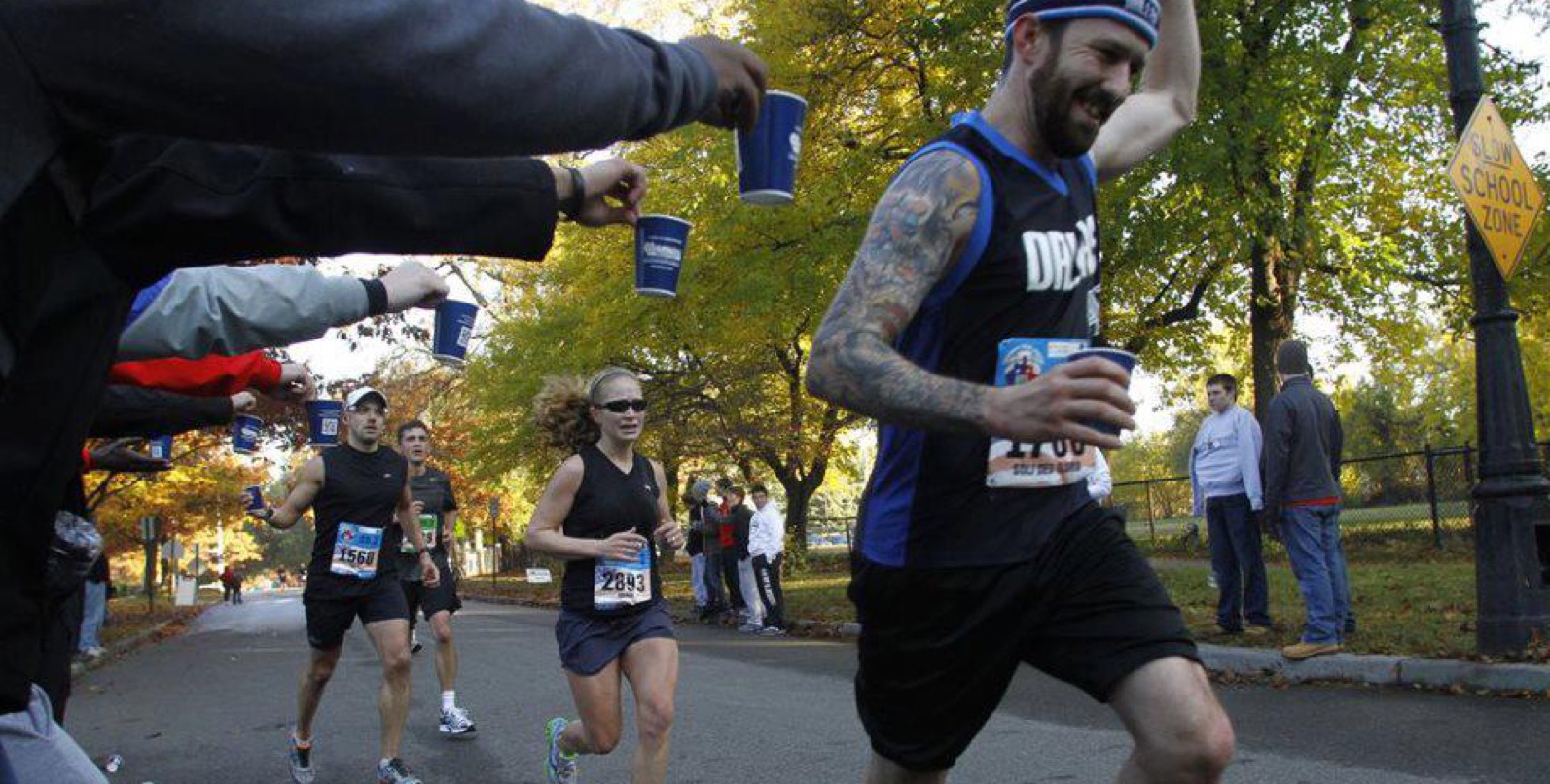
The costs a pallet of bottled water never shows on the Chandler invoice
On paper, a pallet of bottled water looks like the budget option. The true bill is buried in the handling, the storage room it eats, the mid-morning warm-up, and the trash it leaves behind, and a Chandler summer turns up the heat on every one of those.
The labor no one puts in the budget
Someone has to order the bottled water, take in the pallets, break them down, ice the coolers each morning, restock through the day, and bag the empties for disposal. On a large Chandler crew that totals hours of paid time every shift, time billed against the build itself. A shared station takes the whole chore off the table. When we ran the math with one Price Corridor contractor, the saved labor on its own paid for the trailer, and he put it bluntly afterward: “I had no idea the bottles were eating half a day of payroll a week.” Ours shows up full, tops itself off from our trucks, and asks nothing of your superintendent but a parking spot.
The temperature slide
That cooler iced down before dawn has slumped to swimming-pool temperature by mid-morning on a Chandler July day. People quietly stop reaching for warm water, and a crew that’s drinking less is a crew sliding toward heat trouble without anyone clocking it. The trailer’s built-in chilling has no such slide, what pours at five in the evening is as cold as the first cup of the day, right when a worn-down, overheated crew has the least margin to spare.
The space pallets quietly eat
Cases of bottled water hog staging room, crowd the laydown yard, and cook in the sun until somebody cracks them open. The empties stack up quicker than the hauler clears them, and on a cramped Price Corridor lot that clutter turns into a daily nuisance of its own. One trailer sits in a single stall and keeps a crew supplied that would otherwise blow through hundreds of bottles before quitting time.
The trash that outlives the build
Each bottle you buy is a bottle bound for the bin, and a humming site throws off a heap of them over a season. That’s a disposal bill, a dent in the project’s sustainability story, and, in a county where one tossed bottle can sit intact for generations, a footprint that lingers long after the keys change hands. Move to a refill trailer and that whole line drops to nothing, handing your ESG report a figure genuinely worth showing.
Beyond the station: the trucks that keep a Chandler site supplied
The station is the visible piece. Behind it runs a support fleet that handles fresh water in, on-site storage, and waste out, so a single call covers the entire loop instead of three separate vendors.
Potable water trucks
Our tankers run drinking-grade water by the load and keep the trailer’s 300-gallon supply replenished on a rhythm we set to your headcount. The same trucks charge cisterns, holding tanks, and bladders whenever demand spikes past one delivery, think a big slab pour or the busiest hour of a downtown festival (usually right after the headliner takes the stage).
Bladder bags & buffer supply
Collapsible water bladders bank a fresh-water reserve for the heavy stretches of a Price Corridor schedule. They’re the unglamorous backstop that keeps an out-of-the-way East Valley pad pouring steadily in the gaps between truck runs.
Pump trucks
Any time water needs shifting, charging a tank, drawing one down, moving supply across opposite ends of a job, a pump truck does the work. It pulls its weight on the big footprints where the trailer and the fill point sit nowhere near each other.
Vacuum & waste trucks
On the back end, a vacuum truck draws off and carts wastewater to a permitted disposal point, sealing the loop. Where the spent water ends up is never your problem to chase down, that’s been baked into how we operate from the start.
The pieces dovetail. An outlying desert pad might pair the trailer with a bladder reserve and a recurring tanker fill, while a sizeable event downtown could call for a pump truck to relay supply plus a vacuum pickup once it wraps. Describe the contours of your Chandler job and we’ll put the right mix together, one number to call, one invoice, one crew that already knows your ground.
What we’ll ask, and why each answer reshapes the plan
Give us two minutes on the phone and you’ll walk away with an accurate number. Here’s what we’ll ask, so you can have it ready, and so you can watch how we tailor every Chandler order rather than handing everyone the same package.
The four answers that steer our recommendation
- Your headcount? A dozen framers and a sold-out festival crowd are not the same equation. The number of people on site decides how many trailers we stage and how hard we run the refill loop.
- For how many days? A weekend on the historic square, a three-week slab pour, and a nine-month Ocotillo fab build each get their own rhythm. Brief events ride on buffer storage, while extended jobs ride on a standing truck schedule.
- Where does it park? The Signature tows onto a yard, a lot, a ballfield, or a corridor laydown area. Once we know the exact spot and the route a delivery rig takes to reach it, we can set the trailer within easy reach of the work.
- What’s the power picture? A station draws one to three 20-amp circuits or a single 50-amp feed. A bare Price Corridor pad with no power yet is routine for us and entirely workable, we just want it flagged before the truck rolls.
The extras that let us dial it in exactly
- The precise placement you want, and whether a delivery rig can fit and back into it
- Whether your crews fan out across the site or cluster at a single work face
- Any paperwork your heat-illness program needs the trailer to support
- Whether bulk water hauling, bladder storage, or a waste pickup should ride on the same order
What staging water across Chandler has taught us
Season after season of setting trailers across the East Valley has quietly rewritten how we approach a job. A handful of the lessons that stuck with us:
One of the first things this city beat into us is that where you park the trailer decides whether it gets used. On a sprawling chip-supplier build off Germann, our day-one spot looked tidy on the site map but sat a long walk from the steelwork, and by noon half the crew was still riding it out on a warm cooler rather than crossing the pad in the heat. The next morning we tucked it right against the active tower, and the draw climbed sharply before the first break ended. The super only needed to see it once: “If it’s farther than the shade, they won’t bother.”
The other habit Chandler forced on us is reading the forecast instead of the rental calendar. Ahead of one brutal late-June stretch we loaded extra trucks before anyone called, and when a cluster of Ocotillo and SanTan jobs all spiked the same afternoon, none of them went dry while we shuffled refills between them. One project manager left us a voicemail that night that we still quote internally, that we’d refilled his tank before his own team had even noticed it was getting low. We now write that kind of forecast-led buffer into every summer agreement.
And we’ve learned the bottled-water reflex only breaks once a crew tastes the difference. On a south-Chandler subdivision going up on raw, shadeless ground, the builder flat-out doubted we could hold 300 gallons cold on an open lot in July. We set it, tuned the truck cadence to the framing schedule, and inside a week he was on the phone for a second trailer, his words were that nobody was asking for ice anymore. Cold water that genuinely stays cold is the entire argument, and in this climate it closes itself the moment it lands.
Every one of those jobs hammered home the same lesson the weather does: out here, hydration isn’t a box you check on a setup sheet and forget. It’s a running operation, and we treat it that way for the full rental, drop-off through pickup.
Staging cold water across Chandler and the wider East Valley
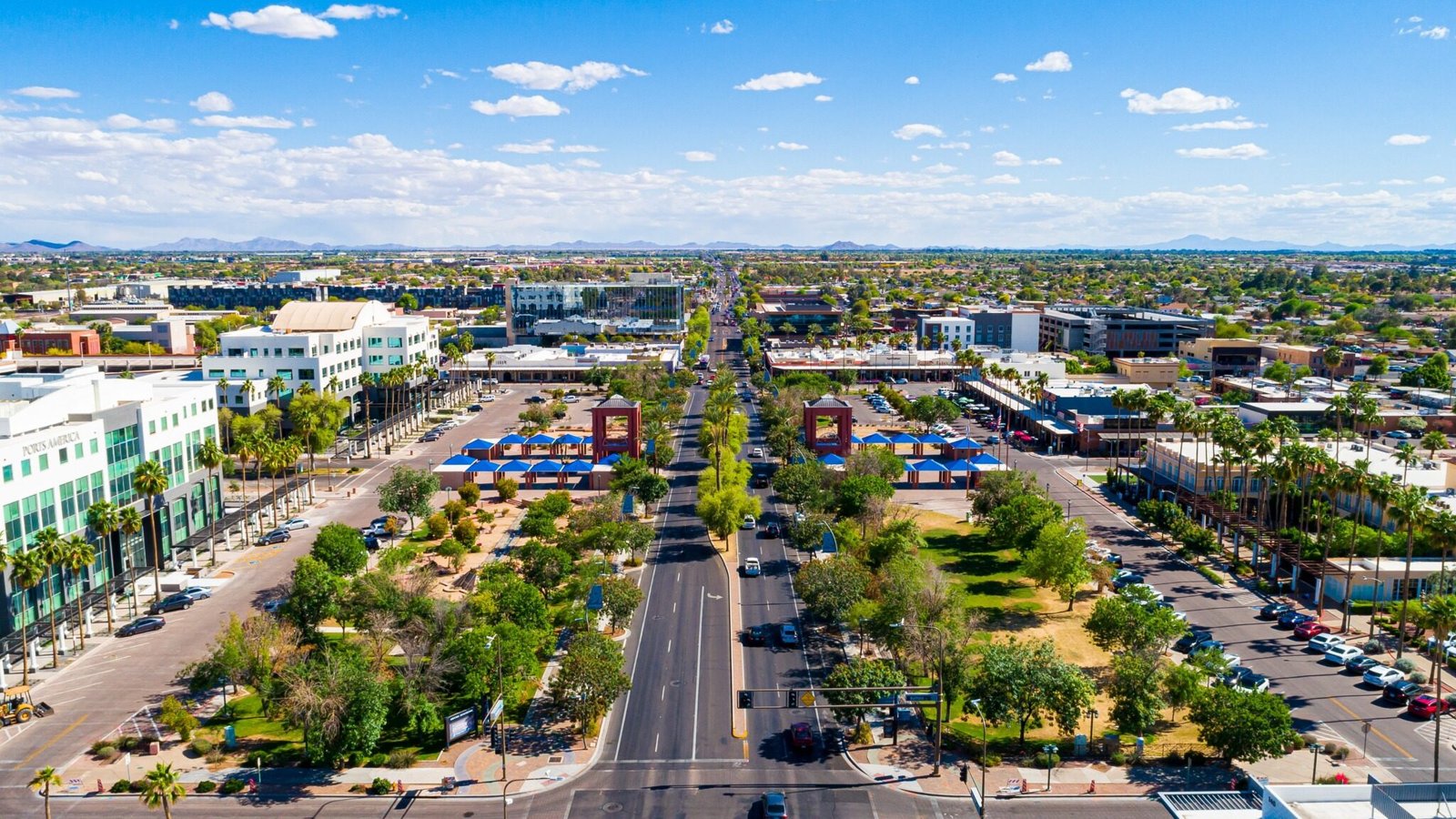
Our local dispatch covers Chandler end to end and reaches across the surrounding East Valley, the Price Corridor tech belt, the historic downtown core, the SanTan Village trade area, and the residential growth spreading south and east. If you’re in the Chandler metro, you’re inside our service radius.
Working a corridor more than a single address? We follow the freeways the East Valley runs on, the Loop 202 Santan, the I-10, and the Loop 101, so corridor and multi-site projects get the same fast turnaround as a one-stop drop.
The questions East Valley crews and organizers really ask
What’s your turnaround on a Chandler delivery?
From dispatch, figure around 45 minutes to most addresses in the East Valley. We also keep a 24/7 line open through heat advisories, so a crew that arrives at an Ocotillo pad to find nothing but a warm cooler on a 112-degree morning can typically have a working station before the lunch break. What shifts the timing is gate access and what power waits on site, give us those two details and we route the drop accordingly.
Does the water actually come out chilled?
It does, chilled and filtered, not one or the other. A chiller built into the trailer works against the onboard tank, so the temperature holds steady across the whole shift, first fill and last alike. We lean on that on purpose: a lukewarm cooler in Chandler gets walked past while people quietly run low, whereas cold water draws a crew back to it all shift. We file chilling under safety, not comfort.
What’s the capacity, and who handles the refills?
The onboard tank holds 300 gallons, somewhere near 2,400 bottle-sized pours. On a hot day with a large crew, our own potable trucks keep it topped up on a cadence we set against your demand, so you never bump into the tank as a hard ceiling. The refills are our job, not yours.
Will a station back up our heat-illness program with OSHA?
Squarely, yes. Accessible potable water on the job is already a federal OSHA requirement, and the proposed national Heat Illness Prevention rule leans toward documented, suitably cool water positioned near the crew. A staged station gives you a fixed, mapped, cold drinking point to reference inside your Heat Illness Prevention Plan and to show an auditor on a Price Corridor walk-through. We don’t author the safety program itself, we deliver the hydration piece it leans on.
Is there an accessible filling option?
Yes, one of the four push-back filling positions is set at wheelchair height, so accessibility is part of the trailer rather than an add-on, whether it lands on a jobsite or a downtown event lawn. The unit also carries a rear large-jug point for coolers and hydration packs and several hose-bib taps for crew tasks.
Do you do events, or is this just for construction?
Both, and events are a big share of our East Valley calendar. For a festival, a 5K, a fair, a youth tournament, or a corporate field day, we can place a single trailer or spread several across the grounds, with the drop and pickup keyed to your run-of-show. Your guests get cold water flowing freely and tidy refill points, and you sidestep the expense and trash pile of single-use cases.
What do you really need on your end to book one?
Really just four: your headcount, how many days you need it, the spot on site where it should land, and the power situation there. The trailer takes one to three 20-amp 120-volt circuits or a single 50-amp 240-volt feed. If it’s a raw lot with no power at all, flag that and we’ll build the fix into the quote.
Is your coverage just central Chandler?
No, we run the wider East Valley. That’s Chandler top to bottom, from downtown and the Price Corridor out to Ocotillo, SanTan Village, Fulton Ranch and Sun Lakes, plus the neighbors: Gilbert, Tempe, Mesa, Queen Creek and Ahwatukee. Multi-site work strung along the Loop 202 Santan, the I-10, or the Loop 101 is everyday for our dispatch.
How does the taste compare to a bottle?
Cleaner, without the chlorine edge tap water sometimes carries. The carbon stage strips the chlorine and the stale notes, so the pour reads neutral and fresh instead of hose-flavored. That’s not a small thing, the trailer only earns its keep if people would rather drink from it than from a warm bottle, so we count taste as part of whether the hydration plan actually works.
How many workers will one trailer cover?
Quite a few, since the constraint is how often we refill, not the tap itself. Four positions keep a crew moving through a break, and the 300-gallon tank runs roughly 2,400 sixteen-ounce pours between top-offs. When a Price Corridor crew gets big, we tighten the truck schedule or set a second trailer beside the first, so capacity climbs with your headcount rather than capping it. Tell us your peak number and we’ll match the supply.
Can you roll out on short notice during a heat emergency?
Yes, and it’s a big reason clients save our number. Through heat advisories we keep emergency drops running around the clock and pre-position extra water trucks once the forecast turns ugly. When a Chandler crew turns up to a site with no working hydration on a triple-digit morning, one quick call usually puts cold water on the ground ahead of the worst of the afternoon.
Trusted by the Chandler teams that can’t afford a hydration gap
“We had fifty people on a Price Corridor pad in July and our bottled-water plan collapsed by mid-morning. They had a station on site that afternoon, and the water was genuinely cold. We never went back to pallets.”
“For our downtown Chandler weekend event, the refill stations cut our single-use bottle order to almost nothing and the lines kept moving. Delivery and pickup ran on our schedule, not theirs. Easy decision to rebook.”
“An inspector wanted proof of cool drinking water on tap for a sun-exposed crew on Chandler’s south side. The trailer gave our heat plan a fixed point we could log, and the tanker always beat us to the bottom of the tank.”
Service information current as of June 2026.
Get cold, filtered water on your Chandler site before the next heat wave
Give us your headcount, the dates you need covered, and the spot the trailer should park. We’ll tailor the order and have a unit on the ground anywhere in the East Valley, typically within roughly 45 minutes of dispatch.