Mesa Drinking Water Station Rentals for Job Sites & Events, Open 24/7
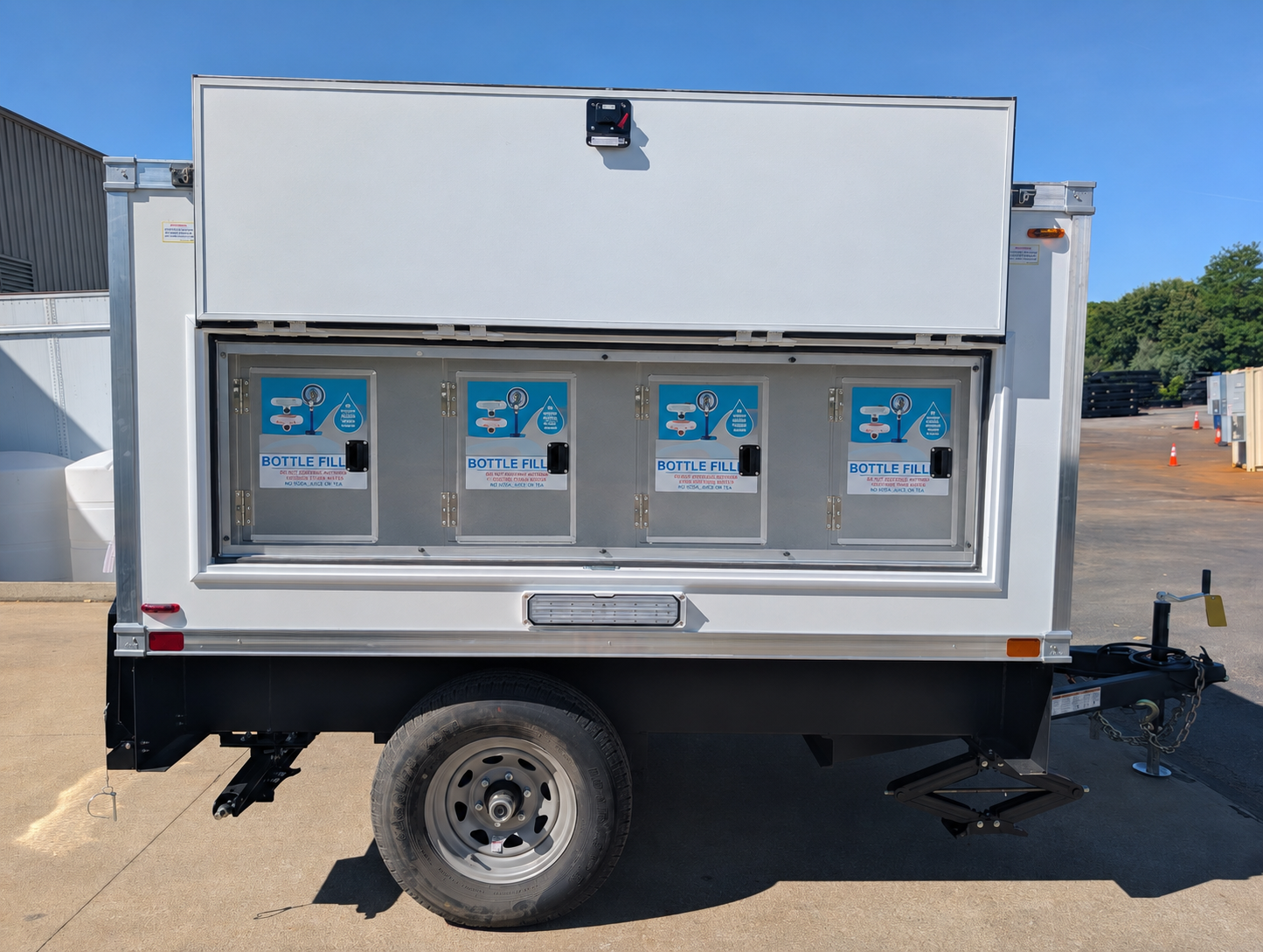
From a Cactus League crowd baking on the Sloan Park berm to a data-center crew out on the Elliot Road corridor, warm bottled water quits on you fast here. So we tow in a self-contained drinking-water station, filtered, flash-chilled, and topping itself off all day, keeping guests and crews supplied so your event or build never stalls for a water run.
- ~45-minute East Valley delivery
- Four-stage filtered, then chilled
- ADA bottle filling
- ADOSH heat-safe hydration
- Licensed & insured
- Open 24/7 for emergencies
Cold drinking water for Mesa crews and crowds, all summer long
We deliver cold, filtered drinking water across Mesa and the East Valley for events and job sites, and we keep the station full all day. In a half-million-person city in one of the hottest valleys in the country, running out of cold water isn’t an inconvenience, it can halt a job or worse. Our stations go out to the crews that can’t send everyone home when the asphalt hits 115: the concrete crews on the Elliot Road tech corridor, the framers raising Eastmark, the event staff running a packed spring-training Saturday. Clients ask us the same things every time: how fast can you arrive, does the last pour of the shift stay cold, and what’s the plan when a tank empties at quitting time on a Friday. We have answers for all of them.
Fast delivery across the East Valley
Count on roughly 45 minutes between dispatch and a typical Mesa-area address. And whenever a heat advisory is up, our phone stays staffed all night for urgent runs (that 2 a.m. call is the one I built the whole operation to answer). The instant a Gateway-area super discovers at sunup that his 70-strong crew has only a warm cooler waiting, getting there fast decides the whole day.
Water that stays genuinely cold
Every unit chills the water it holds onboard, so the final fill at clock-out is every bit as cold as the one drawn at daybreak. Crews ignore tepid water, and water nobody drinks stops nothing. Where July nights here scarcely fall below the low 80s, keeping the water cold genuinely earns its keep on safety, and I’ve watched it decide whether a crew finished a shift on its feet.
Dropped, filled, serviced, pulled
So there’s no bottled-water account, morning ice trip, or separate disposal vendor to line up. We place the trailer, refill it off our own tankers, maintain it across the term, and pull it once you wrap, putting one outfit in charge of the full drinking-water chain on your Mesa job.
I tell every first-time Mesa caller the same thing: water nobody walks over to use isn’t doing any work at all. I’ve seen a full pallet of warm bottles sit ignored while workers quietly slipped toward trouble, and I’ve seen the opposite, a chilled station a few paces from the task that a crew empties twice in a shift. Bridging that distance is the entire job. That’s why we don’t just leave a trailer and disappear. We size the unit to your headcount, calibrate the refill cadence to the demand we’re actually watching, and respond to a heat emergency the way anyone would want, fast, because in an East Valley summer the safety margin is counted in degrees and minutes.
A single road-towable trailer built to work in open Sonoran sun
For Mesa we run a single purpose-built rig: the Signature Series water station trailer. Riding on a full road chassis, it tows directly to wherever the job or the gathering is, whether that’s a grading pad near the Gateway Freeway, the festival lawn behind the Mesa Arts Center, or a solar field out on the Pinal County edge of the metro. Nothing to build, no fixed plumbing to install, just filtered and chilled water flowing the very day it lands.
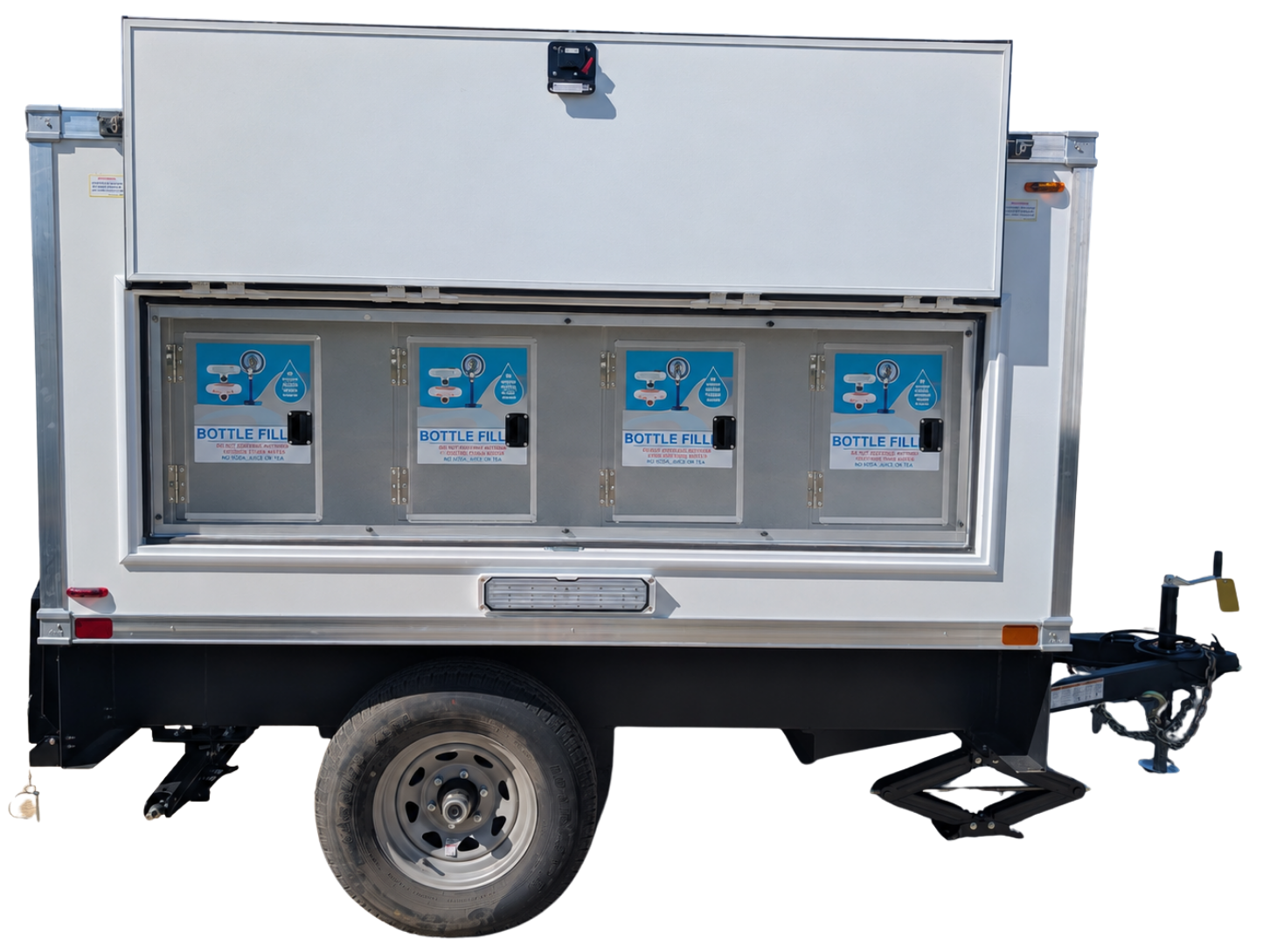
Signature Series specifications
With tires, a hitch, and a true road chassis underneath, it follows the work to any destination, a remote jobsite, an event lawn, an industrial yard, or a disaster staging lot. The reason Mesa contractors and event coordinators ask for this rig by name is simple: it arrives, levels off, and is pouring water the same day it rolls in.
| No. of stations | (4) Bottle Filling Stations |
| Length | 12′ 3″ |
| Weight | 3,100 lbs. |
| Height | 8′ |
| Fresh water tank | 300 Gallons |
| Power requirements | 1–4 dedicated 20A/120V circuits OR 1 dedicated 50A/240V circuit |
| No. of AC units | 1 |
Why this trailer suits Mesa’s heat and distances
Heat and distance drove the Signature’s design at every level. Four filling bays run along one exterior wall under an awning, so an entire crew can move through fast on a break instead of lining up at a single spigot. Meanwhile the onboard AC and integrated chillers hold the water cold even as the body of the trailer cooks in the afternoon sun, which is exactly where coolers and bottled-water setups fall apart in this climate.
That 300-gallon fresh tank sees a substantial crew through a full shift (in our experience it covers a 50-person crew on a punishing day), and since the rig tows, we can reposition it across a sprawling Mesa site or roll it to the next phase of a build without tearing out a fixed install. Because it runs on ordinary jobsite power and accepts a broad range, the identical trailer works a fully built campus or a bare desert lot where we supply the power.
And it delivers more than the four headline fill positions imply: a rear large-jug station services five-gallon coolers and hydration packs, while a bank of hose-bib outlets supports crew tasks, wash-up, and field work. A single trailer answers the whole drinking-water need for a Mesa jobsite or event.
Why one station beats buying bottled water all summer
Put a single 60-person Mesa crew through one summer and the math argues for itself. Figure about six bottles per worker on a triple-digit afternoon, and you’re buying, lugging, icing, and discarding in the neighborhood of 360 plastic bottles each workday.
Carry that out over a 200-day job and the total tops 70,000 bottles, and on the phased construction rising near the Elliot Road data centers it sails past 100,000. A lone station erases that entire heap, delivering cold water on tap with nothing bound for the dumpster.
This is a logistics call before it’s a green one
The environmental angle stands up by itself. Americans throw out roughly 60 million plastic bottles a day, only about a third ever get recycled, and a single bottle can outlive the very building it was drunk on as it sits in a Maricopa County landfill. By all means put that in the sustainability report. Yet most Mesa project managers switch over for a far more mundane reward: the everyday scramble just stops. The standing water order, the cooler gone warm by ten, the stack of empties baking at the gate, all of it vanishes, letting your superintendent manage the build instead of babysitting the water supply.
The supply bends with the workload too, because our own tankers keep the trailer charged up. Bring in twice the crew for a slab pour and nobody out-drinks the plan. We just roll a truck out and bring the level back where it belongs. I remember a Gilbert pour last August where the crew swelled overnight, and a single extra fill kept them covered without anyone noticing the bump.
Hydration shaped to the way the East Valley actually runs
There’s no single hydration problem in Mesa, there are a dozen of them. A hyperscale data-center build over on the Gateway side calls for one thing, a 15,000-seat spring-training afternoon at Sloan Park calls for another, and a Fourth-of-July throng filling Downtown Mesa calls for something else again. Below is where these stations prove themselves.
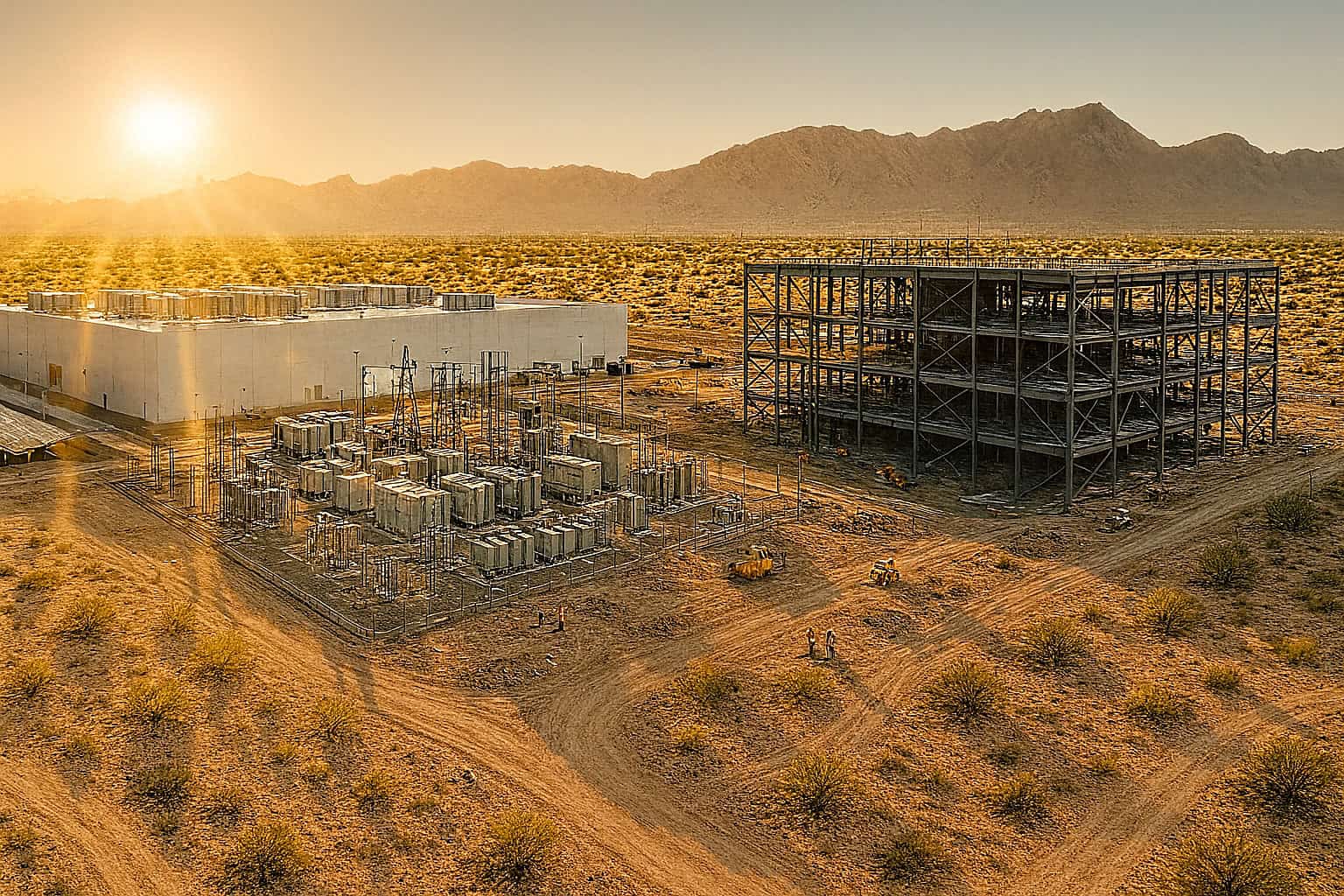
Construction, data centers & the Eastmark build-out
What powers Mesa’s expansion is large crews out in open sun: the Meta and Google data centers going up along the Elliot Road tech corridor, the Apple command center close by, the houses filling Eastmark’s 3,200 acres, and the industrial parks pushing toward the Gateway Freeway and SR 24. Our stations are positioned across these projects so that general and trade contractors always have documented cold water a few steps from each work face.
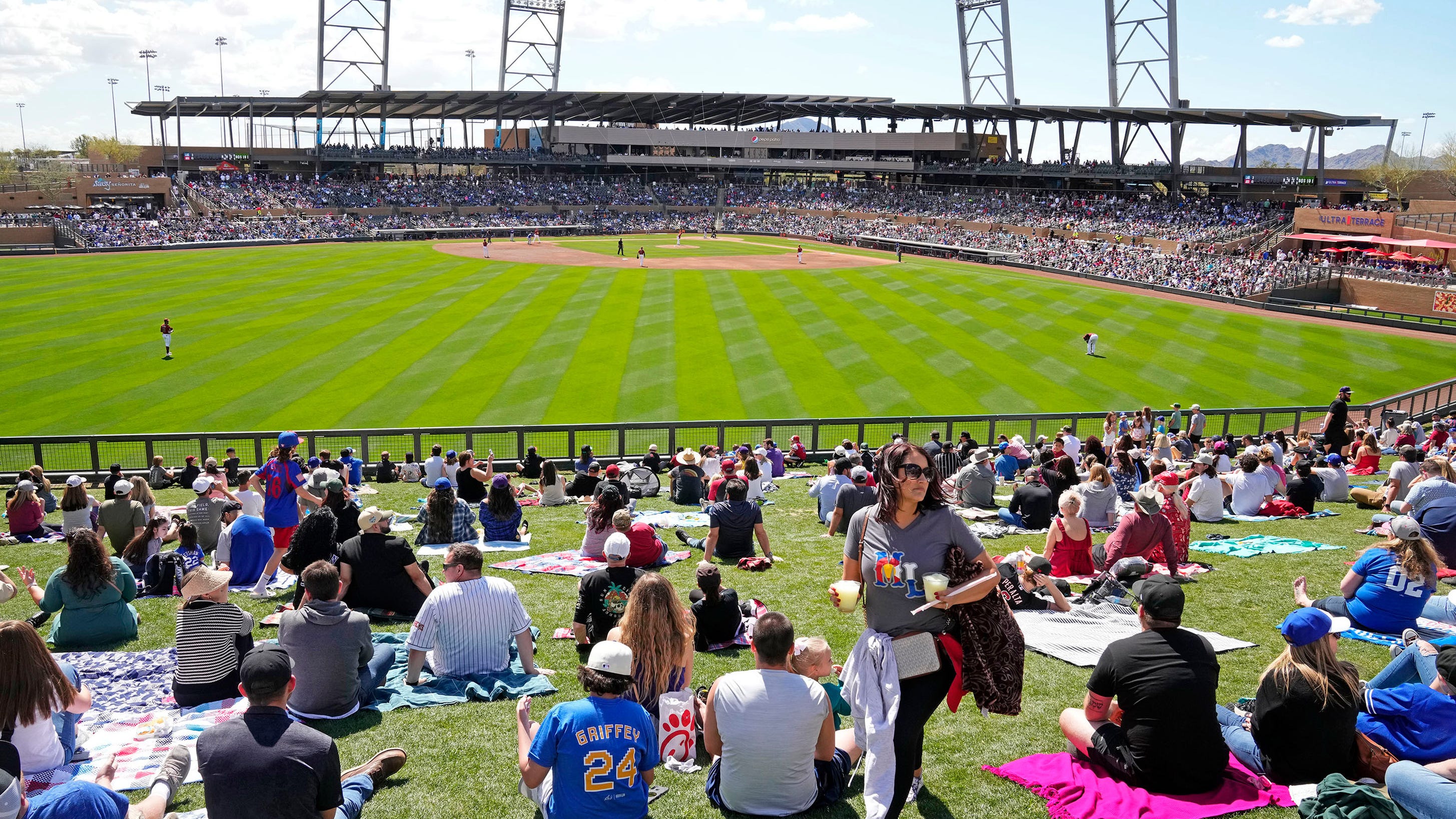
Cactus League, festivals & downtown events
Cubs games at Sloan Park pull the largest spring-training crowds in the sport, the A’s fill Hohokam Stadium, and Downtown Mesa swells for the Arizona Celebration of Freedom, the Mesa Music Festival, and the Mesa Amphitheatre season. Crowds outdoors here go through water quickly. A station hands organizers steady cold water and tidy refill points while sparing them the chore of trucking in and carting away a mountain of single-use plastic (and inside a 15,000-seat ballpark, that mountain builds in a hurry).
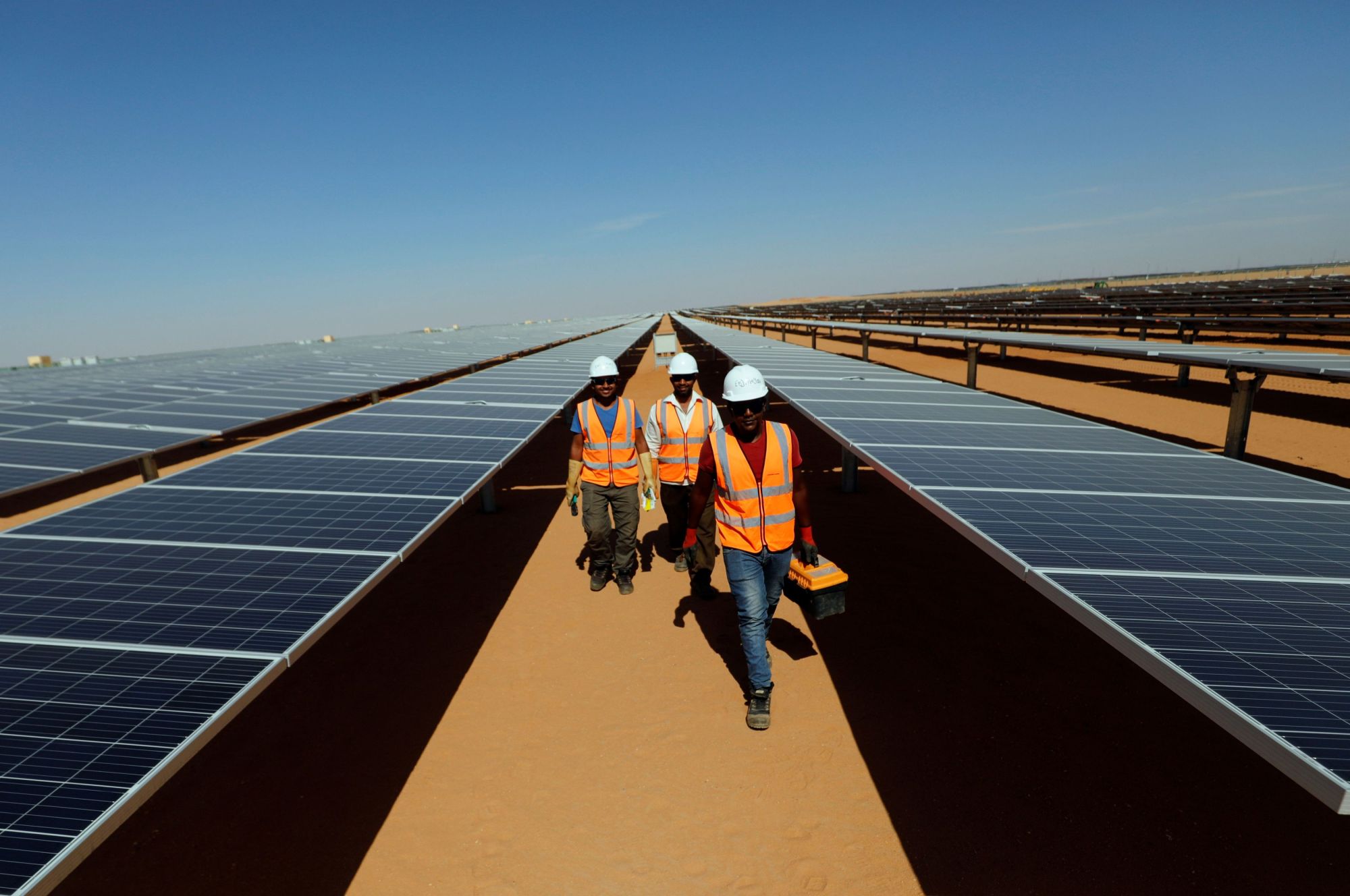
Aerospace yards, solar & outdoor labor
The Boeing line at Falcon Field, the aerospace shops gathered around the airport, plus the solar installers and landscapers working the metro’s outer fringes, all of it ranks among the most heat-battered labor you’ll find. Thanks to the onboard jug-fill bay and hose-bib taps, field crews top off coolers and personal gear right where they’re working, with no trek back to the truck.
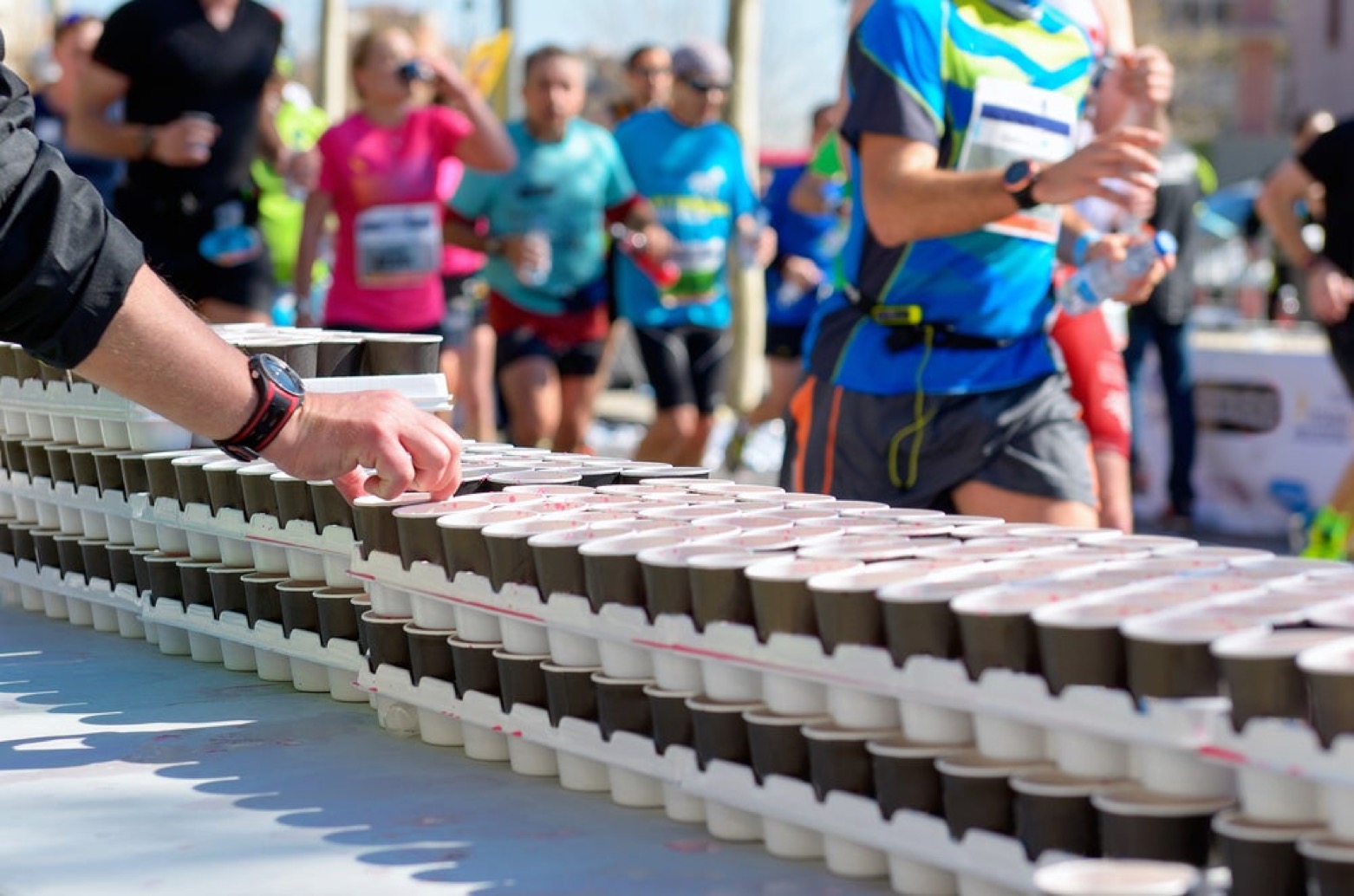
Races, ballfields & emergency response
The Mesa Marathon, the tournament complexes, and the outdoor practice fields each leave people under the sun for hours at a stretch. A towable station parks exactly where the spectators or the athletes congregate. And should a heat emergency or a ruptured main hit an East Valley neighborhood, we can roll potable-water stations out to cooling centers and base camps on short notice.
Treated through four stages, disinfected, chilled, then poured
A station earns its rental only when people genuinely choose to drink from it. That’s why ours run municipal water through the entire treatment train and a UV chamber before passing it to a built-in chiller. So the water leaving the nozzle tastes clean and pours truly cold even on Mesa’s ugliest afternoon (the 116-degree days when nothing else on the lot stays cold).
Sediment stage
The opening filter catches grit, rust flecks, and fine particulate that East Valley mains shed, clearing it out before the water continues down the line.
Carbon stage
Here activated carbon strips away chlorine along with stale odors. More often than not, this lone step is what determines whether a crew drains the station or walks past it.
Micro-particulate stage
A dedicated polishing cartridge traps the microscopic particles still riding the water, safeguarding everyone who fills up at the tap.
UV disinfection
The final safeguard relies on light rather than chemistry: a UV chamber neutralizes bacteria and pathogens in the instant before the water hits the nozzle.
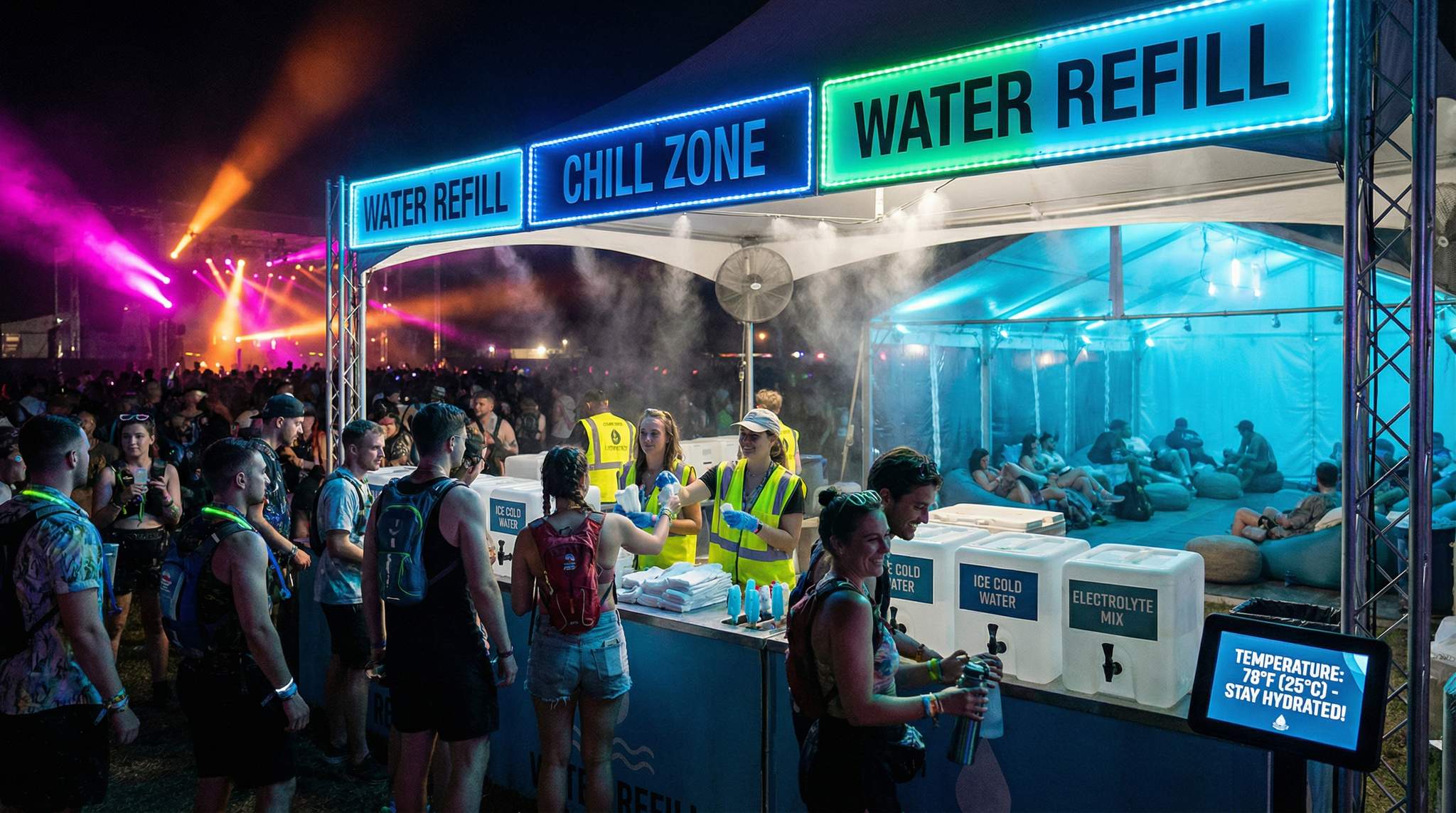
Three ways to fill, ADA height included
At the front sit four push-back filling bays with adjustable nozzles, just press a bottle to the bar and the water runs. One of those bays is set at a height that meets ADA access, so the single trailer serves everyone on site without a second rig. At the rear, a large-jug bay handles five-gallon coolers and hydration packs, and a line of hose-bib taps supplies general work, event support, and field crews. I’ve filled a landscaper’s jug and a caterer’s prep tank off those rear taps on the same afternoon. Every wetted component from inlet through nozzle is food-grade stainless, and that’s what preserves the filtered-and-chilled quality right up to the pour.
The 300-gallon reserve on one trailer translates to roughly 2,400 sixteen-ounce fills, and since we top off on demand, the tap seldom becomes the bottleneck during a grueling Mesa shift or a packed event day.
We tow it in, fill it, and hook it up, usually pouring cold inside the hour
Coordinating none of it falls to your team. We set the trailer in place, fill the tank, wire up the power, and walk your crew through the essentials before the driver heads out.
Tell us four things
Headcount, duration, the parking spot for the trailer, and the power available on site. With those four answers we can spec the job right on the first pass.
We roll out to the site
Plan on about 45 minutes between the dispatch call and most Mesa metro addresses, plus emergency runs at any hour the second a heat advisory is issued.
We level, fill, and wire it
The driver levels the unit, loads the 300-gallon tank with fresh water, and connects to your power, be it several 20-amp 120-volt circuits or one 50-amp 240-volt feed.
We keep it pouring
After that our tankers refill on a schedule matched to your demand, and we maintain the unit start to finish across the full rental window.
Remote desert pad with no generator? We sort it out in the quote. Given how little power the trailer draws and the support fleet behind it, we’ve run stations on lots that had no permanent power whatsoever. I once kept a unit pouring for a week off a contractor’s spare generator on a pad that was nothing but graded dirt and a survey stake. Describe what’s on site and we’ll build the rest of the plan around it.
In Arizona, accessible cold water is a documented safety duty, not a nicety
The metro Mesa belongs to averages somewhere near 111 days each year at 100 degrees or hotter, and 2024 broke records with 113 consecutive 100-plus days. Arizona, unlike most states, operates its own approved safety plan, ADOSH, the Arizona Division of Occupational Safety and Health, which falls under the Industrial Commission and polices workplace safety here in place of federal OSHA. The federal potable-water requirement in 29 CFR 1926.51 remains the baseline, and ADOSH has launched an active heat State Emphasis Program aimed squarely at heat dangers on Arizona job sites.
Where Arizona’s heat guidance gets concrete, a water station meets it head-on: cool drinking water about every 15 to 20 minutes, electrolytes once a worker has put in roughly an hour at 90 degrees or above, and water kept within 400 feet of where the crew is laboring. A station converts those requirements into something you can chart and show an inspector, forming the spine of a defensible Heat Illness Prevention Plan.
- Steady access to appropriately cool, potable water right where the work happens
- A stationary, mapped hydration point well within the 400-foot threshold
- On-paper infrastructure that your HIPP and ADOSH files can point to
- Backs scheduled water breaks and acclimatization for crews exposed to heat
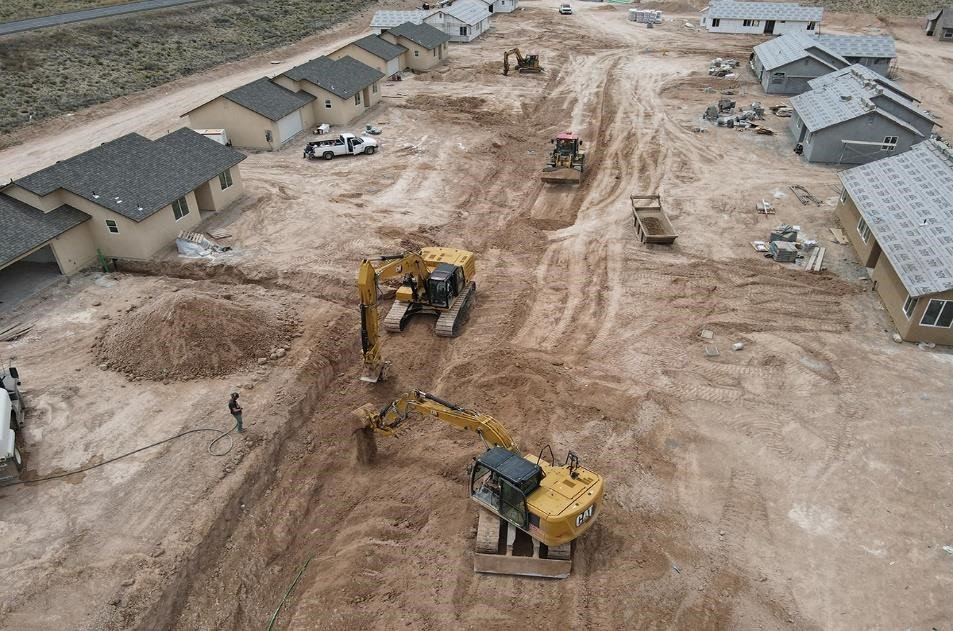
What years of Mesa summers taught us about staging water
Setting up stations across the East Valley year after year has shaped the way we handle every job. Here are a handful of the lessons that hit home hardest:
Early on it became clear that where you put the trailer counts as much as the trailer itself. At one Gateway-area warehouse build we parked a station by the entrance on the first day and watched it go barely touched, because the live work sat about 340 feet back into the pad and nobody fancied the walk on a hot break. The following morning we shifted it right against the work face, and by lunch usage had doubled. The super said it plainly: “Make the water closer than the shade and they’ll drink it. Otherwise they’ll just tough it out, and that’s when somebody goes down.”
We also figured out that refills should track the forecast rather than the calendar. Through one July advisory we had three spare water trucks pre-positioned, and when sites all along the Loop 202 Santan rang the same afternoon, we got to every one without a single crew running dry. That evening the site safety lead told us the crew never felt a gap, because the refill landed ahead of the moment anyone would have flagged it. That head start is now standard in every hot-season agreement we sign across Mesa.
Another thing we discovered is that the bottled-water habit hangs on stubbornly until people feel the contrast. On an Eastmark grading job, the superintendent was skeptical we could hold 300 gallons truly cold on an open desert lot. We showed up, tuned the refill rhythm, and within six days he rang to add a second unit. “The crew stopped asking for ice,” he said, “and I stopped getting the 2 p.m. complaints.” Cold water that holds its cold is the whole argument, and in this valley it closes itself the day it arrives.
So each of those calls hammered home the very thing the heat does: hydration in Mesa isn’t a line item you arrange once and forget. It’s an operation, and we run it as one for the full length of every rental, whether that’s a three-day festival behind the Mesa Arts Center or a nine-month build on the tech corridor. The lesson that landed deepest, though, came from a foreman on the US-60 widening who watched a new hire wave off the water twice before noon and told me flat, “I don’t lose people to the work out here. I lose them to the heat, and it’s always the ones who think they’re fine.”
When the crowd is outside and the sun won’t quit
Event crews out here build their plans around heat the same way coastal organizers build theirs around rain. Be it a Cactus League Saturday, a downtown street fair, a charity run leaving from Downtown Mesa, or a corporate field day at a Gateway-area resort, a self-contained station gives attendees steady cold water and clean refill points. It also frees your team from hauling in, icing down, and dragging out a wall of single-use plastic.
We’re able to set several stations across a sizable footprint so nobody is ever stuck far from water, with our crew managing delivery and pickup to fit your event schedule. We picked up that lesson the hard way during a downtown music night, where one station by the main stage had a line 38 people deep by mid-evening, heat plus a few thousand attendees adds up fast. The next year we spread four units around the grounds and the lines vanished. At teardown the organizer pulled me aside: “Last year I got complaints. This year nobody mentioned the water at all, which is exactly what I wanted.” To your guests it feels like hospitality. To your operations lead, it’s risk management.
Why planning hydration here is harder than almost anywhere
A hot stretch in most cities lasts a week or two. In Mesa it runs for months on end, and the crews building the East Valley’s future are out laboring through all of it.
An ordinary Mesa year clears well over a hundred days hitting 100 degrees or more, with extended July and August spells where the overnight low refuses to fall below the low 80s. In 2024 the metro had its hottest summer ever recorded, posting 113 straight 100-plus days and dozens that topped 110. Across Maricopa County more than 600 heat-related deaths were tallied that year, most of them outdoors, and a man lost his life on a Mesa sidewalk on a 118-degree day. Because surface temperatures on fresh asphalt and bare concrete soar well past the air reading, a crew can be in real heat-illness danger by mid-morning while the gauge still reads just 102. Out in that environment cold water isn’t a comfort. It’s the cheapest piece of safety equipment anywhere on the site.
The thing that makes planning so brutal is how long the hazard window stays open. A contractor in a gentler climate can outlast a heat spike with a few extra coolers. A Mesa contractor on a six-month summer schedule can’t ice-and-cooler their way through it, the volume is too great, the water warms too quickly, and the labor of hauling, icing, and tossing bottled water stacks up day after day. The only arrangement that survives a complete East Valley summer without turning into its own logistics headache is a centralized, self-chilling station.
Demand keeps rising as well, since Mesa sits in the thick of a once-in-a-generation build-out. On the city’s southeast flank, the Elliot Road technology corridor has pulled in some of the biggest private investment in Arizona’s history, a Meta data-center campus spanning millions of square feet, a Google site on its own broad parcel (around 180 acres at Elliot and Sossaman), and an Apple command center right beside it. Eastmark keeps filling thousands of homes on the former GM proving grounds (3,200 acres now home to tens of thousands of residents), while industrial parks march toward the Gateway Freeway and SR 24. Each of those sites stations hundreds of workers under open desert sun, often on shifts beginning before dawn precisely to get ahead of the afternoon.
Our Mesa dispatch was built around that exact rhythm. From the time we first began positioning units along the US-60 Superstition Freeway and the Loop 202 corridors, we tied refills to crew size instead of a set calendar and folded in emergency drops during advisories. On an East Valley megaproject, a hydration gap does more than slow progress, it can halt the work entirely and land someone in an ambulance.
Beyond the station: the trucks that keep a Mesa site supplied
The station is what you see. Backing it up is a support fleet that brings fresh water in, stores it on site, and carts waste away. But that back-end is the part clients rarely picture, so I’ll spell it out: a single phone call handles the whole cycle rather than juggling three separate vendors.
Potable water trucks
Every Mesa station is backed by a tanker route. Our potable trucks deliver drinking-grade water to the site in volume and keep the trailer’s tank full on a schedule we match to your headcount, ramping it up for a concrete day and dialing it back during a slow stretch. Those same trucks refill cisterns, on-site tanks, and bladder bags any time one drop won’t meet the demand.
Bladder bags & buffer supply
Out on a distant Gateway pad, projects get caught short in the stretch between truck visits. A flexible water bladder bridges it, stockpiling spare fresh supply for the busiest hours or capturing used water when the lot offers nowhere to drain. It’s the unsung component that keeps a far-flung East Valley site running between deliveries.
Pump trucks
Certain Mesa sites stretch so wide that the fill point and the station end up a quarter-mile apart. A pump truck spans that distance, hauling and transferring water across the footprint, drawing a tank down, or shifting supply to wherever the next phase begins. On a large jobsite, that mobility is precisely why it earns a spot on the call sheet.
Vacuum & waste trucks
Whatever goes in has to come back out eventually. Our vacuum trucks suction and transport greywater and wastewater to permitted disposal, making the used water our responsibility instead of a headache dumped on your superintendent. That final link comes with the package from day one, never tacked on as an upsell once the tank fills.
These pieces are built to fit together. A bare desert lot might run a station, a bladder for buffer, and a recurring truck fill. A sold-out Cactus League weekend might call for a pump truck moving supply around and a vacuum pickup at teardown. Lay out the shape of your Mesa project and we’ll put together the mix, one number to ring, one invoice, one crew that already knows the lot.
The four answers that shape your quote, and why each one matters
A quick two-minute call is all it takes to get an accurate quote. Below is what we’ll ask, so you can have it on hand, and so you can see how we tailor each job rather than shoving one default trailer at every situation.
What drives the recommendation
- How many people? Supplying a 15-person framing crew is a wholly different task than supplying a 12,000-fan Sloan Park afternoon. The headcount drives both how many stations you need and how aggressively we run the refill schedule.
- How long? A two-day festival, a three-week pour, and a nine-month data-center build each demand their own service cadence. Short jobs lean on buffer storage. Long ones lean on a recurring tanker route.
- Where will it sit? Since the Signature tows, it can park in a yard, a lot, a ballfield, or a corridor staging zone. Give us the spot and the route a truck would take, and we’ll place it where people genuinely walk rather than wherever happens to be easy to drop.
- What power is on site? All it needs is a few 20-amp circuits or a single 50-amp feed. Bare desert pads with no permanent power show up constantly in Mesa and pose no problem, we just want the heads-up ahead of delivery day.
The details that make it perfect
- The precise spot on the site where the station should live, plus how a delivery truck gets to it
- Whether your crews are scattered across a footprint or grouped at a single work face
- Any heat-illness paperwork your safety program needs the station to back up
- Whether bulk water delivery, bladder storage, or waste pickup should be folded into the same job
The costs a pallet of bottled water keeps off the invoice
On a purchase order, bottled water reads as cheap. The true cost is buried in the labor, the staging space, the warm-up, and the waste, and here in Mesa each of those line items burns hotter than it would in a milder place.
The labor no one puts in the budget
Somebody has to place the bottled-water order, receive the pallets, break them apart, ice the coolers every morning, restock all day long, and crush the empties for the trash. On a sizable Mesa crew that adds up to hours of paid labor daily, labor siphoned right off the actual build. A station wipes that entire chore away. When we worked through the figures with one East Valley contractor, the labor savings by themselves paid for the rental. “I had no idea the bottles were costing me the better part of a day’s payroll a week,” he said afterward, “and that’s before the truck I had to send for ice every morning.” The trailer arrives full, refills itself off our trucks, and demands nothing from your superintendent beyond somewhere to park.
The warm-up problem
A cooler that was iced cold at 6 a.m. turns bath-temperature by 10 during a Mesa July. Warm water is water people quit reaching for, and the instant a crew stops drinking is the instant heat illness begins to set in. A station with onboard chilling has no warm-up curve at all. Its quitting-time pour matches the chill of the dawn pour (and across a 14-hour summer day, that final hour is exactly when a worn-out, overheated crew needs it most). As one safety manager put it to me, “My incidents always clustered in the back half of the shift. Cold water at hour twelve changed that more than any training video did.”
The staging and footprint tax
Pallets of bottled water eat up staging space, choke laydown areas, and cook in the sun until somebody uses them. The empties accumulate faster than anyone hauls them off, and on a cramped infill site in Downtown Mesa or a packed event footprint that mess becomes a headache all its own. A single trailer takes one parking spot and supplies the drinking water for a crew or a crowd that would otherwise tear through hundreds of bottles a day.
The waste that trails the project
Each bottle you purchase is a bottle headed for the trash, and a busy site racks up a mountain of them over a summer. That means disposal cost, a blemish on the sustainability report, and, in a county where a tossed bottle can persist for centuries, a footprint that outlasts the building itself. Moving to a refill station zeros out that line and gives your reporting a figure actually worth printing.
Staging cold water across Mesa and the whole East Valley
Our local dispatch spans Mesa and the wider East Valley across its whole spread, taking in the tech corridor and the Gateway side, the historic core, and the foothill and ranch neighborhoods all the same. The short version: if you’re anywhere in the East Valley, you fall inside the area we serve.
Dobson RanchRed MountainFalcon Field
Mesa GatewaySuperstition SpringsTempe
GilbertChandlerQueen Creek
Apache JunctionSan Tan Valley
Running a corridor rather than one fixed address? We trace the freeways that hold the East Valley together, the US-60 Superstition, the Loop 202 Red Mountain and Santan, the Loop 101 Price, and SR 24 reaching out to Gateway, so corridor and multi-site jobs see the same quick turnaround a single street address would.
The questions East Valley crews and organizers actually ask
How quickly can a station reach my Mesa jobsite?
For most addresses around the Mesa metro, expect roughly 45 minutes between our dispatch and arrival. When a heat advisory is active we add emergency drop-offs at all hours, so a crew that turns up to a bone-dry site on a 113-degree morning can usually have a station flowing well before midday. Site access and on-site power are the genuine variables here, so paint us that picture and we’ll arrange the delivery to fit.
Is it truly chilled, or only filtered?
Both at once, and it’s the cold half that carries the safety load. A built-in chiller drops the temperature and keeps it there from the opening pour at sunup through the final one at dusk. We rely on that on purpose, since a Mesa crew will stroll right past lukewarm water and drift quietly toward trouble, whereas cold water actually gets consumed. Out here, regarding the chiller as safety equipment instead of a luxury is the entire idea.
What’s the tank capacity, and what happens once it’s drawn down?
A Signature carries 300 gallons, which comes out to around 2,400 sixteen-ounce fills. Whenever a crew runs large or a Cactus League weekend packs in, our tankers keep that tank charged on a rhythm we shape to your real demand, so the figure printed on the tank is never the cap. Working out the refill timing is our job, not your team’s.
Does a station help with Arizona’s heat-illness rules?
It backs them directly. Through ADOSH rather than federal OSHA, Arizona operates its own approved safety plan, while the federal potable-water rule in 29 CFR 1926.51 still establishes the baseline. The state’s heat guidance asks for cool water about every 15 to 20 minutes and water kept within roughly 400 feet of the work. A station gives you a stationary, mapped, cold hydration point you can cite in your Heat Illness Prevention Plan and present to an inspector. Drafting the safety program falls to you. Furnishing the hydration spine it rests on is our part.
Is there an ADA-height fill position?
They are. Among the four push-back filling positions on every trailer, one is mounted at an ADA-accessible height, so no one at your Mesa event or on your crew needs a separate setup to get to the water. At the rear there’s also a large-jug fill point for five-gallon coolers and packs, plus a row of hose-bib taps for general crew tasks.
Can you cover a big outdoor event as well as a construction site?
Definitely. Events make up a big share of our East Valley work. Whether it’s a spring-training weekend, a festival, a race, or a corporate gathering, we can place a single station or several across a broad footprint, scheduling delivery and pickup around your run-of-show. Your guests get easy access to cold water and neat refill points, while you skip both the cost and the plastic clutter of trucking cases of bottles in and back out.
What information do you need to get a station scheduled?
Four fast details: your headcount, how long you’ll need the station, the spot on the site where it belongs, and the power on hand. On power, the Signature runs on either a handful of 20-amp 120-volt circuits or a single 50-amp 240-volt feed. Nothing available on a remote desert pad? Let us know and a workaround drops right into the quote.
Do you only serve central Mesa, or the wider East Valley?
The whole East Valley, not just its center. Dispatch covers Mesa proper and carries right on into Tempe, Gilbert, Chandler, Queen Creek, Apache Junction, and San Tan Valley. Corridor jobs are routine for us, whether along the US-60 Superstition, the Red Mountain and Santan legs of the Loop 202, or SR 24 reaching toward the Gateway side, so a multi-site project poses us no more trouble than one address does.
How does the taste stack up against bottled?
Clean and even, with none of that chlorine bite. The carbon stage removes the chlorine and the off-flavors East Valley tap water sometimes carries, so what pours from the nozzle comes across as fresh rather than like a garden hose. That counts for more than you’d guess. A station works only when people honestly like drinking from it, which is why we count taste as part of the safety picture instead of an afterthought.
How big a crew can one trailer keep hydrated?
Many more than folks assume, because the true limit is refill speed, not the number of spigots. The four filling positions move a crew or a crowd through fast, and the 300-gallon tank handles around 2,400 sixteen-ounce pours between top-offs. On very large jobs or events we just tighten the water-truck route or add a second trailer, so a station grows with your headcount rather than capping it. Give us your peak count and we’ll match the supply to it.
Can you roll out fast during a Mesa heat emergency?
Yes, and it’s among the top reasons clients hold onto our number. During heat advisories we run emergency drop-offs at any hour and position spare water trucks in advance whenever the forecast turns hazardous. When a crew meets a 113-degree morning with nothing cold around, a single fast call to us usually lands a station on the lot comfortably ahead of the afternoon peak.
Made for the people who can’t afford to run dry
“Sixty of us were on a July data-center pour near the Gateway, and by 10 a.m. our bottled-water setup had completely collapsed. By that afternoon they’d put a station on the lot, and the water came out honestly cold. Pallets were a thing of the past after that.”
“Over a spring-training weekend at the ballpark, the refill stations dropped our single-use bottle order to next to nothing while the lines never backed up. They scheduled drop-off and pickup around our run-of-show instead of forcing us to bend to theirs. We’ll book again without hesitation.”
“Our safety review demanded documented cold-water access within the 400-foot line for an Eastmark crew. A mapped station delivered precisely that for the HIPP, and the refills always arrived before we ever ran short.”
Service information current as of June 2026.
Get filtered, chilled water on your Mesa site before the next heat wave
Give us your crew or attendee count, the dates you need, and the spot on the site where the station belongs. We’ll match the job to the right setup and have a trailer out to you anywhere in the East Valley, generally within about 45 minutes of dispatch.