
Fullerton Drinking Water Station Rentals for Events & Job Sites, Open 24/7
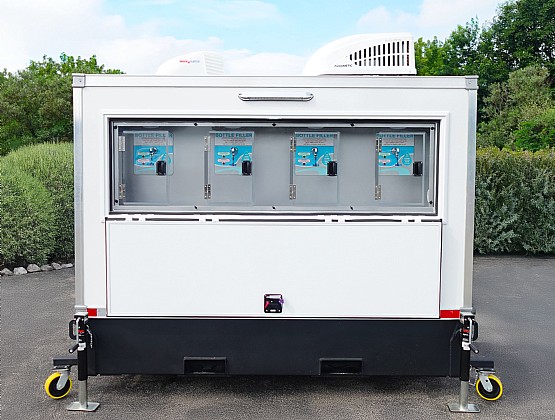
We deliver chilled, filtered drinking water across Fullerton and north Orange County, day or night. Our self-contained trailer tows to your spot, treats and cools its own supply, and keeps the bottle-fillers running from setup to teardown. The same unit serves a grad weekend at Cal State Fullerton, a framing crew off the 91, or a street fair on Harbor Boulevard downtown. North OC bakes harder than the coast once the marine layer burns off, and warm water is the first thing crews and guests quit reaching for.
- ~45-minute north OC delivery
- Chilled, four-stage-filtered water
- ADA bottle filling
- Cal/OSHA §3395 heat-ready
- Licensed & insured
- Open 24/7 for emergencies
Cold, filtered drinking water staged at Fullerton events and worksites, refilled all day long
Across Fullerton and the rest of north Orange County, we set up chilled, filtered water stations and keep the tank topped from the first fill to the last. The summer here runs long and dry, and a worksite or a gathering that runs out of cold water doesn’t just get uncomfortable. It loses momentum, and sometimes it loses people to the shade tent. So our trailers go to the folks who can’t take a break when the sun comes off the asphalt near Orangethorpe: concrete crews on the SR-91 industrial pads, finishers framing infill near downtown, landscape and utility teams who start at sunup to get ahead of the afternoon. Almost every call opens with the same three worries, and we answer each one straight.
On site fast, north OC wide
Most Fullerton-area deliveries arrive within about 45 minutes of the dispatch call, and we handle rush orders around the clock when a heat advisory parks over inland Orange County. A super who finds out at 6 a.m. that a 40-person crew has only a warm cooler needs water now, not by lunch tomorrow.
Cold at 3 p.m., not just 7 a.m.
Each trailer chills its own water, so the afternoon pour comes out as cold as the sunrise pour. Crews walk right past lukewarm water, and water nobody drinks protects nobody from heat illness. On a triple-digit Fullerton July day, that one detail decides whether your hydration plan does anything at all.
Delivered, filled, serviced, hauled
Skip the separate bottled-water account, the dawn ice run, and the waste hauler. We set the station, top it off with our own water trucks, maintain it for the length of the rental, and haul it out when the job wraps, one point of contact for the entire hydration loop on your Fullerton site.
Here’s how I start nearly every first call: water the crew won’t touch is worth about as much as no water at all. I’ve watched shrink-wrapped pallets of warm bottled water cook by a Fullerton gate while the guys quietly drifted toward heat trouble, and I’ve watched a chilled trailer parked ten steps from the work get drained twice before quitting time. The distance between those two mornings is the whole job. That’s why our trucks don’t just set a trailer and leave. We size it to your headcount, time the refills to how fast you actually pull it down, and treat a heat call the way you’d want yours treated. Out here, an hour and a few degrees can be the difference between a clean pour of concrete and somebody riding to St. Jude Medical Center off Harbor.
One road-towable trailer, built for Fullerton work under full inland sun
A single purpose-built rig handles all of north OC for us: the Signature Series water station trailer. It rides on a real road chassis, so it tows straight to the work, a grading pad off the 57, a quad at Fullerton College, a tournament field at the Fullerton Sports Complex. Nothing to assemble, no plumbing to tap into, just cold filtered water on the day it shows up.
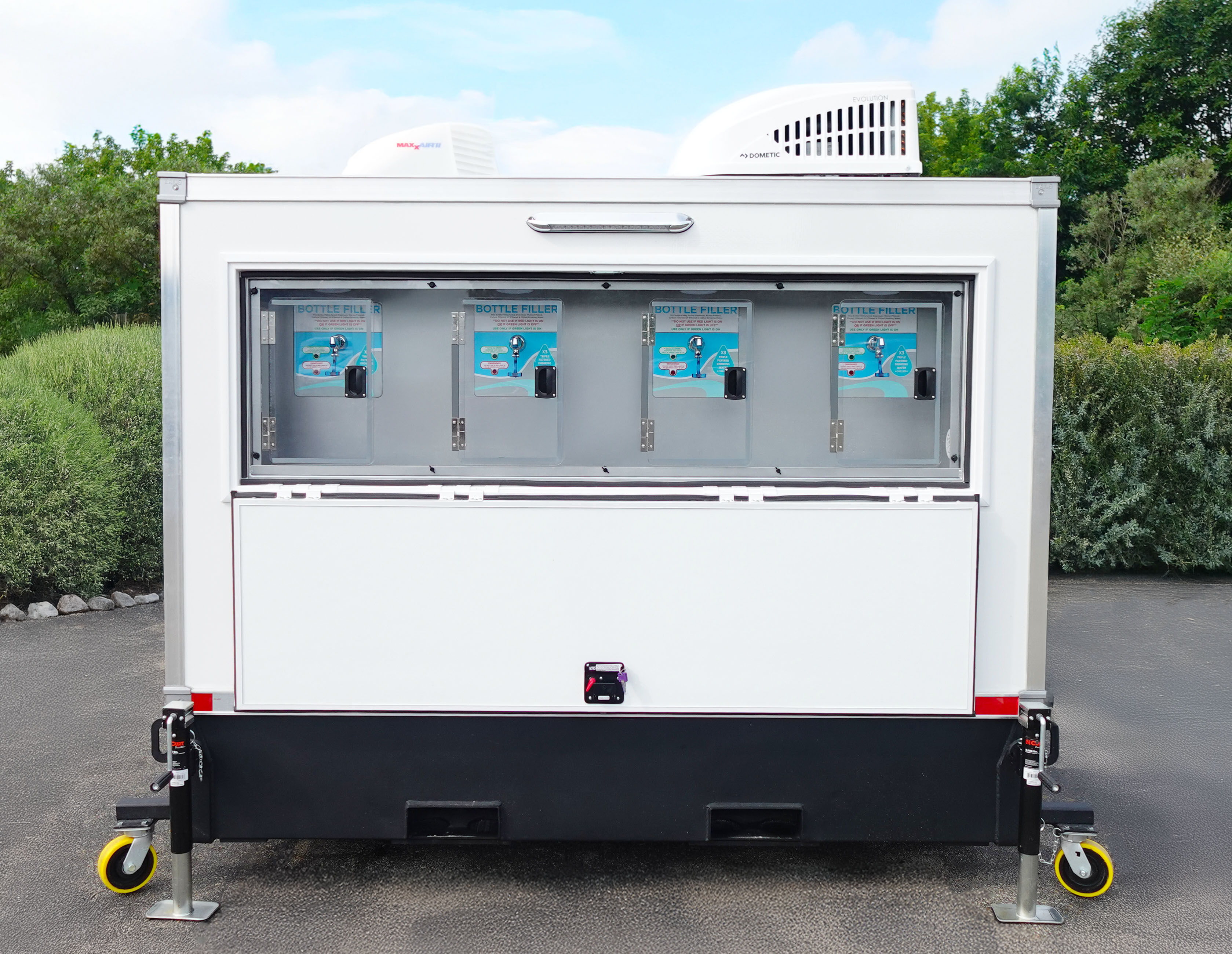
Signature Series specifications
Riding on its own road-rated axle, tires, and hitch, the unit can travel out to a far-flung build, an event lawn, a nursery at the citrus edge, or a disaster staging yard. Contractors and planners around Fullerton request this exact unit, and it backs into place, levels, and pours the same afternoon it shows.
| No. of stations | (4) Bottle Filling Stations |
| Length | 12′ 3″ |
| Weight | 3,100 lbs. |
| Height | 8′ |
| Fresh water tank | 300 Gallons |
| Power requirements | 1–4 dedicated 20A/120V circuits OR 1 dedicated 50A/240V circuit |
| No. of AC units | 1 |
Why this rig fits north OC
Built end to end for heat and for hauling, the Signature lines up four push-back taps along its exterior wall beneath an awning. A whole crew can rotate through quickly on a break rather than bunching at one nozzle. Its built-in AC and chillers keep the water cold even while the trailer bakes in full Fullerton afternoon sun, the precise point where coolers and pallet plans tend to give out around here.
A 300-gallon load gets a solid crew through the day, and since the rig is towable, we can reposition it across a vast SR-91 logistics yard or roll it to the next build phase with no plumbing to disconnect. Because it accepts a broad span of everyday site power, one trailer handles both a finished address near Wilshire Avenue and a bare lot out toward the Placentia line, where we arrange the power on our own.
Those four marquee taps barely scratch it. A rear large-jug spout loads five-gallon coolers and personal packs, and a row of hose-bib taps covers wash-up, crew chores, and grounds duty. So a single trailer settles the entire hydration question for a Fullerton job or gathering. We’ve had one rig serve a downtown infill crew at sunrise and a Hillcrest Park finish line that evening, then shuttle from a CSUF campus project at midday to a Muckenthaler garden event come dusk.
One station against a whole summer of trucked-in bottled water
Put a 50-worker Fullerton crew on the clock for a season and the spreadsheet decides this fast. At six bottles per person on a 96-degree afternoon, that’s about 300 plastic bottles a day to purchase, lug, chill, and throw out, repeated every shift the job runs.
Project that over a 200-day build and you sail past 60,000 bottles, and the bigger warehouse and campus jobs off the 91, the ones that span phases, blow through 100,000. A lone trailer stands in for that whole mountain: tap water that’s cold, and zero load headed for the bin.
A logistics decision first, an environmental one second
None of this discounts the waste angle. Roughly 60 million water bottles get tossed nationwide every day, recycling claims maybe a third of them, and any one bottle can sit in a landfill for generations. Worth a line in the sustainability report, no argument. But when a Fullerton project manager finally pulls the trigger, the reason is usually duller and more practical: the trailer kills the daily fire drill. The standing water order goes away. So does the cooler that’s warm by mid-morning and the heap of empties cooking at the gate. Your super gets to manage the build, not the beverage logistics.
And since we feed the station from our own potable water trucks, the supply follows the labor. Double the crew for a pour near Commonwealth Avenue and they still can’t drain it ahead of us, the tanker simply brings the tank back up.
Hydration shaped to how north OC actually runs its days
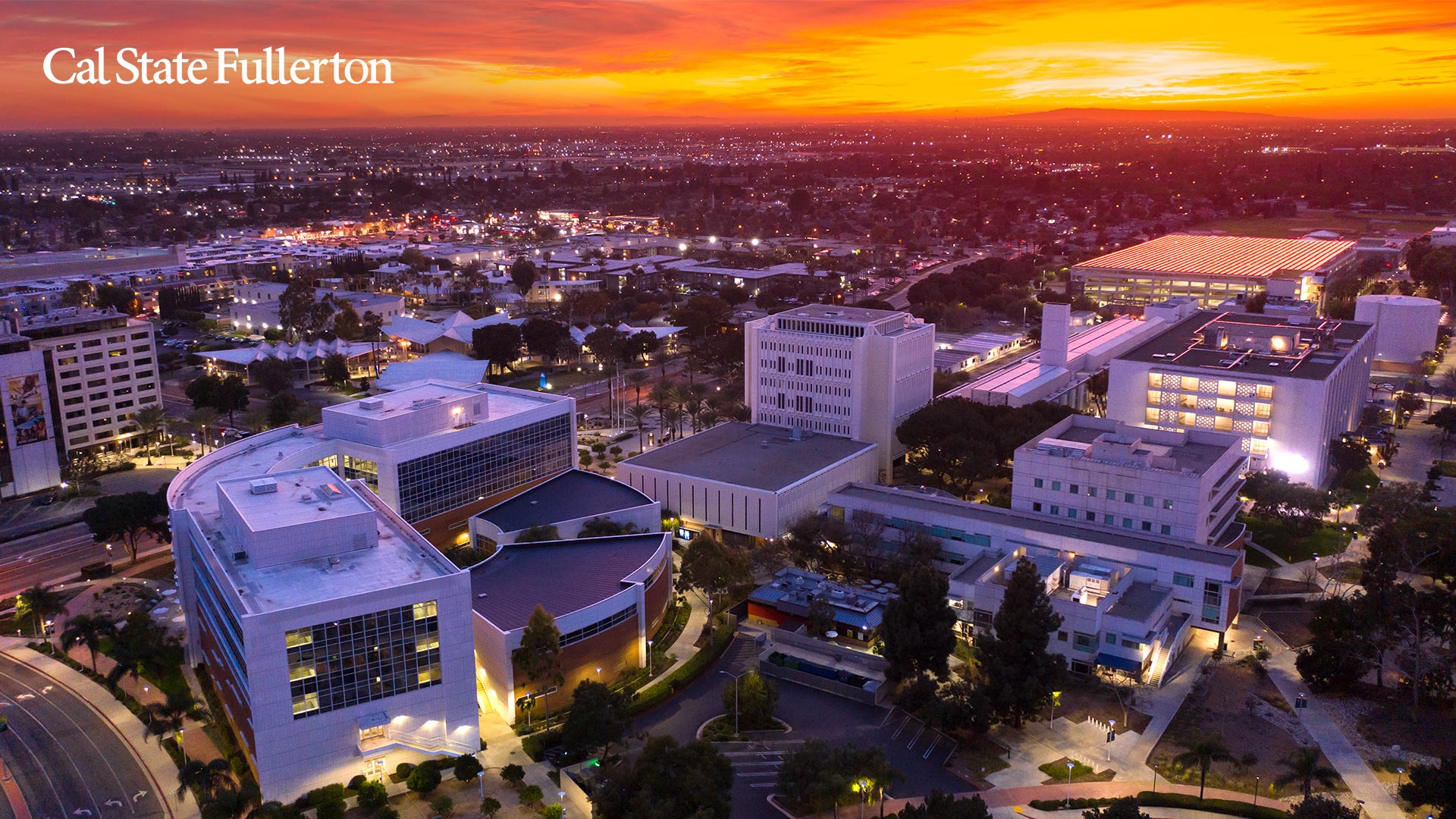
Fullerton doesn’t hand you one hydration problem. It hands you a stack of them. A street fair on Harbor wants one setup, a Titans commencement at CSUF wants another, and a summer warehouse build off the 91 wants a third. That’s where the trailers earn their keep. The same need shows up at the SR-91/SR-57 logistics yards, in the downtown entertainment district, and out along the campus edges of Cal State Fullerton and Fullerton College.
Industrial corridor, warehouses & construction
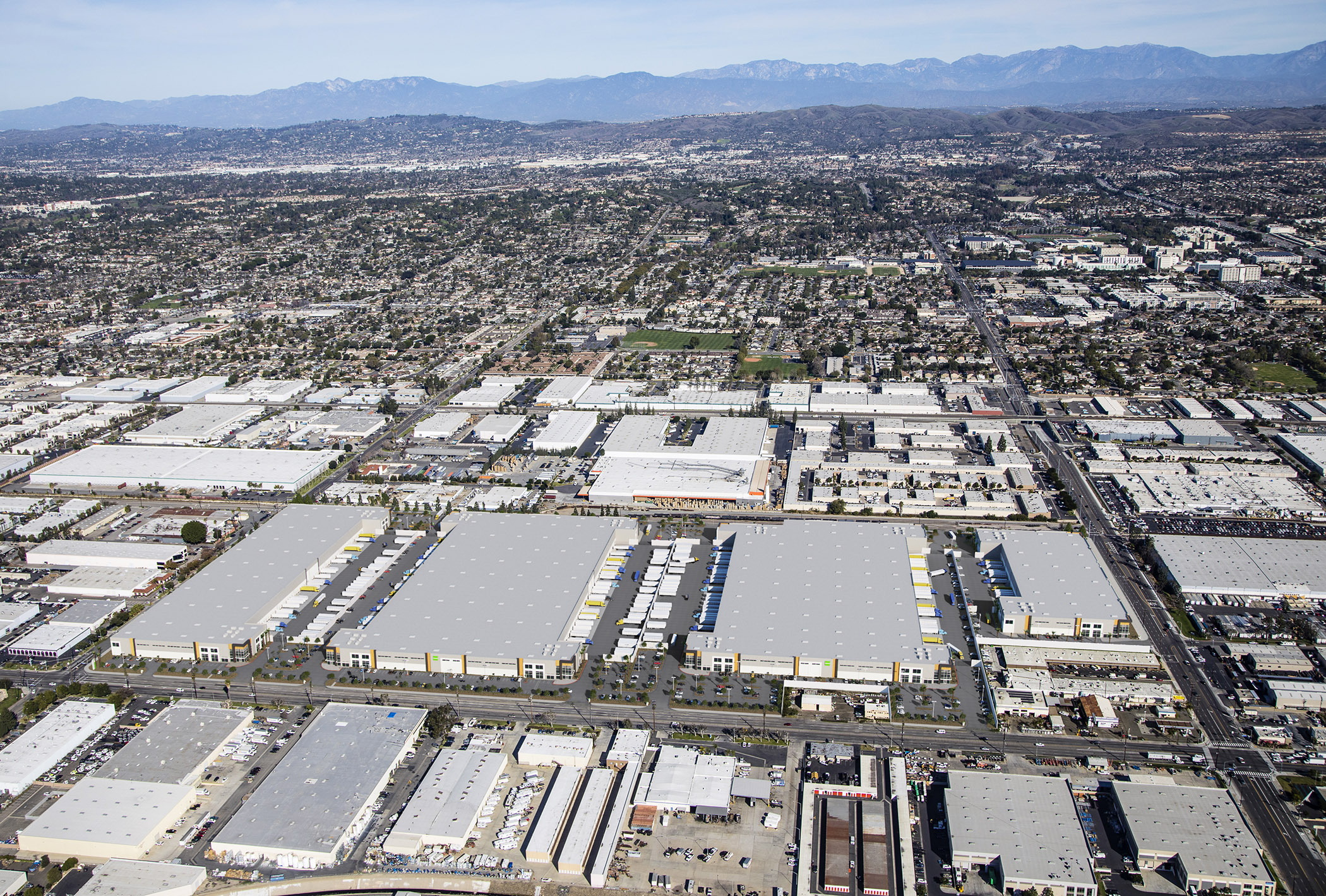
Fullerton carries a deep industrial and aerospace backbone, a legacy of the Hughes and Beckman era that still threads the city’s south end and the corridors off Orangethorpe and Commonwealth. Tie in the warehouse and last-mile depots multiplying toward Anaheim and the SR-91, and you’ve got crews working open ground in full sun. We stage trailers along those belts, from the Raymond Avenue industrial blocks to the lots near the 57, putting documented, on-the-record cold hydration within an easy walk of the work.
Downtown events, fairs, festivals & nightlife
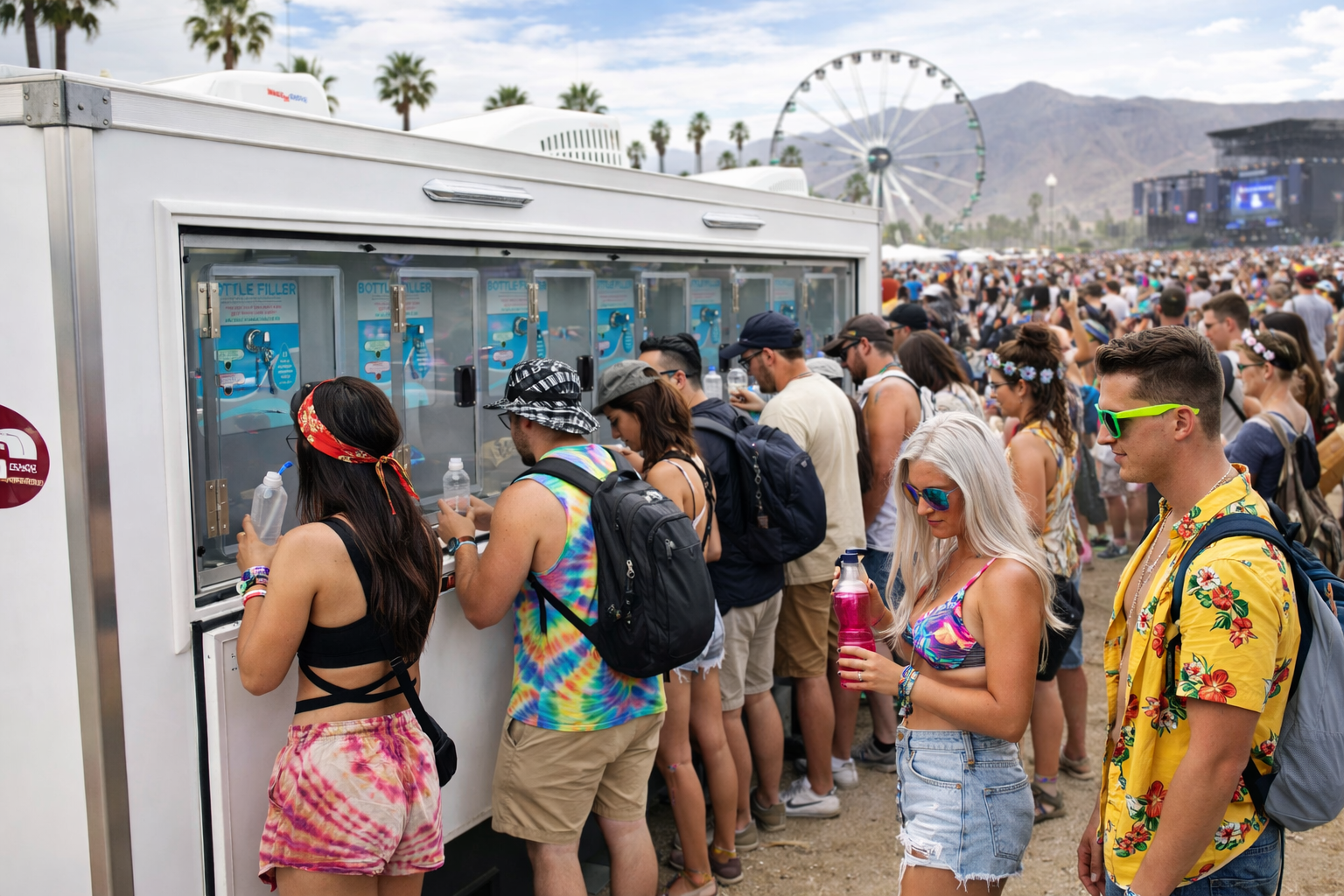
Downtown Fullerton runs hot all year, the Fox Theatre, the Wilshire and Harbor blocks, the Saturday markets, and a nightlife district that fills the sidewalks. Add street fairs, the Day of Music, art walks near the Muckenthaler, plus 5Ks and rides through Hillcrest Park and the Fullerton Loop. A north OC crowd in the heat burns through water fast. One trailer hands the organizer dependable cold water and clean fill points, and skips the pile of single-use plastic that otherwise gets trucked in and trucked back out.
Races, the Loop & outdoor recreation
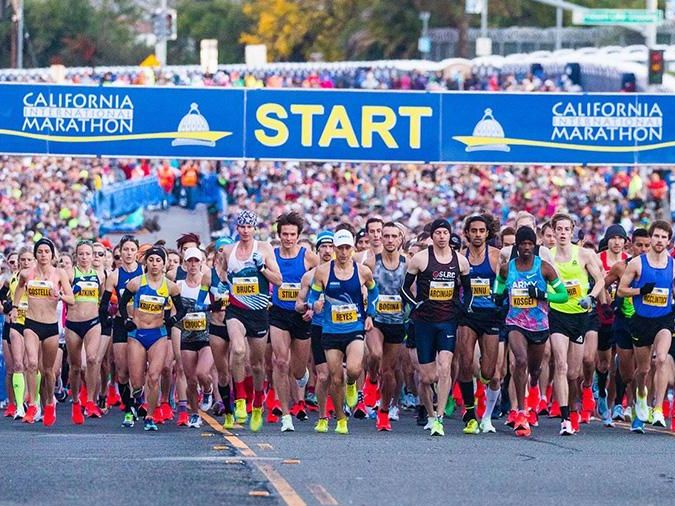
The Fullerton Loop draws cyclists and trail runners year-round, and the city’s parks host charity 5Ks, fun runs, and youth tournaments through the warm months. Those events scatter people across open ground far from any tap. We line a station or several along a course or a field edge, where the rear large-jug spout and hose-bib outlets let runners and volunteers top off coolers and bottles right where they’re standing instead of hiking back to a truck.
Campuses, commencements & municipal
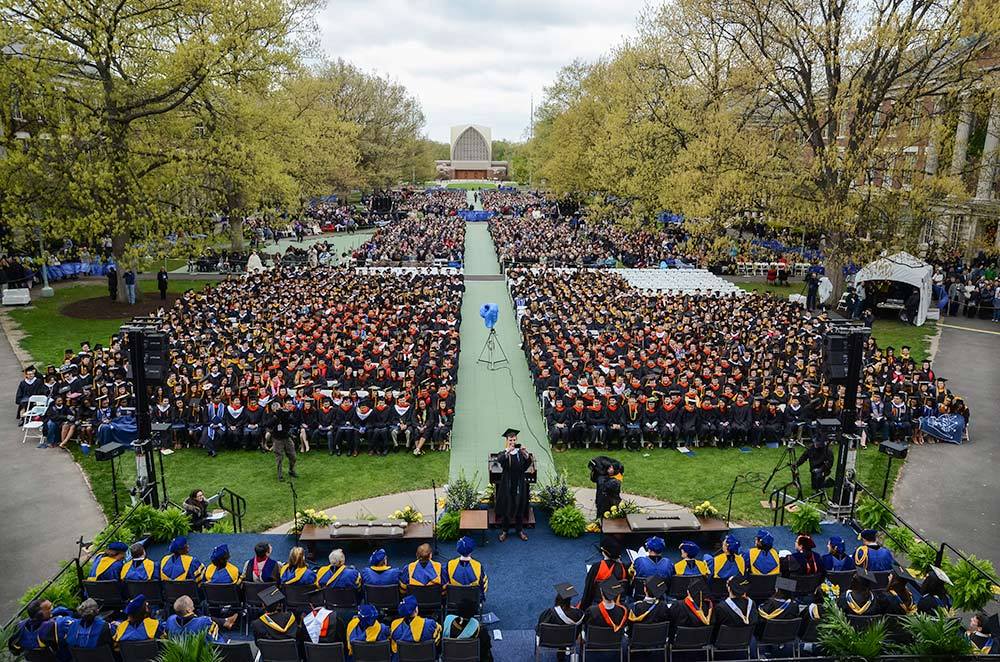
Cal State Fullerton, one of the largest campuses in the CSU system, packs tens of thousands into commencement weekends, plus move-in days, Titans athletics, and outdoor events that bake in late-spring heat. Fullerton College adds its own ceremonies and crowds. City public works, parks crews, and the water utility all labor under that same sun. A towable trailer parks on a quad, a plaza, or a yard and pours all day, and when a heat emergency or a main break hits a neighborhood, we can rush potable trailers out to base camps and cooling sites quickly.
Run through three stages, disinfected with UV, then chilled for the pour
If the crew won’t drink it, you wasted the rental. That’s why each trailer treats incoming municipal water through four filtration stages and a UV chamber before an onboard chiller takes the temperature down. The pour tastes right and reads genuinely cold even when Fullerton is having its ugliest afternoon of the summer.
Sediment stage
Stage one is mechanical: it grabs the sand, scale, and fine grit north OC lines tend to carry, so a dusty lot near the rail corridor still gets a clean pour.
Carbon stage
Next the water runs through activated carbon, which lifts out the chlorine bite and the dull summer aftertaste local tap picks up. When it’s 96 out, that flavor is the whole reason a crew either drinks or walks past.
Micro-particulate stage
A fine-mesh polishing cartridge catches the microscopic particles that slip past sediment and carbon, so the water stays safe for every worker, volunteer, and guest topping off on a Fullerton site.
UV disinfection
Last comes ultraviolet treatment, killing off bacteria and microbes without dosing in a single chemical, so the water at the nozzle reads clean even after a long run inland.
Three ways to fill, ADA built in
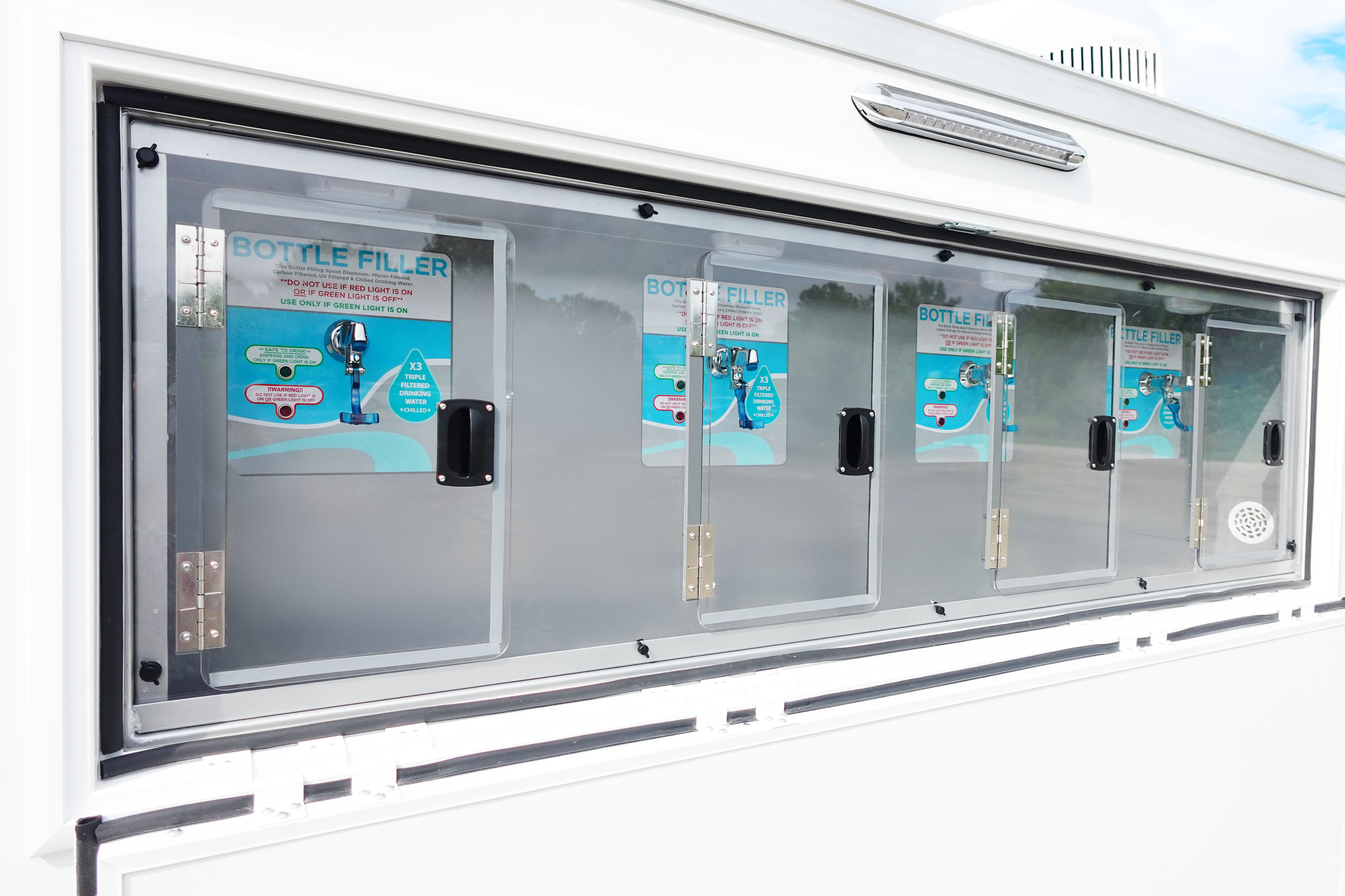
Four push-back fill points run along the side wall, each with an adjustable nozzle, lean the bottle into the bar and it flows. We mount one of those four low enough to satisfy ADA reach, so there’s no second accessibility setup to arrange on a Fullerton site. The back of the trailer adds a large-jug spout for bulk coolers and personal packs, and a set of hose-bib taps takes wash-up, event support, and grounds duty. Everything the water touches on the way out is food-grade or stainless, so what’s been filtered and chilled stays that way to the last inch of line.
One Signature stores 300 gallons, near 2,400 sixteen-ounce pours, and we recharge it on demand, so a busy Fullerton shift never backs up waiting on the tank.
We deliver, fill, and connect it, and cold water’s flowing in about an hour
Your people don’t operate anything. We pick where it sits, fill the fresh tank, wire up the power, and then show your Fullerton crew how it works on our way out the gate.
Give us the details
Tell us the headcount, the rental length, the precise placement on the Fullerton site, and the power available. With those four answers we spec the job correctly on the first try.
We roll out
Figure about 45 minutes from dispatch to most points in north OC, and 24/7 emergency runs any time an advisory parks over the inland county.
We get it pouring
Leveling, a full 300-gallon load, and a hookup to whatever the lot has, anything from one to three 120V circuits to a single 50-amp 240V drop, and it’s pouring.
We keep it supplied
From then on our tankers refill on a rhythm set by how hard your crew draws it down, and we service the unit start to finish across the rental.
No generator on a bare lot? Say so and it goes in the quote. The trailer pulls little power, and our backup fleet fills the gap, so we’ve kept water flowing on Fullerton-area sites with no permanent hookup whatsoever. Whatever the lot offers, we plan around it.
In inland Orange County, cool water at the work face is the law, not a nicety
Few states put a standing outdoor heat rule on the books. California is one, and Fullerton employers live under it. The rule is Cal/OSHA Title 8 Section 3395, Heat Illness Prevention, and it switches on at 80 degrees, with a requirement for fresh, suitably cool drinking water kept near enough that crews can sip small amounts often. Push past 95 and it layers on shade, rest, and a written plan. Because north OC stays above 80 for months and runs warmer than the shoreline, with the marine layer that cools Huntington Beach almost never reaching this far inland, the standard governs the bulk of a Fullerton build season.
The trailer makes that obligation visible. You get a fixed, mapped cool-water source planted at the work face, the backbone of a defensible Heat Illness Prevention Plan (HIPP) and precisely the thing a Cal/OSHA reviewer hunts for during a walk-through. After the recent run of record-heat summers, inspectors press harder on heat paperwork, and a mapped on-site cold-water point is about the simplest item you can set in front of one.
- Reliable fresh, suitably cool potable water sitting right where the crew is working
- A single mapped, documentable hydration point your §3395 HIPP records can name
- Backing for acclimatization plus the small, frequent breaks the rule expects
- Set up for the tougher state and federal heat rules coming, not a last-minute fix
A few things a stack of Fullerton deliveries taught us for good
Years of running stations across north OC have shaped how we handle every job. A handful of lessons we no longer have to relearn:
Where you set it down outweighs almost everything. On a downtown Fullerton mid-rise we left the unit by the gate the first day, and hardly anyone touched it, the work sat four floors up and nobody was going to spend a hot break climbing down for water. Come morning we repositioned it onto the hoist landing and usage doubled before noon. “Keep the water nearer than the shade and the crew will drink,” the foreman said, and that line has shaped how I walk every site since.
We time refills off the weather, never off a fixed date. One September, sensing a heat run coming, we’d already positioned backup tankers, so when three SR-91 warehouse sites rang the same afternoon we hit all three before anyone ran dry. “You refilled us before we’d even noticed we were running down,” a safety lead texted me that night. That kind of cushion now goes into every hot-season contract we sign.
The bottled-water habit only breaks when a crew feels the swap themselves. On a logistics build out toward the Placentia line, the super flat-out doubted we’d hold 300 gallons cold on an exposed pad. We set the trailer, dialed in the refill timing, and a week later he called to add a second. “My guys stopped asking for ice,” he said, which was the whole review. Out here, cold water that actually stays cold sells itself once it’s on the ground.
The thread running through all of it is the point the climate keeps making: in north OC, hydration isn’t a one-time setup you can walk away from. It’s a moving operation, and we run it that way every day a trailer sits on your Fullerton site.
Outdoor crowds, and an inland sun that keeps pushing
An organizer in Fullerton treats heat the way a beach town treats parking, as the first constraint to design around. Set up a Fox Theatre block party, a downtown Saturday market, a Hillcrest Park charity run, or a CSUF graduation, and each one gets a self-contained trailer holding cold water at clean refill points. The whole loop of trucking, icing, and trashing single-use plastic comes off your team’s plate.
Across a large footprint we position several units so a drink is never a long walk, and our crew keys the drop and the pull to your schedule. A north OC music night drove it home for us: one station by the main stage was backed up thirty deep by mid-evening, because heat multiplied by a few thousand people climbs fast. The following year we ringed the grounds with extra units and the line vanished. Guests experience it as hospitality. Your operations lead reads it as straightforward risk control.
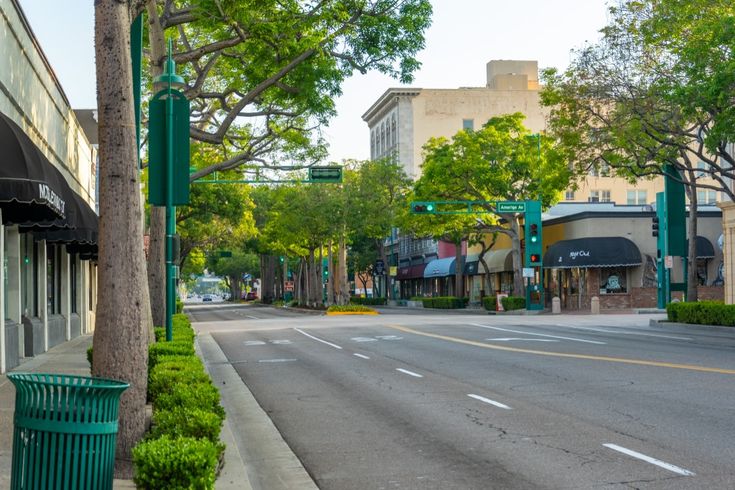
Fullerton sits inland, far from the marine layer, and the work doesn’t stop for the heat
The coast has its sea breeze and its morning fog. Fullerton, tucked against the north county hills, mostly has neither once summer settles in. And the people building this part of the county out are right in the middle of it from late spring through October.
A Fullerton summer arrives hot, dry, and cloudless, with August averages in the low 90s and frequent stretches into the high 90s or past triple digits any time a ridge settles over the Southland. Set back from the shore and tucked behind the hills, the city tends to log several degrees over Huntington Beach or Newport on a matching day, because the cooling fog burns off well before it can reach the 57. Surface temperatures on new asphalt and raw slab race ahead of whatever the air thermometer says, so a crew can cross into genuine heat-illness territory by mid-morning while the gauge still reads a misleadingly tame 93. Somewhere this hot, cold water isn’t a perk. It’s the least-expensive piece of safety equipment anyone brings to the site.
What complicates the planning is the sheer length of the exposure window. A shoreline builder can absorb a single-day spike on a couple extra coolers. Grinding from April clear into October, a Fullerton builder simply cannot, the demand’s too large, water warms too quickly, and the chore of hauling, icing, and tossing bottled water compounds with every shift. Nothing but a centralized, self-chilling trailer keeps pace through an entire inland summer without becoming a logistics burden in its own right.
The appetite for it only grows, because north OC never really stops building. Fullerton’s bones are aerospace and manufacturing, the legacy of its Hughes and Beckman heyday, and that industrial fabric keeps getting reshaped into warehouses, distribution floors, and infill alongside the rail corridor. Both Cal State Fullerton and Fullerton College keep expanding, and new housing keeps tucking into downtown, the Brea and Placentia margins, and the foothill tracts to the north. Every one of those projects drops dozens or hundreds of workers into open inland sun, plenty of them on the clock before sunrise just to outrun the afternoon.
We tuned our north OC dispatch to that very pattern. From the early days, working trailers along the SR-91 warehouse belt and down the Commonwealth and Orangethorpe corridors, we pegged refills to crew size instead of a set calendar and built in emergency drops for advisory days. On an inland build a hydration gap is more than a slowdown, it can halt the job outright and send somebody to the ER in an ambulance.
Behind the trailer: the fleet that keeps a Fullerton job supplied
The station is the part clients notice. Out of sight is the fleet that does the rest: bringing potable water onto the lot, parking reserve there, and carrying wastewater off again. You make one call and the loop closes, rather than juggling three vendors and three bills.
Potable water trucks
Tankers move drinking-grade water around north OC and recharge the 300-gallon tank on a cadence matched to headcount. When one delivery isn’t enough, a slab pour off Commonwealth or a sold-out downtown weekend, those same trucks fill cisterns, on-lot tanks, and bladder bags too.
Bladder bags & buffer supply
Foldable bladders stash spare fresh water for the peak stretches, and they double as short-term greywater holding when a Fullerton lot lacks a drain. Plain gear, but it’s the thing that keeps a remote inland site running between tanker visits.
Pump trucks
Got water that needs moving? That’s the pump truck’s job, filling storage or shuttling supply from one end of a site to the other. On a sprawling logistics lot, where the trailer usually sits far from the fill point, it earns its keep before the first shift ends.
Vacuum & waste trucks
A vacuum truck draws off the greywater and wastewater and runs it to permitted disposal, sealing the loop. Nobody on your Fullerton crew has to track where the spent water ended up. That’s been baked into how we work since day one.
The pieces interlock. A remote inland pad might pair a station with a bladder bag for cushion and a standing water-truck fill. A big downtown event might lean on a pump truck to shuttle supply, then a waste pull once teardown starts. Describe the project and we build the mix to match it, a single point of contact, a single invoice, and a crew that already knows its way around your Fullerton site.
The questions we’ll ask, and how each one shapes the plan
A couple minutes on the phone is usually all it takes to quote the job right. Below are the things we’ll want from you, both so you can have them handy and so you can see why we don’t just reach for one stock configuration every time.
Four answers that steer the whole recommendation
- Headcount? Fifteen framers off Raymond Avenue and a 6,000-seat Titan commencement are nothing alike. Your number drives how many units we send and how aggressively we schedule the top-offs.
- For how long? A two-day street fair, a foundation pour that runs three weeks, a campus job stretching nine months, each gets a different service cadence. Brief gatherings lean on stored buffer; long builds lean on a tanker route.
- Where does it park? Since it tows, the Signature drops into a yard, a bare lot, an open field, or a staging strip along a corridor. Pin down the exact placement plus the path our truck takes around gate checks and lay-down piles, and we set it where boots actually land.
- What’s the power? The unit will take anywhere from a single 50-amp 240V drop down to one, two, or three ordinary 120V circuits. Raw pads toward Placentia frequently have nothing permanent wired in, which is fine, we just like to know going in.
The extras that help us nail the fit
- Where on the lot the station ought to live, plus how a delivery truck reaches it
- Is the crew fanned out across the site or stacked at a single work face
- Any §3395 heat records your safety program will lean on the station to support
- Should bulk delivery, bladder storage, or a waste pull ride along on the same job
The hidden costs a pallet of bottled water never shows on the invoice
Bottled water prices out cheap on the PO. The actual expense hides in handling, the floor space the pallets eat, the warm-up, and the disposal, and every one of those lines costs a Fullerton site more than it would a coastal one.
The labor nobody budgets for
Think through who actually touches the bottled water: someone places the order, signs for the pallets, breaks them open, ices coolers before the sun’s up, refills through the day, and flattens empties for the dumpster. On a sizable inland crew that’s hours of wage cost daily, all of it stolen from the build itself. The station erases the whole chore. I once ran the numbers with a Fullerton GC and the labor savings by themselves outweighed the rental, and he owned up that the bottle runs had been quietly eating close to a day of payroll a week. The trailer arrives loaded, refills off our tankers, and needs nothing from your super but a place to park.
The warm-up problem
That frosty 6 a.m. cooler is bathwater by 10 on a Fullerton July morning. Warm water gets ignored, and the moment a crew stops drinking is the moment heat illness finds its opening. Onboard chilling cuts right past that decline. Quitting-time water comes out every bit as cold as the dawn pour, which happens to be when a spent, overheated crew needs it worst. Come the middle of an inland afternoon, that one difference is the line between a crew still sipping on schedule and one drifting, quietly, toward the shade tent.
The storage and footprint tax
Bottled-water pallets swallow staging room, choke the lay-down yard, and bake in the sun until somebody cracks them open. Empties pile up faster than crews clear them, and on a cramped downtown Fullerton lot that heap turns into a problem all its own. The trailer claims a single parking spot while serving a crew that would otherwise rip through hundreds of bottles daily.
The waste that trails the job
Every bottle bought is a bottle thrown out, and across a long summer a busy site grows a little mountain of them. That’s a disposal invoice, a black mark on the project’s sustainability page, and in a county where one discarded bottle can linger for centuries, a footprint that outlasts whatever you built. Switch to a refill station and the whole line disappears, which finally gives your ESG report a figure worth printing.
Staging cold water across Fullerton and north Orange County
Our trucks run all over Fullerton and north OC, from the foothill neighborhoods up top to the downtown core around Harbor and Wilshire, on out to the warehouse belts toward Anaheim and the Brea–Placentia line. Wherever you sit in the north county, you’re within our reach, whether that’s a downtown art walk, a quad event at Cal State Fullerton, a Sunny Hills streetscape, or a logistics build on a bare SR-91 pad.
BreaPlacentiaYorba LindaLa Habra
Buena ParkAnaheimAnaheim HillsOrange
CypressStantonLa MiradaWhittier
Cal State FullertonFullerton CollegeSR-91 corridor
Spread along a corridor rather than parked at one address? We run the freeways north OC moves on, the SR-91, the SR-57, the I-5, and Imperial Highway, so corridor and multi-site projects get the same fast turnaround as a single lot.
The questions north OC crews and organizers actually ask us
How quickly can a water station reach my Fullerton job site?
Most north OC jobs see us land inside about 45 minutes of dispatch, and on advisory days the drops keep running 24/7. Roll up to a 100-degree morning lot with nothing cold and we can generally have a unit pouring before the lunch break. The two variables that swing the timing are gate access and the power on site, so fill us in and we book the run accordingly.
Is it truly chilled, or just run through a filter?
It’s both. The trailer’s onboard chiller keeps its supply cold from the first pour to the last, all day long. On an inland July afternoon a lukewarm tap gets skipped while the crew slides behind on fluids, and a worker who isn’t drinking is a worker with no protection. So for us the chiller counts as safety gear, not a nice-to-have.
How big is the tank, and who refills it once it gets low?
Every Signature holds a 300-gallon tank, which works out to somewhere near 2,400 sixteen-ounce fills. Draw that down with a big crew on a hot day and our tankers bring it back up on a cadence set by your usage, so you never hit a ceiling. And the job of watching the refills sits with us, not your team.
Does a rental help with Cal/OSHA heat-illness compliance?
Directly, yes. California’s Title 8 Section 3395 wants fresh, suitably cool drinking water within easy reach of outdoor crews once it’s 80 or hotter, plus shade, rest, and a written plan as the day climbs. The trailer gives you a fixed, mapped, cool-water point to name in your Heat Illness Prevention Plan and lead an inspector right up to. You author the safety program. We supply the hydration that holds it together.
Are the stations ADA accessible?
Yes. Of the four push-back fill points, one is mounted at an ADA-reachable height, so the whole Fullerton site is covered with no add-on rig. Out back, the large-jug outlet handles five-gallon coolers and personal packs, while the hose-bib taps take care of wash-up and general crew chores.
Can you cover downtown and CSUF events as well as construction?
We can, and events make up roughly half of what we do across north OC. Whether it’s a Harbor Boulevard street fair, a Fox Theatre night, a Hillcrest Park 5K, or a Cal State Fullerton commencement, we’ll place a single unit or spread a few across the grounds, with delivery and pickup keyed to your run-of-show. Your guests get steady cold water at clean fill points, minus the expense and litter of bottle pallets.
What do you need from me to set one up?
Just four: how many people, how long you need it, where on the Fullerton site it parks, and what power’s there. On power, the Signature takes a single 50-amp 240V drop or as few as one and as many as three regular 120V circuits. A remote lot with nothing wired in is no obstacle, mention it early and we fold the workaround into the quote.
Do you serve only Fullerton, or all of north Orange County?
The whole north county. Beyond Fullerton itself, we cover Brea, Placentia, Yorba Linda, La Habra, Buena Park, Anaheim and Anaheim Hills, Orange, Cypress, Stanton, and out to the La Mirada and Whittier edges. Stringing several sites along the SR-91, SR-57, I-5, or Imperial Highway is an ordinary day for our drivers.
How does the water taste next to bottled?
Clean, no chlorine edge. Running it through carbon takes out the chlorine and the flat, seasonal off-notes local tap sometimes picks up, so the pour reads fresh rather than like a hose baking in the yard. That matters more than it sounds. The station only earns its keep when crews actually want to drink from it, which is why we file taste under safety, not under extras.
How big a crew can one station carry?
A big one, because what limits you is how often we refill, not how many taps there are. With four fill points a crew cycles through fast on a break, and a tankful covers roughly 2,400 sixteen-ounce pours before the next top-off. For the largest Fullerton crews we tighten the tanker schedule or drop in a second trailer, so the supply grows with your headcount rather than capping it. Give us your peak count and we plan to that.
When a heat emergency hits, can you get there in a hurry?
We can, and it’s a big reason north OC clients keep us on speed dial. Advisory days put us on a round-the-clock drop schedule, and we move spare tankers into position before the forecast turns. Show up to a triple-digit Fullerton morning with no working water and one phone call usually puts a trailer on the lot, pouring cold, before the heat tops out.
Made for the people who can’t absorb a hydration gap
“Thirty-eight guys on a warehouse pad off the 91 in August, and our bottled-water plan fell apart by 10 a.m. A trailer rolled in that same day and was handing out water that actually felt cold. We never ordered another pallet.”
“Across our downtown Fullerton festival weekend the refill units took our single-use bottle order down to almost zero, and the queues never stalled. Drop-off and pickup ran on our clock, not theirs. We rebooked for next year on the spot.”
“Our safety audit asked for §3395-compliant cool-water access, on the record, for a heat-exposed crew near the Placentia line. Having a mapped station on site satisfied that requirement in the HIPP without any fuss. And a refill always arrived well before we ran low.”
Service information current as of June 2026.
Get chilled, filtered water onto your Fullerton site before the next heat wave
Give us your headcount, the dates, and where it parks. We’ll work up the job and dispatch a trailer across north OC, typically arriving inside roughly 45 minutes.