
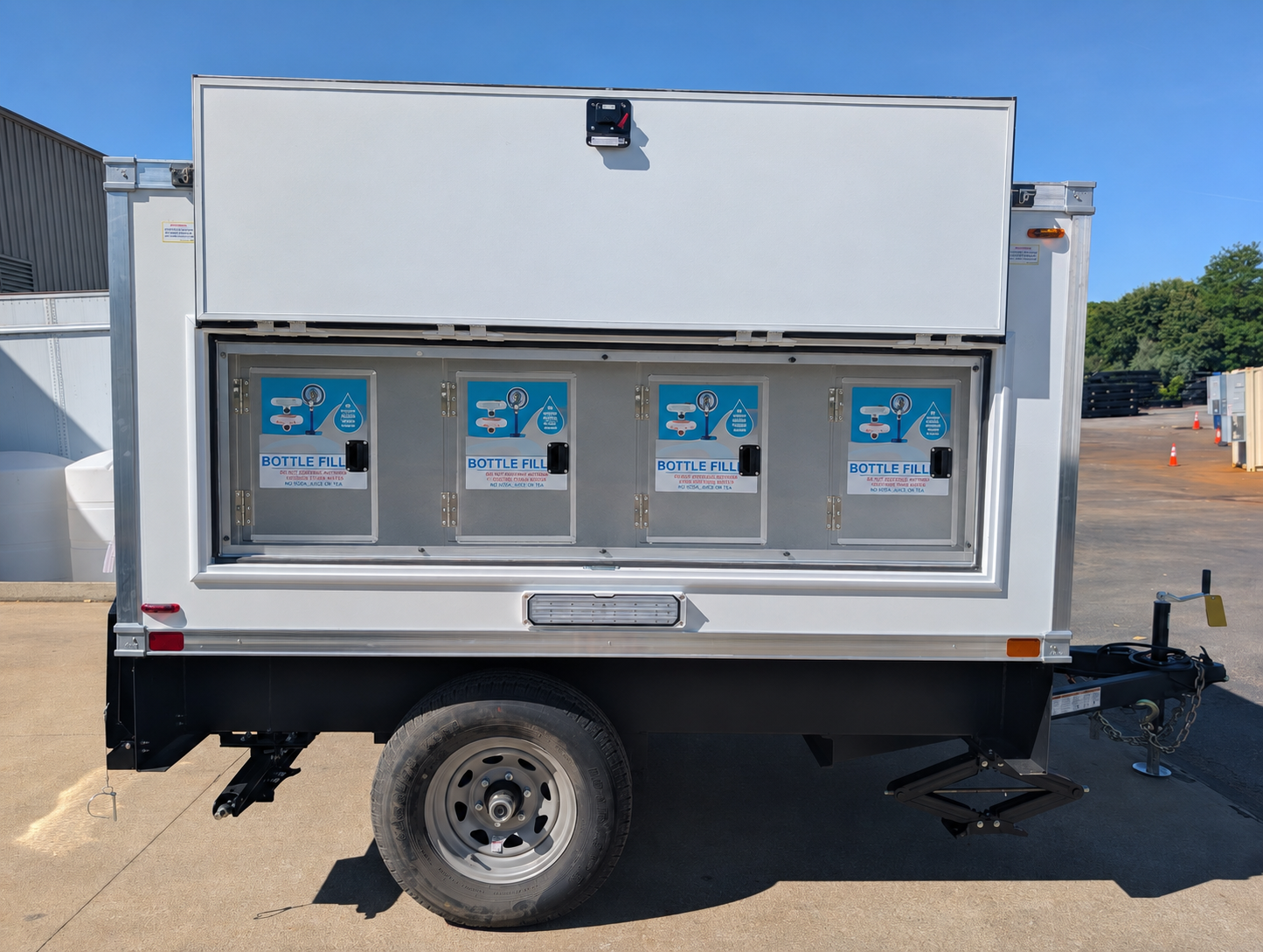
On-Site Hydration Services delivers wedding water station rentals to outdoor venues nationwide, set up and ready to pour. We tow the Signature Series trailer onto the ceremony lawn, the vineyard field, the barn lot or the ranch road, level it, tie in power, and leave it pouring cold filtered water before your first vendor call time. Planners book us for vineyard and estate weddings, tent receptions, desert and mountain dates, and the vendor crews working them. Call and we will hold a unit for your date, or send the date and guest count through our quote form and we will size it today.
Licensed and insured | A+ BBB rated | 24/7 dispatch
See the Signature Series water station specs
“We put it at the top of the ceremony aisle and guests found it before they found their seats. Four o'clock ceremony in August, and not one person came to me about the heat. That has never happened at this property.”
“Our one tap is at the barn, a hundred yards from where the tent goes up. A station out at the tent meant my staff stopped running pitchers back and forth all night.”
“I stopped ordering cases for this venue entirely. My team fills the beverage dispensers off the rear spout in about a minute, and I got a server back on the floor for dinner service.”
References for this kind of booking are available on request.
We have run chilled drinking water stations at outdoor weddings long enough to know the day breaks at the same two points. Demand peaks at the ceremony site, then again in the hour right after it. Better than half of American weddings now happen outdoors or at non traditional venues, and those properties were built for wine, for cattle or for a family, not for serving 150 people at once. So we plan the wedding first and the equipment second. We ask where guests will stand, how far that is from the nearest working tap, and who on the vendor team owns drinking water, which on most jobs is nobody. The same trailers run construction routes Monday and a reception lawn Saturday, from wine country properties to hydration station rentals in Park City and the ranch venues around it. We are licensed and insured, and our dispatch team runs 24/7. Call us and we will walk your timeline with you, or request a free quote and we will send back a spec with the placement, the power and the refill plan in it.
One Signature trailer can pour for a weekend concert and be working a slab pour a couple of days later. Hiring one company for your events and a separate one for your worksites makes no sense. Either way, the planning, the delivery, and the refills are ours.
The onboard cooling unit keeps the tank genuinely cold all the way through a long afternoon outdoors, and that single detail carries the whole thing. Warm water is water people abandon, and midsummer is exactly when a crew or a crowd is drinking the most. Cold water gets finished, and finishing it is what keeps heat illness off the site.
Typical deliveries land in about 45 minutes once a truck is rolling in your metro, longer out on the rural routes, and we keep emergency runs going around the clock whenever a heat advisory or a power shutoff hits. The morning a foreman finds his 40-person crew stuck with one warm cooler, speed is the whole game.
One rule sits under every job we take: water that people walk past might as well not be there. We've stood on a bare site and watched shrink-wrapped pallets cook next to the job-trailer while the crew baked thirty yards off. We've watched the opposite too, a chilled station ten steps off the work face run bone-dry twice inside one shift. Everything that matters lives in the distance between those two pictures. Which is why we don't drop a unit and disappear. We match it to your headcount or your gate count, set the refill rhythm to how hard you're really pulling on it, and treat a heat call the way you'd want your own treated, meaning right now, because out here one hot hour can swing the whole day.
We deliver water stations to job sites, venues and event grounds in all 50 states, with the heaviest route coverage across the West.
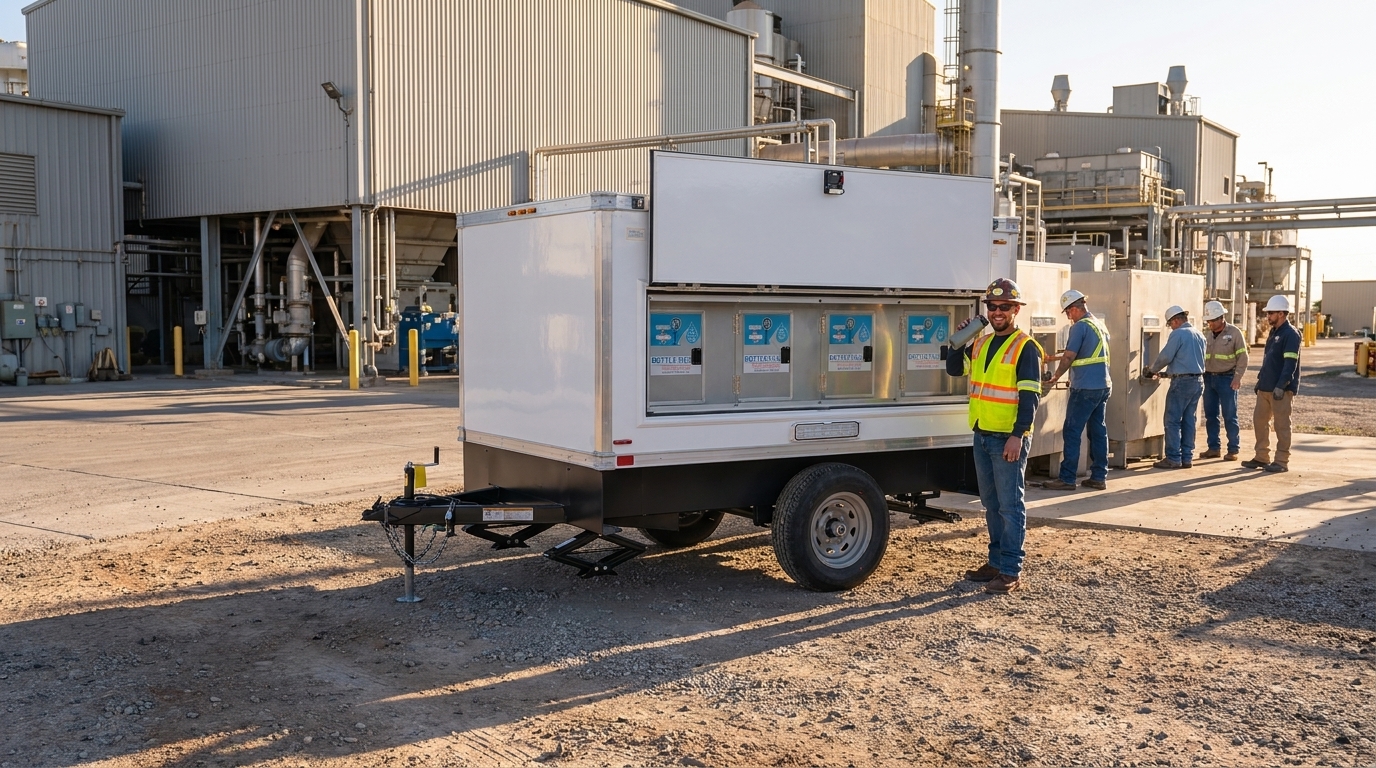
The Signature Series is a towable water station trailer built for places with no plumbing, which describes most of the venues on this page. At a wedding it has one job: cold, clean, filtered water inside a short walk of wherever guests actually are.
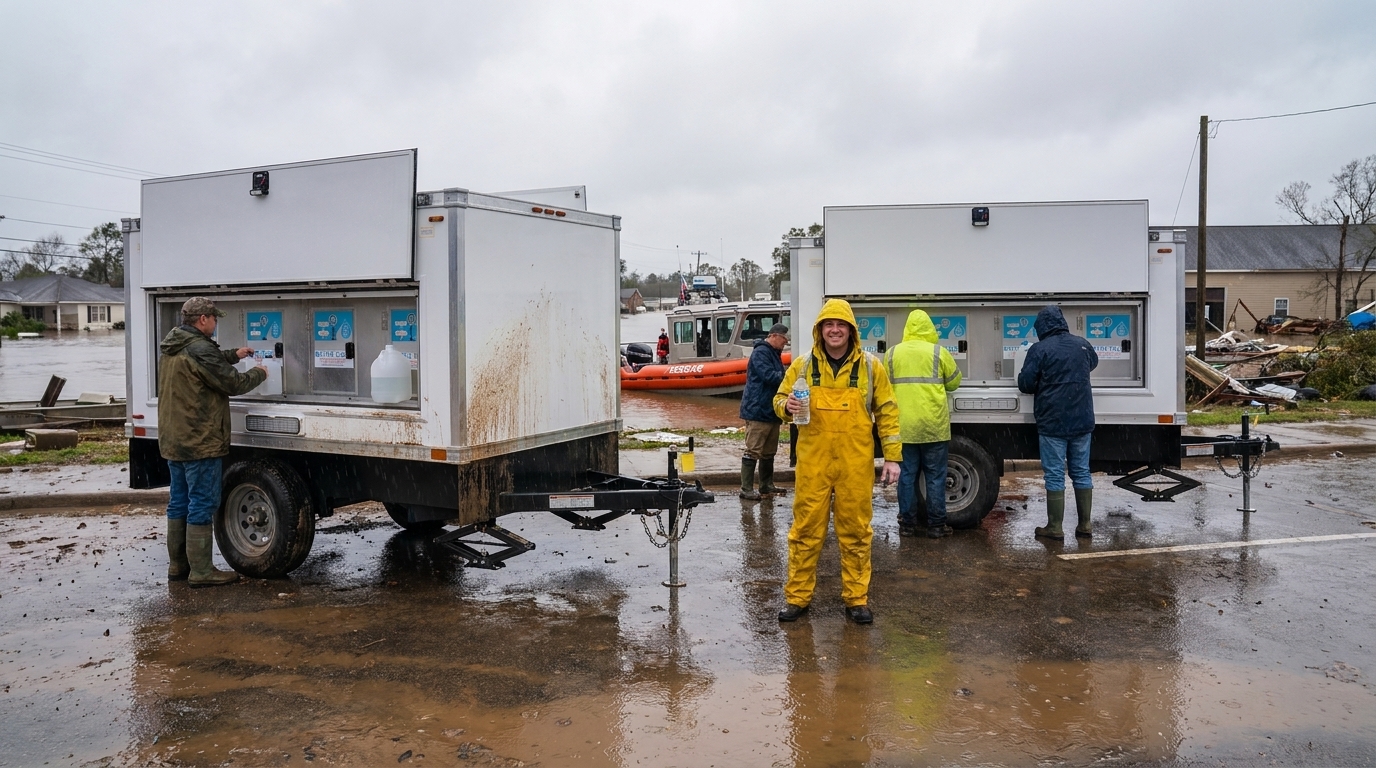
With a frame, a hitch, and tires under it, the unit hauls out to a remote build, an event field, a working orchard, or a disaster staging yard with equal ease. Contractors and event planners request this exact rig by name. The whole design is built around backing in, leveling off, and pouring cold by the same afternoon.
| No. of stations | (4) Bottle Filling Stations |
| Length | 12' 3" |
| Weight | 3,100 lbs. |
| Height | 8' |
| Fresh water tank | 300 Gallons |
| Power requirements | 1 to 4 dedicated 20A/120V circuits OR 1 dedicated 50A/240V circuit |
| No. of AC units | 1 |
At a wedding the station is a service point, not a utility box, so we treat it like one. Four push back taps run along the side wall, one set at ADA height, and a guest fills a glass or a reusable bottle in about two seconds with no server and no pitcher in the loop. The rear jug spout is the one catering teams claim, because it fills five gallon coolers and glass dispensers fast enough to keep an infused water urn or a lemonade table topped through dinner. Three filter stages and a UV chamber sit between source and tap, and the onboard cooling unit keeps what pours genuinely cold at four in the afternoon. Water that is merely wet gets walked past.
Planners ask about noise and appearance before anything else, and they are right to. The unit runs twelve feet three inches long, seven feet six inches wide and eight feet tall, so it takes about one parking stall, and a single air conditioning unit is the loudest thing on it. We park it where the sight line and the sound line both work: behind the catering tent, at the end of a hedge row, against the barn wall. Put a draped table, a sign and a tray of glasses in front and guests read it as the drinks station, which is what it is.
Getting there is the part that goes wrong, and it goes wrong the same way every time. The trailer weighs about thirty one hundred pounds and tows behind a standard pickup, so the road is never the problem. The last hundred feet is. A gravel vineyard lane with a tight turn at the end of the row, a field gone soft after a week of irrigation, a cattle gate narrower than the posts suggest, a barn approach with a drainage dip cut across it. So we ask about the approach on the first call, and on a property we have not worked we would rather walk it with the venue manager a week out than find it Saturday morning with the florist stacked up behind us.
A water source people don't trust gets ignored, and an ignored station is rented money wasted. That's why municipal water doesn't reach the tap raw on our trailers. It passes through three filter stages and a UV chamber, then an onboard cooling unit drops the temperature. The result tastes clean and comes out cold, even on the worst afternoon of the year.
The opening filter traps sand, scale, and the fine grit local mains occasionally push through. On a dusty lot, that's what keeps a pour from tasting like the parcel it's parked on.
Activated carbon comes next, lifting the chlorine bite and the dull seasonal notes local tap can carry until the taste lands clean and neutral. When it's 100 out, that flavor decides whether a crew keeps drinking or walks past the tap dry.
A finer cartridge then catches the microscopic particles that slip past the first two, so what reaches the spout is clear rather than merely cold for the crews and crowds drawing off it.
The last step is an ultraviolet chamber that wipes out bacteria and microbes without adding a single chemical. Even after a long tow out to a remote site, the water off the nozzle is clean.
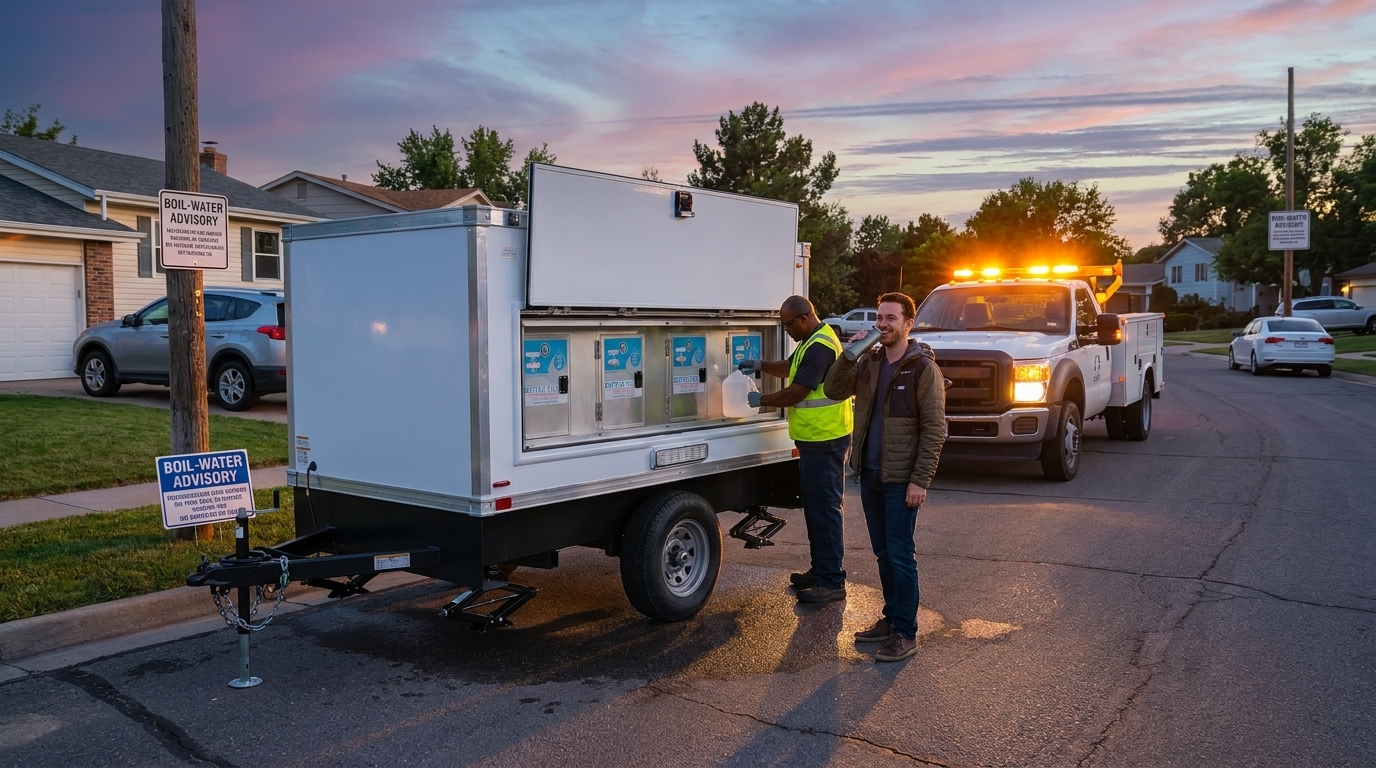
Along the wall sit four adjustable push-back taps, press a bottle to the bar and it pours. One of them is set at ADA-reachable height, so a single trailer includes everybody in a crew or crowd with no add-on gear. Out back, a large-jug spout services five-gallon coolers and hydration packs, while a bank of hose connection taps handles work-site chores, event support, and refills down the orchard rows. Stainless, food-grade plumbing the whole way through keeps the filtered, chilled water at quality right to the spout.
Every Signature trailer carries a 300-gallon load, roughly 2,400 cups at sixteen ounces each, and we recharge it on demand, so the unit doesn't turn into the choke point on a busy shift or a packed show night.
A wedding is not one job. The ceremony hour puts one kind of demand on drinking water. The property itself puts another. The weather adds a third. Here is how we size and place a station for all three.
The gap nobody plans for is the thirty to forty five minutes before the ceremony starts. Guests arrive early, get seated in direct sun, and the bar is not open because the bar opens at cocktail hour. Hot weather planning guidance is blunt about it: water service should start before the ceremony begins, with a station at the ceremony entrance and a bottle under every chair in extreme heat.
Venue side guidance puts water at three points across the day rather than one, at arrival, before the ceremony, and again at cocktail hour, placed near the ceremony area, the dining space, or simply wherever guests arrive, so nobody walks far for it. That fits what planners already do with site layout, which is keep paths, entrances, food stations and restrooms clear of anything guests have to step around.
Through dinner the station changes users. The catering team draws off the rear jug spout to refill dispensers and pitchers instead of running ice basins, which is the difference between a server tied to the water job for the whole meal and a server working tables. Alcohol pulls water out of people faster, and a reception with a long bar line and no cold non alcoholic option is one where the oldest guests in the room quietly stop drinking anything.
After enough of these, our first two questions are the ceremony start time and which way the seating faces, before the guest count ever comes up. A station two hundred feet behind the last row is a station nobody uses. Give us the aisle and the arrival path and we will put it where feet already go.
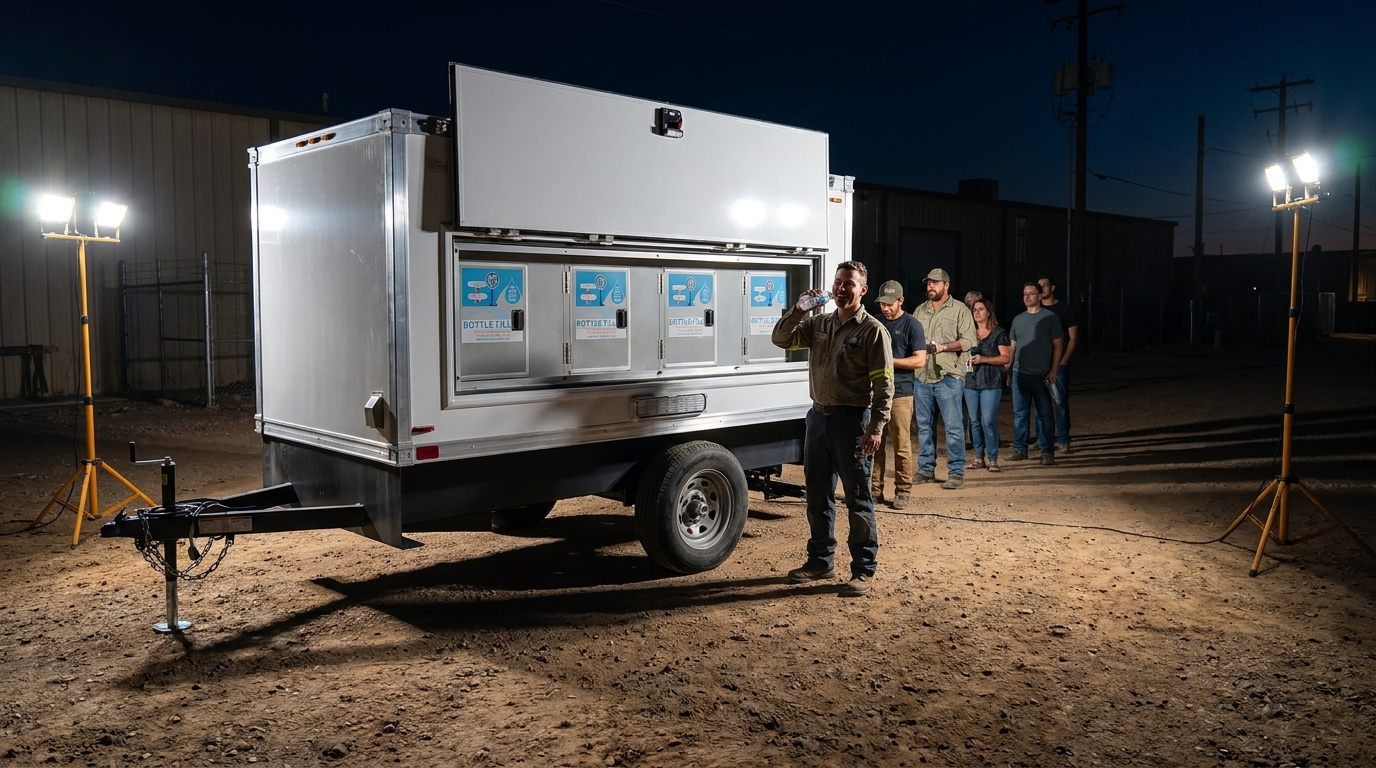
Working wineries were built to make wine, not to feed a hundred and fifty people at once, and most have no full commercial kitchen. That is why caterers at these properties haul in mobile kitchens, convection ovens, hot boxes and their own sanitation stations. The tasting room may have a tap and an outlet by the crush pad. The ceremony lawn, the barrel room and reception field each sit a hundred yards or more from either, which is the gap a self contained unit closes. We see it on the same properties we serve for water station rentals in Santa Maria.
Barns run the same problem with less margin. Many have no adequate power, which is why generators show up on barn wedding lists as a default line, and restroom trailers themselves need both water and electricity, so a barn with no source to tap gets water hauled in at the couple's expense. One number sits under all of it: a standard residential water heater recovers only about forty gallons of hot water an hour, so a caterer pulling hot water for prep and a crowd drawing cold water for drinking compete for a hookup that is too small for both.
Ranch venues and estates change the shape of the problem rather than the size. Event ranch properties run from working cattle operations to purpose built venues, six hundred acres in one case and past a thousand in another, hosting up to four hundred guests. At that scale the ceremony site, the lodge used for dinner, and overflow parking can each sit a quarter mile from the nearest fixed water source and from each other, so a plan there is three placement decisions, not one.
So we stopped asking venues whether there is water on site. Everybody says yes. The question that predicts the day is how far the nearest working tap is from where guests will stand, and whether a truck can get within fifty feet of that spot without crossing anything the venue cares about. Two minutes with the venue manager settles both, in week one rather than on delivery morning.
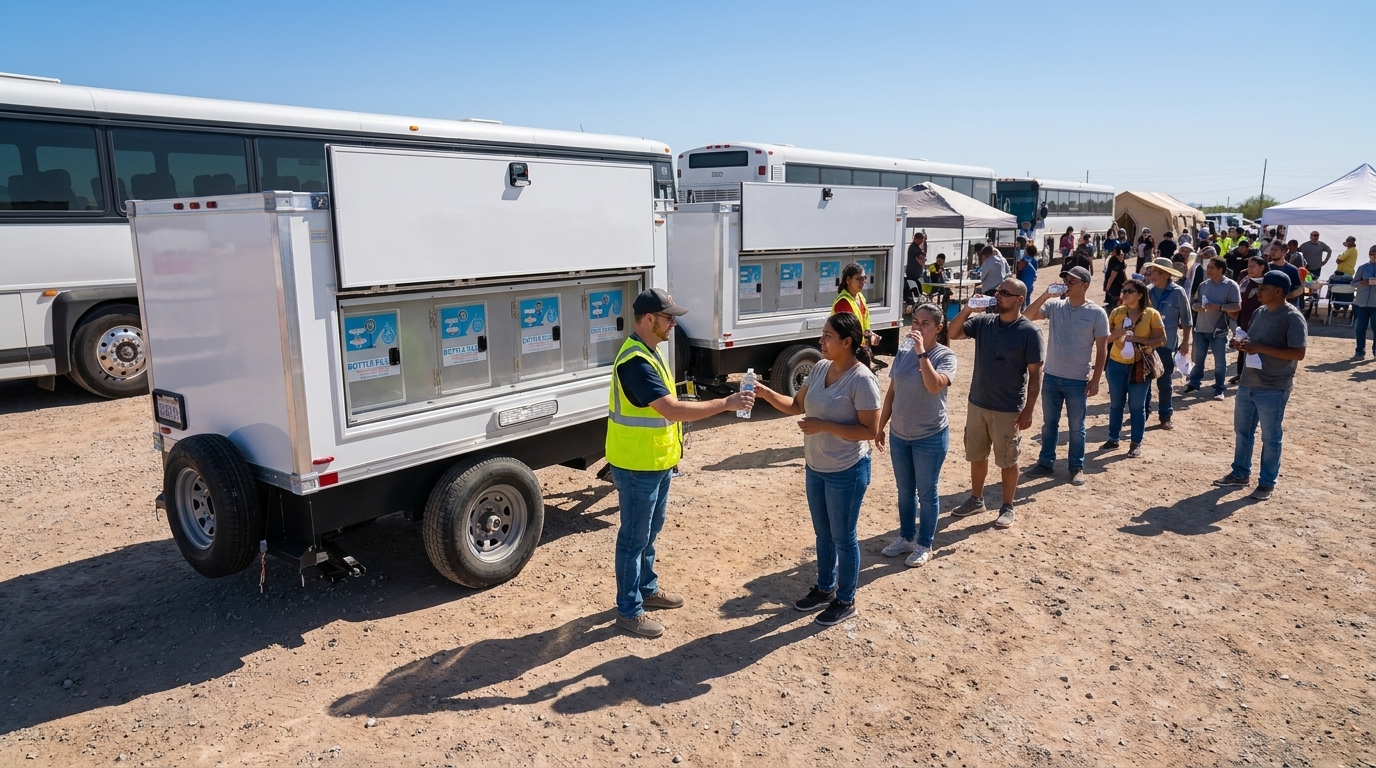
The desert wedding corridors run past 100 degrees through July and August, and the local advice has already adjusted. Guidance for those markets tells couples to schedule the ceremony for late afternoon or early evening, build shade into the layout, and set up a station where guests can fill up and cool off against the dry air. In the most remote version, a national park ceremony, there is no water, no gas and no cell service once you cross the boundary. Nothing is there. You bring it.
Mountain venues reach the same place by a different road. The properties couples book at elevation are marketed on scenery and how far they sit from everything else, and those two qualities are also what put them furthest from a municipal line and from any vendor willing to haul water up a winding mountain road on a Saturday. Add elevation driven sun exposure to a ceremony held in the open and guests take more sun than the thermometer suggests.
What fails on a hot date is almost never the plan. It is the temperature of the water and the distance to it. Guests self ration when water is warm or far, and the people who ration hardest are the ones planning guides keep pointing to: older guests, small children, pregnant guests, anyone with a chronic condition. Heat exhaustion has a recognizable shape at a wedding, a guest with a headache who goes quiet, or one sitting down in the shade with damp, cool skin. Cool water has to be within reach for shade and small sips to be a response rather than a scramble.
On a 100 degree date we change two things without being asked. We schedule the refill before the ceremony rather than between courses, because a tank topped at two in the afternoon carries the whole evening and a tanker rolling in during dinner is the last thing a planner needs. And we set the unit in shade wherever a shaded spot exists, so the cooling unit works on the water instead of on the sun.
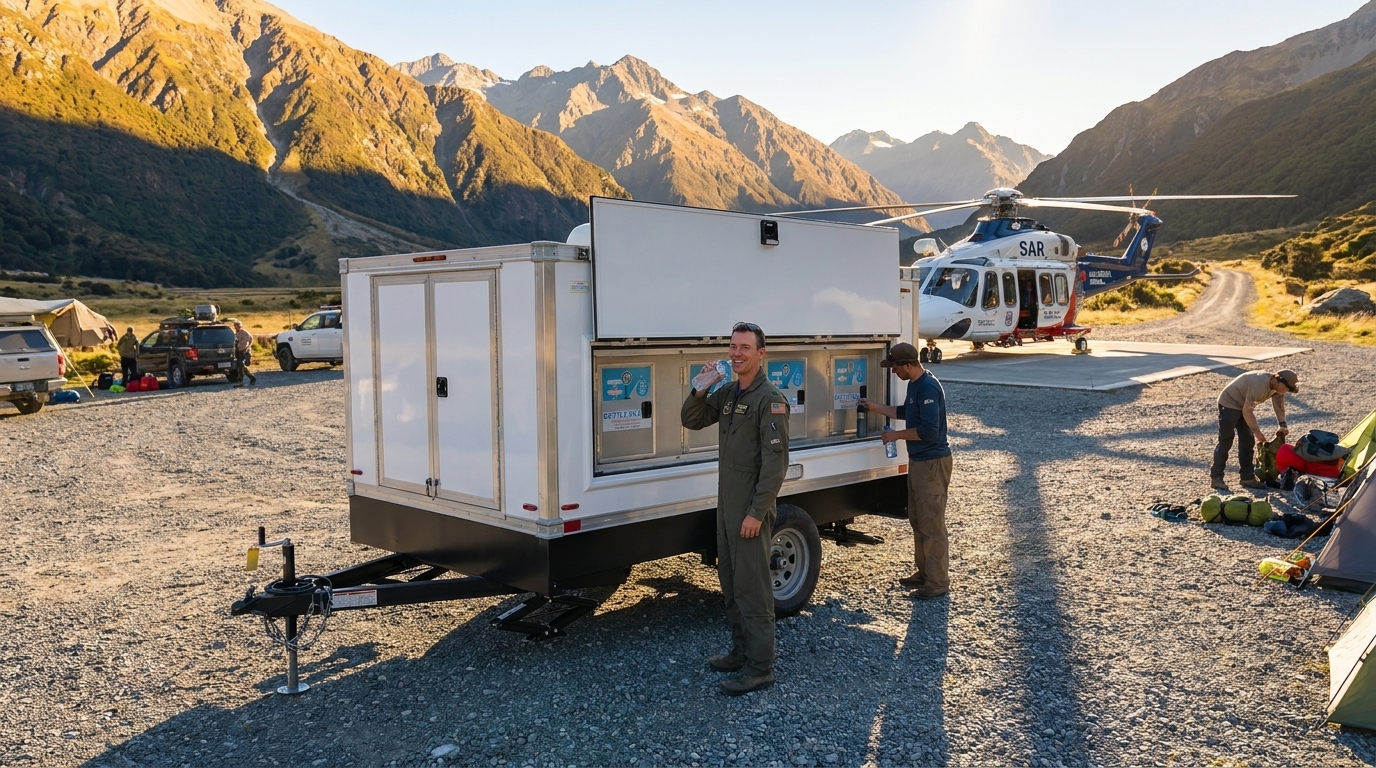
A wedding gets one load in window and runs a lot of vendors through it. We plan our arrival around yours.
Wherever a venue allows it, we deliver the day before. When the property only opens on the day, we go early in the vendor window, ahead of the tent crew and the rental truck, because once a tent goes up the lane to the reception field is gone and a three thousand pound trailer is not getting through it. We ask the planner for the load in order on the first call, from wine country properties to the barn and estate bookings we cover through mobile water stations serving Portland.
Placement takes ten minutes and six inputs: level ground, a firm approach, the sight line from guest seating, the sound line to the ceremony, the power source, and how far guests will have to walk. We set it level on jacks, charge the three hundred gallon tank, and tie into one to four dedicated twenty amp one hundred twenty volt circuits or a single fifty amp two hundred forty volt drop. If the property has neither, we have run stations on parcels with no permanent power at all.
What goes wrong on wedding sites is boring and repetitive, which is good news, because boring problems are preventable. A field firm at the site visit goes soft after a week of irrigation. A gate is locked and the person with the code is two hours out. A generator the couple booked is already fully spoken for by the band and the caterer. The venue contact leaves at five and the strike window nobody wrote down turns out to be seven the next morning. We ask about all four before the date, every time.
Pickup is the quiet part. Strike is usually the morning after, and we work to the venue's own load out hours rather than the couple's, because the property sets those and holds everyone to them. Nobody has to be there. We pull the unit and leave the spot the way we found it.
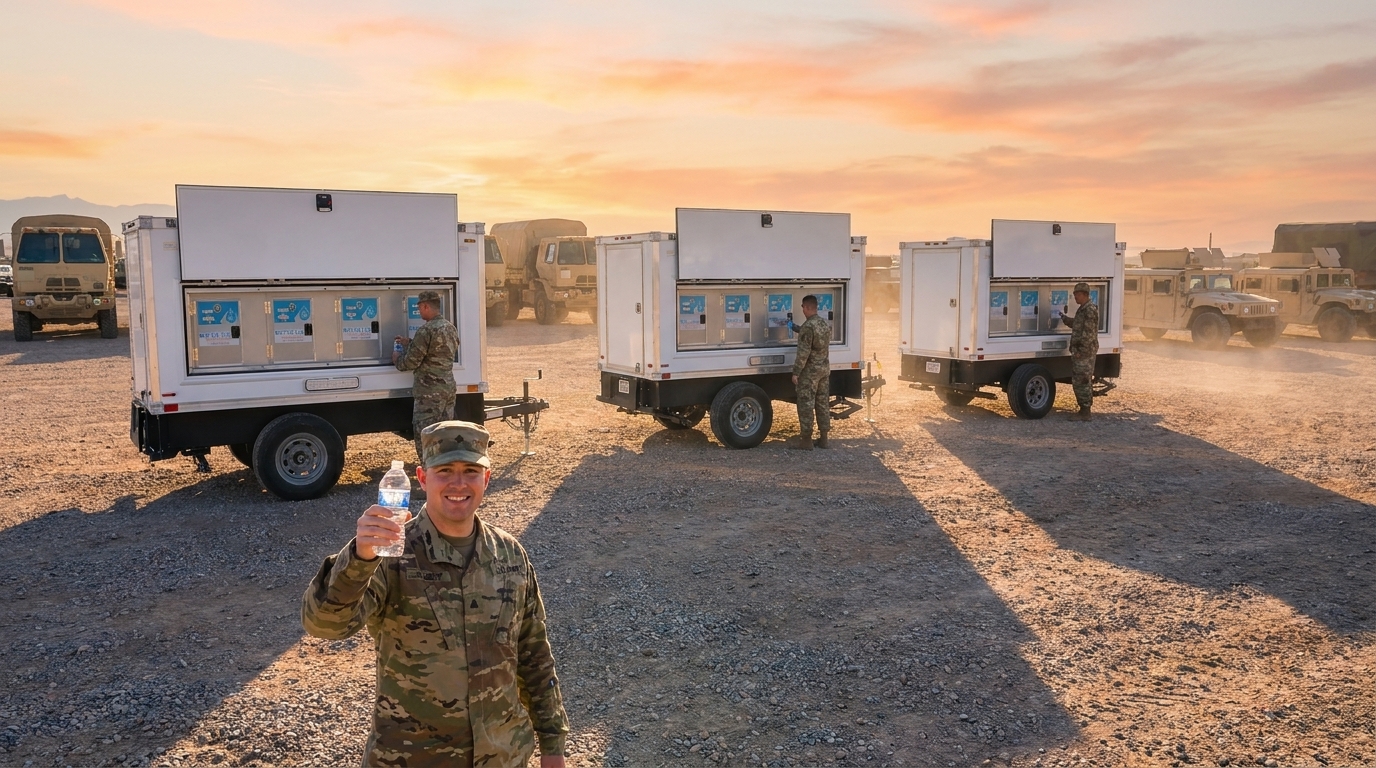
People count, number of days, where exactly it parks on your site, and what power is there. Those four answers let us spec it correctly the first time around.
Reckon roughly 45 minutes from the nearest yard once we are in your metro, longer on the outer routes, with round-the-clock emergency runs whenever a heat advisory or a power shutoff hits.
Once on site we set it level, charge the 300-gallon tank, and tie in power off one to four standard 120V circuits, or a single 50-amp 240V drop, depending on what the site gives us.
After that the tankers cycle back on a cadence matched to how fast your crew or crowd pulls it down, and we maintain the unit through the whole rental term.
No power on the parcel at all? We price that in. The unit draws very little, and with the service fleet backing it we've run stations on lots that had no permanent power whatsoever. Lay out what the site offers and the rest is on us.
Want this math run for your own booking? Two minutes on the phone gets you a real number.
One station covers most weddings. What changes that is the property and the forecast, not the head count by itself.
| Ceremony and reception in one place (up to 150 guests) | 1 station |
| Ceremony lawn and reception field a long walk apart (up to 150 guests) | 1 station moved between services, or 2 for no gap |
| Vineyard or estate wedding (150 to 250 guests) | 1 station plus a scheduled refill |
| Ranch or multi site property (250 to 400 guests) | 2 stations |
| Desert or 100 degree date (up to 150 guests) | 1 station in shade, topped off before the ceremony |
| Wedding weekend with welcome party and farewell brunch (100 to 200 guests across 3 days) | 1 station for the weekend |
| Vendor and setup crew only, load in and strike (20 to 40 crew) | 1 station staged at the service area |
Here is the arithmetic we actually use. A full tank holds three hundred gallons, about twenty four hundred sixteen ounce pours. On a hot date we plan one sixteen ounce pour per guest per hour, roughly half that under eighty degrees. A hundred and fifty guest reception running six hours is about nine hundred pours, a hundred and twelve gallons, a third of the tank with the vendor crew counted in. Four hundred guests over six hours is twenty four hundred pours, the entire tank with nothing spare, which is why a wedding that size gets two units rather than a promise.
What moves the number is rarely the guest list. It is distance, heat and format. The average American wedding now runs about a hundred and seventeen guests, down from a hundred and thirty one before 2020, and one large study puts Gen Z couples at a hundred and twenty nine, Millennials at a hundred and twelve and Gen X at ninety. A ninety guest wedding on a compact lawn and a hundred and twenty nine guest wedding spread across a ranch are not the same rental. Heat roughly doubles the pour rate.
Our honest default is one station placed well, with a refill scheduled on a hot date. That beats two stations placed badly almost every time, because the failure mode at a wedding is distance, not volume. If your count is under two fifty and the ceremony and reception sit inside a couple of hundred feet of each other, we will tell you one unit is enough even though two would be the easier sale.
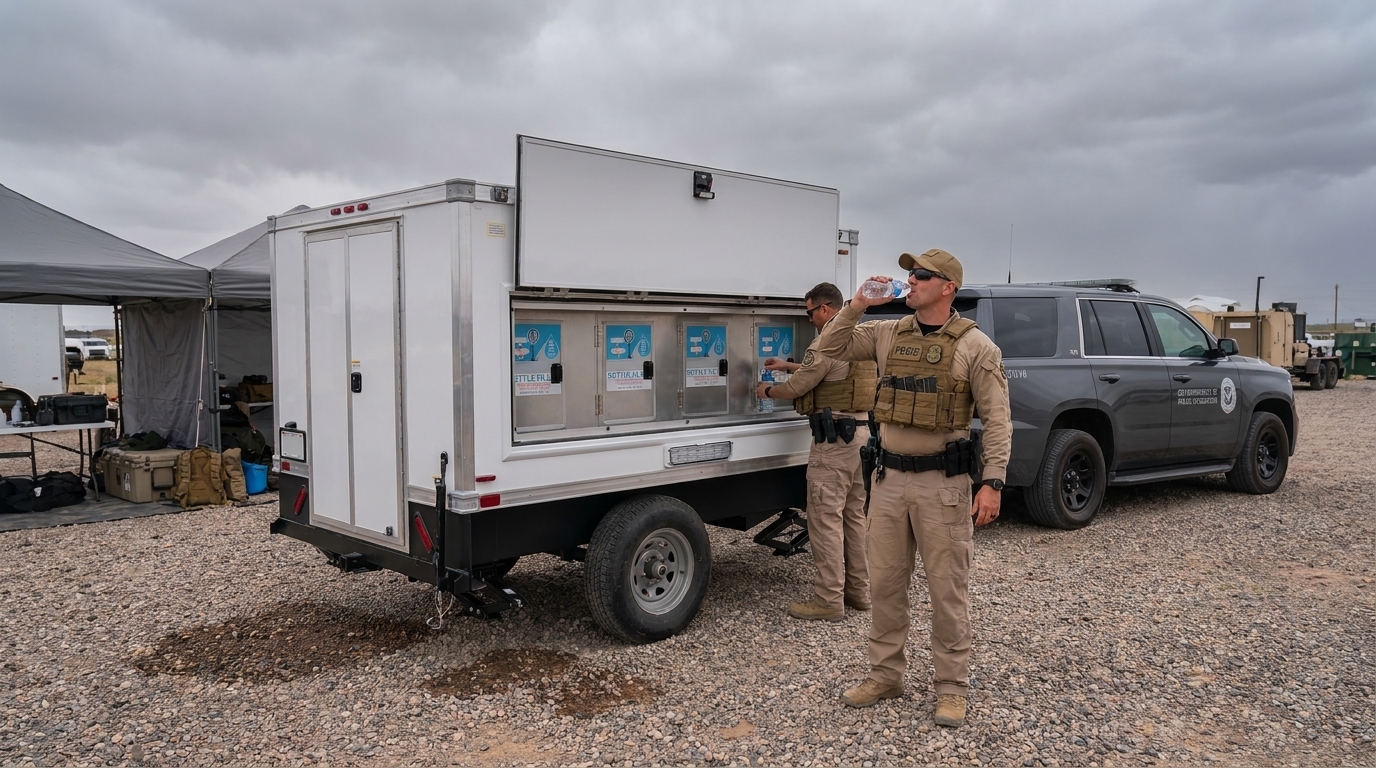
Most of the written rules attach to food service rather than to a glass of water, so they land on the caterer and on whoever is named as the event organizer. What is regulated, consistently, is where the water comes from and how it is protected once it is on the grounds. A station filling from an approved potable source already sits inside the standard the caterer has to meet anyway.
The county rules are specific enough to plan around. One large county requires registration of any special event where food is sold or given away, filed at least thirty days ahead, and the registration asks for the anticipated guest count. It also asks for the number of food vendors and the water supply details, plus the number of restrooms, which must sit at least twenty five feet from the food vendors. Another puts shared restroom, refuse, warewashing and hand-cleaning support on the event organizer rather than each vendor, which at a wedding means the planner or the couple, not the caterer.
Our answer to all of it is the equipment. The units fill from municipal supply, run three filter stages and a UV cleaning chamber between source and tap, and use food grade and stainless components the whole way to the spout. That is the description a health inspector or a cautious venue manager is asking for, and the same one we give a caterer wondering whether they can pull prep water off the rear spout, from wine country to temporary water station rentals in Flagstaff.
Accessibility is the one nobody raises until a guest cannot reach something. The 2010 ADA Standards for Accessible Design are the reference planners already use for temporary facilities, and the widely cited practice for restroom equipment at an event is five percent accessible units with a minimum of one. Federal accessibility law reaches weddings open to the public, held on public land, or hosted by a business or organization. We build to the principle rather than waiting to be asked: one of the four taps sits at ADA height, on a firm, level path a wheelchair or walker can cross.
Federal OSHA heat illness prevention guidance and the CDC and NIOSH heat stress program point at the same baseline: cool drinking water, close to the people doing the work, and documented.
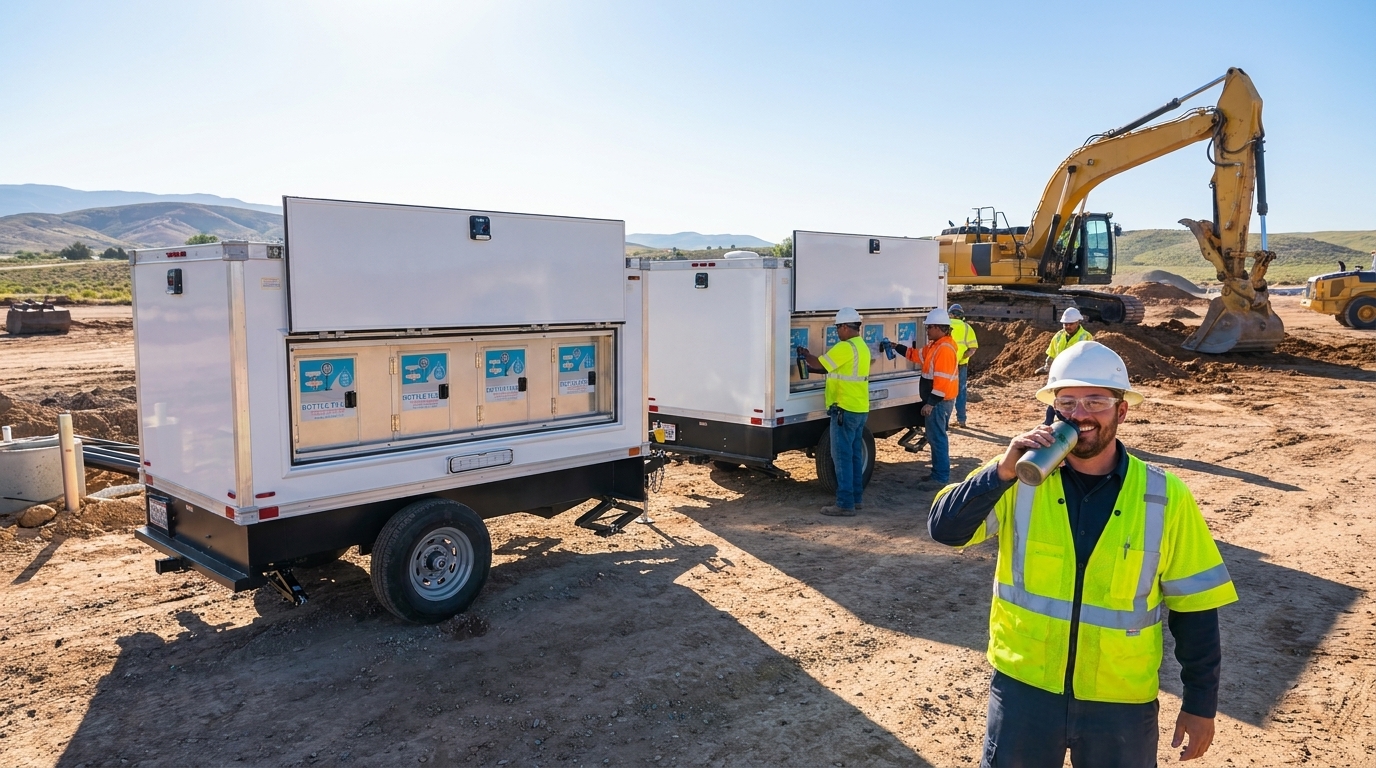
Need a station your written heat plan can point to? We can have one pouring cold within days.
Somebody is already doing this job at your wedding, usually the catering team. Caterers vary widely in whether water service is even included, so plenty of couples end up sourcing pitchers and coolers themselves. Where the caterer handles it, the three methods are always the same: servers walking the room filling glasses back up from pitchers, bottles set in metal basins packed with ice, or a self serve cooler. Each is labor. A walking refill ties up a server for the length of dinner. A cooler still has to be packed, iced, carried in and hauled back out by the same crew plating your dinner, on every booking we take, from wine country to wedding water station rentals in Austin.
Then there is volume. A hundred and seventeen guest wedding running six hours in warm weather is roughly seven hundred bottles, about thirty cases to buy, chill, transport, carry across a field and clear at strike. Thirty cases is a car load and a corner of the prep area for the whole day. And bottles do not get finished. Guests set one down, lose track of it, and open a fresh one.
The waste side has gotten loud enough that couples raise it before we do. There are roughly two point three million weddings a year in this country, and one widely cited estimate puts a single average wedding at up to four hundred pounds of garbage. Zero waste wedding guides name a water or refill station as a standing line item, and more than sixty percent of Gen Z couples say sustainability factors into which venue they book. There is a warning story too, the outdoor wedding on a humid ninety five degree afternoon where no free drinks were served and guests were told water at the bar was cash only.
Look at everything bottled water actually demands of a person: cutting the order, receiving and breaking down pallets, icing coolers before dawn, topping them up through the day, then flattening empty bottles for the bin. On a large crew that's hours of paid time burned every single day, scraped right off the work that's supposed to be getting done. The trailer erases that loop entirely. A local contractor once let us pencil it out with him, and the recovered labor by itself paid for the unit. His words were that the bottle runs had been quietly costing him close to a day of payroll a week. Our trailer arrives full, the tankers keep it full, and your superintendent owes it nothing but a parking spot.
Ice a cooler at 6 a.m. and by mid-morning in July it's as warm as a bath. Warm water is water people stop touching, and the slowdown that follows is precisely where heat illness gets its opening. A chilled station never rides that warm-up curve at all. Whatever pours at clock-out is as cold as the sunrise fill, which happens to be the moment a spent crew, or a crowd deep into a long concert, leans on it hardest.
Bottled-water pallets devour staging space, jam the lay-down area, and sit cooking in the sun until somebody finally cracks them open. Empties build up faster than anyone keeps up with, and on a tight commercial lot that pile turns into its own problem. Set a trailer in one parking stall instead and it serves a crew or crowd that would otherwise burn through hundreds of plastic bottles every day.
Every bottle bought is a bottle thrown out, and across a season a busy site or event generates a small mountain of them. That's a disposal line on the budget, a dent in the sustainability numbers, and, given that a single bottle can linger in the ground for centuries, a footprint that lasts longer than the project that made it. Move to a refill station and the line drops to zero, which finally gives your reporting a figure worth publishing.
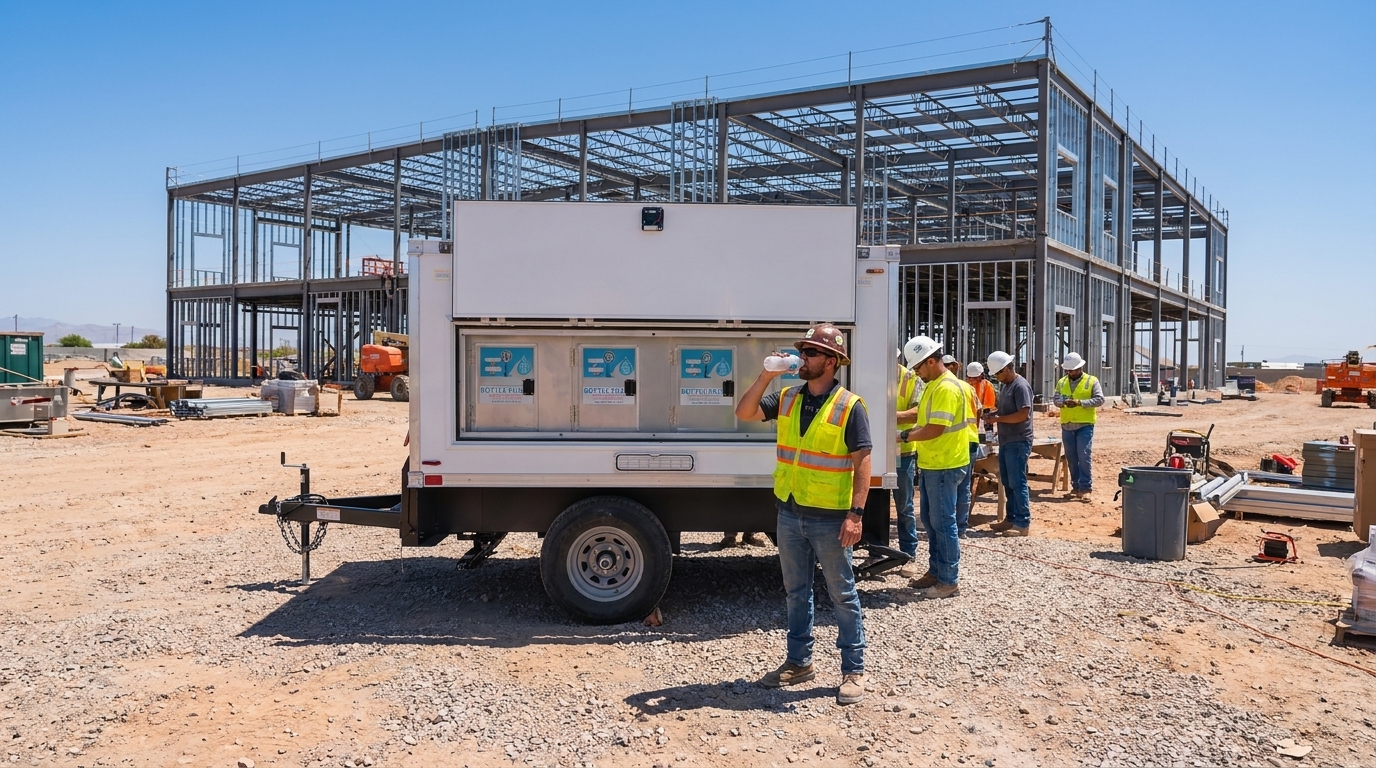
Three bookings of this kind, and what we planned around on each one. Names and details are kept generic on purpose.
Working vineyard, 165 guests, first Saturday in August. The ceremony sat on a lawn at the top of the block and the reception tent went up in the field below, about a hundred and thirty yards apart, with the only tap at the tasting room in the opposite direction. We delivered the day before and set the unit behind the catering tent where it served both. The planner started water service forty minutes before the ceremony rather than at cocktail hour. It hit ninety eight that afternoon and the tank came down about a third by the end of dinner.
Barn on a working farm, 120 guests, no tap past the parking field. A dry hire barn, meaning the couple got the building and nothing else. Power came off a generator the band and the caterer were already splitting, and the nearest water was a frost free outdoor faucet at the farmhouse, four hundred feet up a gravel track. We ran the station on the generator's spare twenty amp circuit and parked it at the corner of the barn where both the ceremony field and the barn door saw it. The catering lead pulled prep water and dispenser refills off the rear jug spout, which took her ice basin setup out of the plan.
Mountain ranch weekend, 240 guests across three days. Welcome party Friday, wedding Saturday afternoon, farewell brunch Sunday, across a ranch where the ceremony meadow, the lodge and the guest cabins each sat a quarter mile apart. Two units for the weekend, both delivered Thursday so the rental and tent crews had clear lanes Friday. Elevation meant strong sun Saturday even though the air never broke the mid eighties, and the meadow unit moved far more water than the lodge unit.
Service information current as of September 2026.
Still weighing it? Call and ask. Most of these questions get settled in one short conversation.
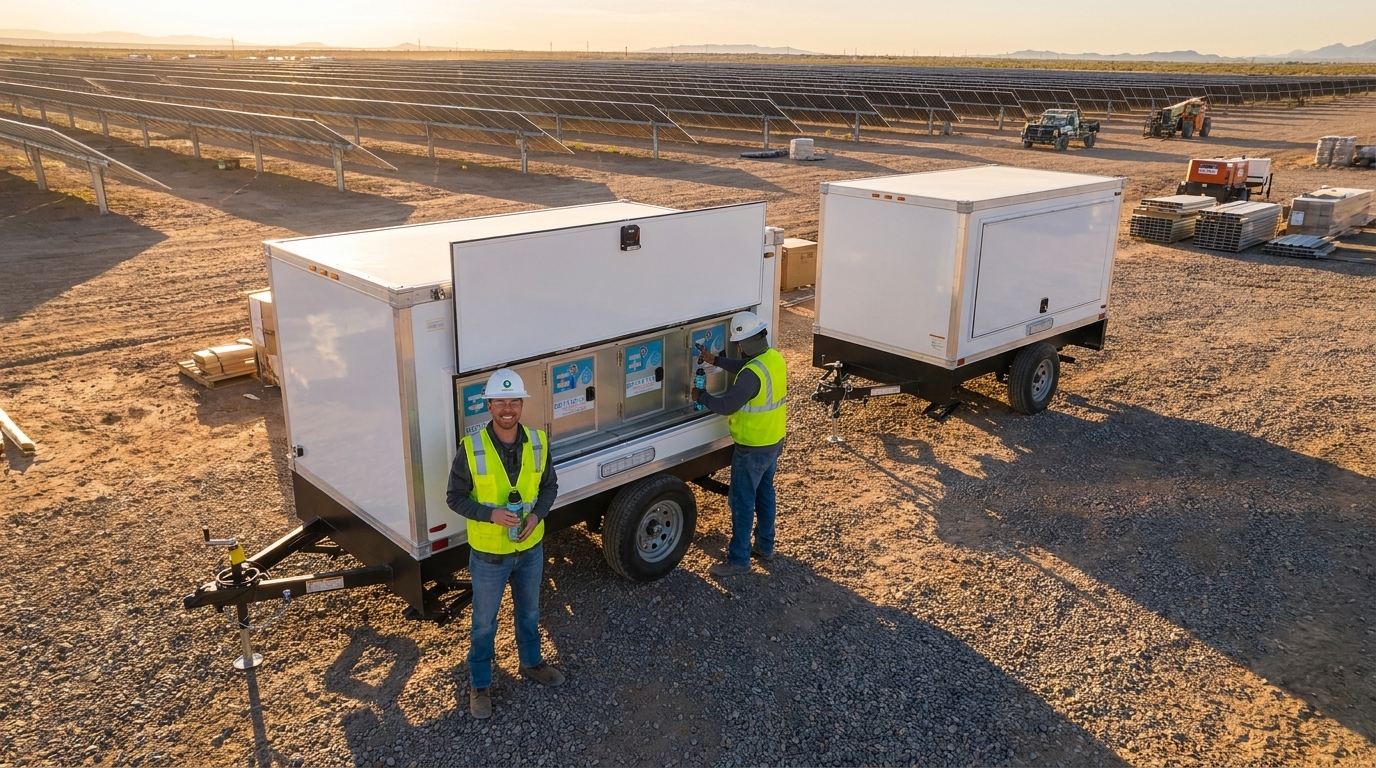
If the ceremony is outdoors and the nearest tap is more than a short walk from where guests stand, yes. Planning guidance treats heat at an outdoor wedding as a health and safety category, not a comfort one, and flags a large seated crowd in direct sun followed by a poorly cooled reception as a real risk of heat exhaustion. The guests who feel it first are the older ones, the small children and anyone pregnant.
Near the ceremony entrance, the dining area, or simply wherever guests arrive, so nobody walks far. Venue guidance recommends water at three separate points across the day, at arrival, before the ceremony and again at cocktail hour, and one well placed station covers all three when the ceremony and reception sit close together.
The taps pour chilled filtered water by design, because the filtration and UV stack is built for water. Most weddings use the station as the source and keep the pretty service on a table in front of it. Your caterer fills glass dispensers of infused water, lemonade or iced tea off the rear jug spout in about a minute each.
One unit covers most weddings up to about two hundred and fifty guests when the ceremony and reception are close together. A full tank is three hundred gallons, roughly twenty four hundred sixteen ounce pours, and we plan one pour per guest per hour on a hot day. Above two fifty, or where guests spread across sites a quarter mile apart, we usually recommend two.
No. The unit arrives with its own three hundred gallon tank charged, so there is nothing to tie into on the water side. That is why it works at barns, vineyards, ranch properties and private estates where the only tap is a few hundred feet off at a farmhouse or tasting room. For a weekend rental or a large count we schedule a refill instead.
The unit runs on one to four dedicated twenty amp one hundred twenty volt circuits, or a single fifty amp two hundred forty volt circuit. A generator works fine as long as the circuit is genuinely dedicated and not already carrying the band and the catering equipment. Tell us what the property has, or that it has nothing at all, and we plan for it.
Couples book a venue an average of nine to eighteen months out depending on the market, and peak season Saturdays in competitive metros run further. Availability gets tighter as the date approaches, especially in October, September and June, the busiest wedding months nationally. Off peak months from November through April stay open on short notice.
One of the four bottle fill taps is set at ADA height as standard equipment, not an add on, so a single unit serves every guest at the wedding. The other half of accessibility is the ground, which is placement rather than trailer. We set the unit on a firm, level path a wheelchair or walker can cross.
It changes two things. We schedule the refill before the ceremony rather than between courses, because a tank topped in the early afternoon carries the rest of the day. And we place the unit in shade wherever a shaded spot exists. Beyond the equipment, the standard advice for extreme heat is to shorten the ceremony and start water service before guests are seated.
The mistake is treating drinking water as a day of item. It is a load in item, and the load in order is set weeks earlier. Tents and rentals go first on almost every outdoor property, and once a tent goes up the lane to the reception field is closed to anything on a hitch. So the station lands before the tent crew, or the day before entirely.
The second thing to fix early is who owns the station on the day. At most weddings the honest answer is nobody, which works fine because there is nothing to run, but somebody still needs to know it exists. We walk the coordinator and the catering lead through it before we pull out, which takes about four minutes.
Third, put it on the layout diagram rather than in a note. Planners already diagram paths, entrances, food stations and the dance floor, and the station belongs on that drawing with a footprint of about one parking stall. Drawing it makes two easy to miss questions obvious: whether guests cross a service path to reach it, and whether it sits in the ceremony photographs.
There is a usable threshold in the planning literature, and it is lower than most couples expect. Heat illness risk climbs sharply above eighty five degrees once humidity passes sixty percent, and a common framework moves a ceremony indoors at ninety degrees in humid conditions or ninety five in dry heat, dropping to the eighty five line whenever elderly guests, young children or pregnant guests are attending.
The professional posture has shifted. An outdoor ceremony during a heat wave now needs the same contingency thinking planners always applied to rain, because heat builds slowly and is less visible than a cloud line. A guest quietly in trouble looks like someone sitting down. Headache, dizziness, heavy sweating and damp skin are the signs guides tell hosts to watch for.
The practical levers are cheap. Shorten the ceremony to fifteen or twenty minutes once conditions turn extreme. Move the start into late afternoon or early evening. Build shade over the seating. Misting fans and evaporative coolers can pull air temperature down by as much as fifteen degrees, and portable cooling can drop the air under a tent by up to twenty degrees in under half an hour.
Ask what the property supplies in writing, because dry hire is more common than couples realize. A dry hire venue sells the space and nothing else, so tables, chairs, bar setup, catering staff, lighting, sound, restrooms and generators all come from vendors hired directly. Barn and estate properties sit in this category constantly without using the term.
Ask where the water is, then ask how far that is from where guests will stand. Only the second question predicts the day. A tasting room tap is real water and it is also a hundred yards from the ceremony lawn. Ask about hot water for the caterer too, because a standard residential heater recovers only about forty gallons an hour.
Ask for the caterer's kitchen plan in writing before signing the venue contract. Many wineries and barns have no full commercial kitchen, so the caterer brings a mobile kitchen, convection ovens, hot boxes and their own sanitation stations, and every one carries a power number. That plan keeps the generator from being too small because two vendors each assumed they had it.
→
Company picnics, client days and multi day conferences on grounds with no fixed tap.
→
Midway crowds and livestock grounds where the walk to water decides whether people drink.
→
Start pens, aid stations and finish festivals that need volume in short windows.
→
Festivals, homecomings and parish picnics on lawns and lots without a drinking fountain.
→
The refill station itself, for any venue getting single use bottles off the grounds.
We run water station rentals nationwide, and we keep dedicated local pages for the metros our trucks work hardest. Start with the closest one.
Booking this kind of work in a metro we already run? Start with mobile water stations serving Santa Maria, Pleasanton hydration station rentals, Portland hydration station rentals, Park City hydration station rentals, Flagstaff drinking water station rentals and water station delivery around Austin, and call us for anywhere else in the country.
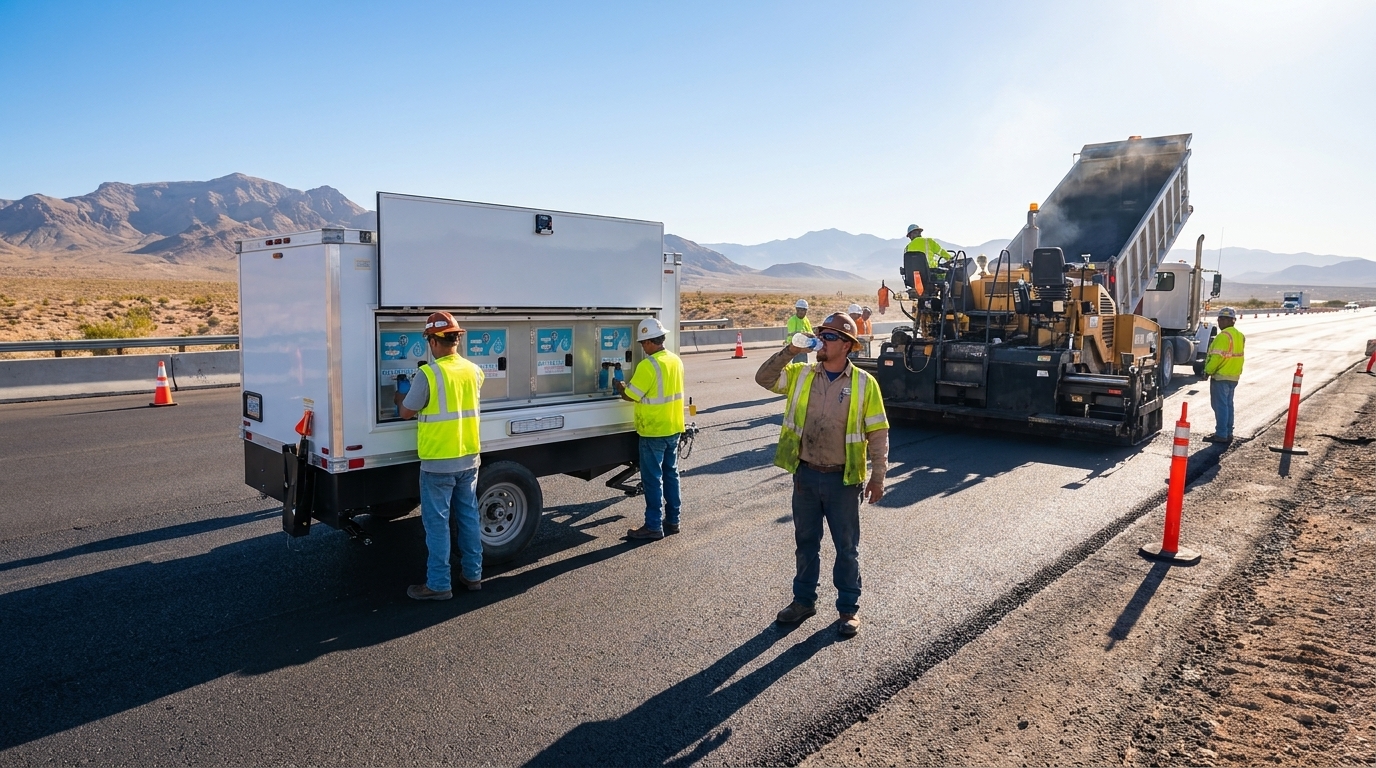 Central Coast wine country
→
Vineyard and ranch weddings up the valley, most of them a long walk from a tap.
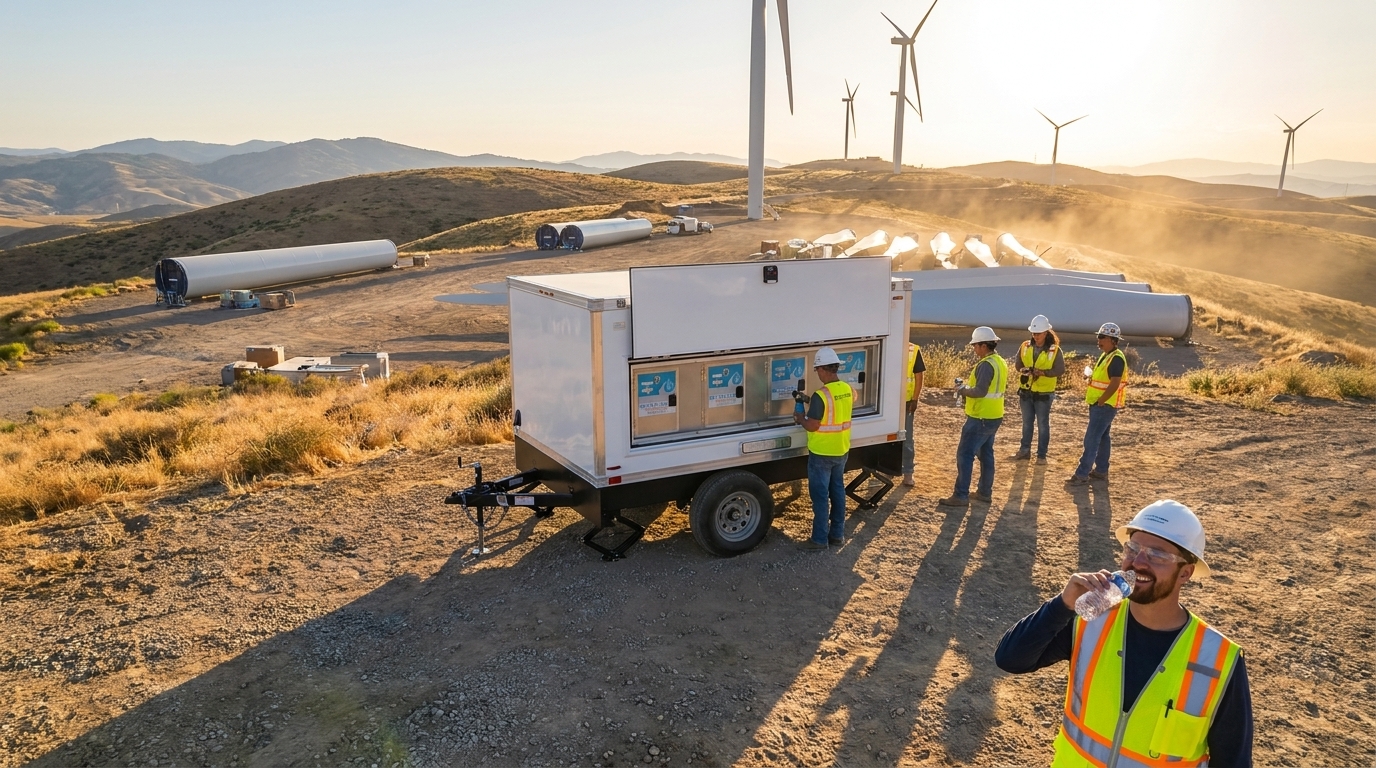 East Bay wine country
→
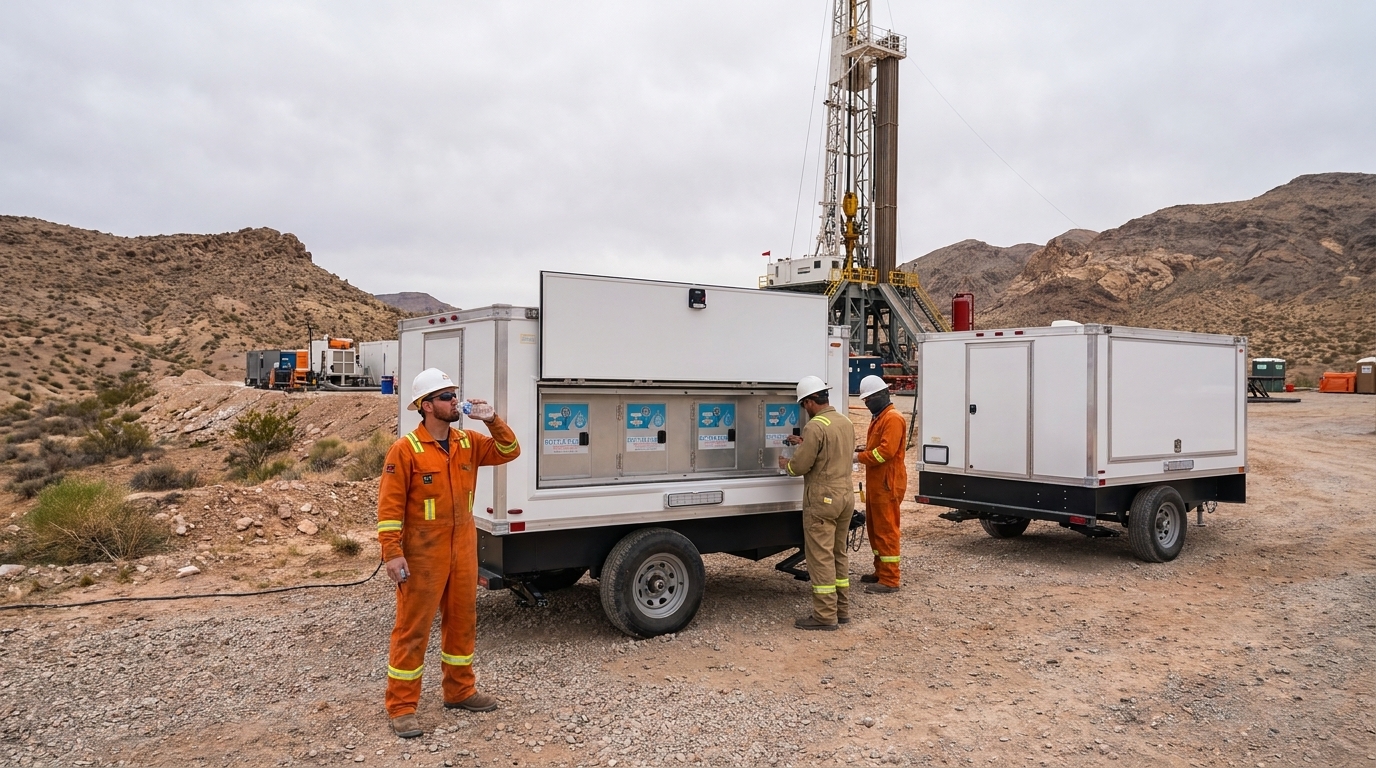
Winery lawns and estate receptions with hot inland afternoons all summer.
 Willamette Valley
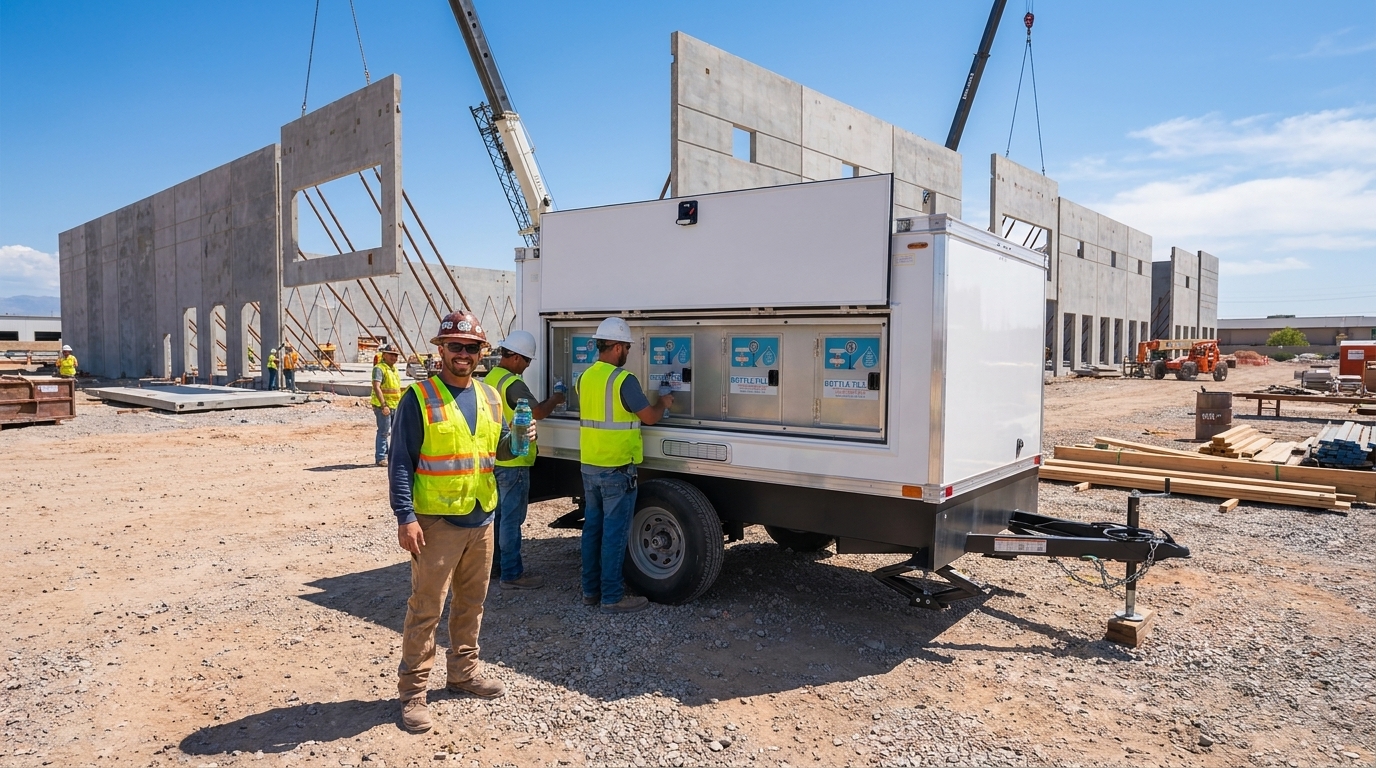
→
Vineyard, barn and farm venues built around wine production, not event capacity.
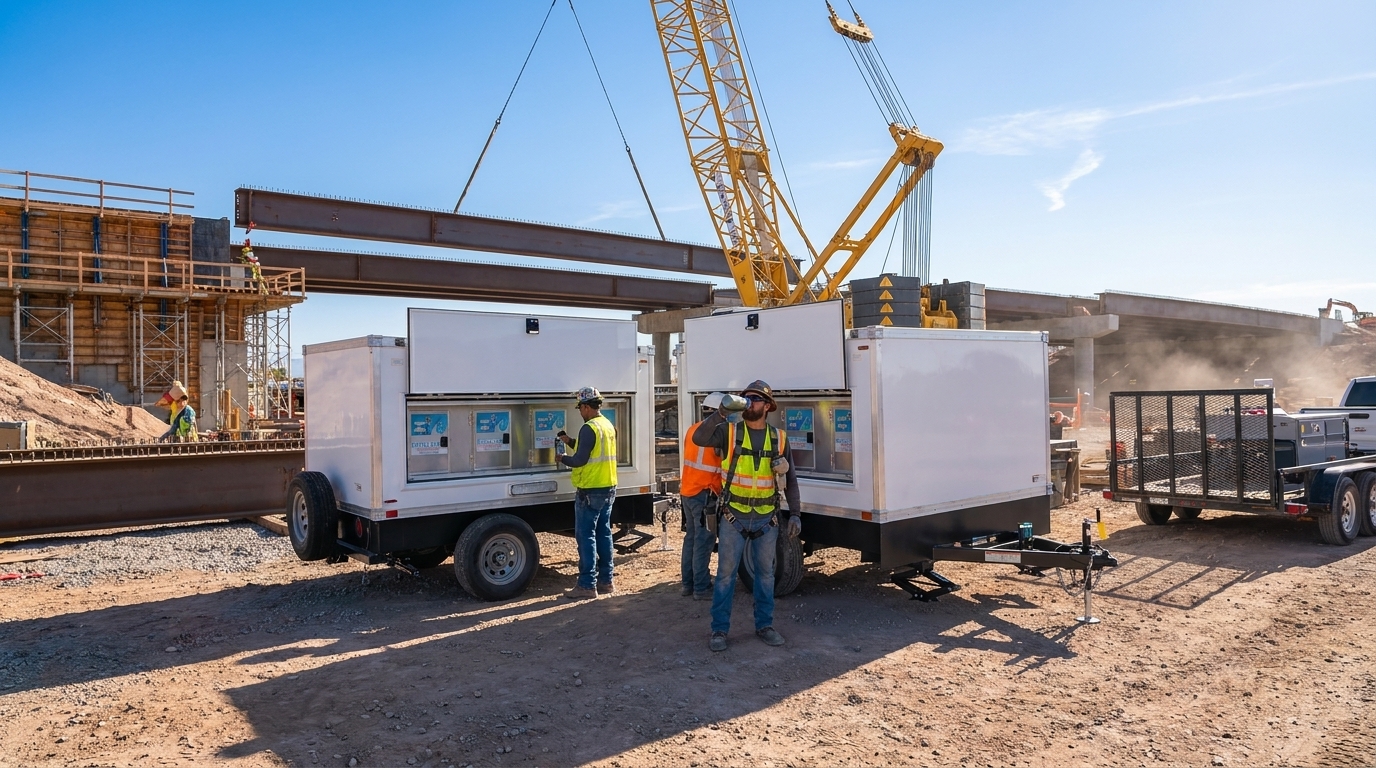
 Mountain West
→
Mountain ranch and resort weddings at elevation, where remote is the selling point.
 High country Arizona
→
Pine country ceremony sites, a short drive above the desert corridor.
 Hill Country
→
Hill Country ranch and barn venues running hot dates May through October.
Give us the head count or the guest count, the date, and the spot it will park. We will spec the right setup, confirm the delivery window, and have cold filtered water pouring before the day starts.